What is cold chain logistics and how can you optimize it?
Maintaining a stable temperature of 0-4°C inside a truck is a constant challenge. In summer, temperatures in Spain can reach 45°C, while in winter they can drop to −18°C in Ukraine. Under such extreme conditions, every stage of the cold chain matters. So, what is cold chain logistics? Let’s look at where it most often breaks down and how it can be optimized.
What is the cold chain and which products need it?
Cold chain logistics is the process of keeping products within a specified temperature range throughout the entire transportation journey. However, there is no single regulatory document governing all cold chain requirements. These are established by EU legislation, national regulations, product technical specifications, and GDP (Good Distribution Practice) guidelines.
Compliance with these requirements is a daily necessity in the agri-food and pharmaceutical industries, where temperature controlled logistics plays a critical role. The table below provides examples of the temperature ranges that must be maintained depending on the type of product and the applicable regulatory requirements:
| Product | Required Transport Temperature | Main Regulation or Reference |
|---|---|---|
| Quick-frozen foods | ≤ −18 °C (temperature fluctuations of up to +3 °C during transport) | Royal Decree 1109/1991 |
| Ice cream | ≈ −20 °C | ATP Agreement |
| Poultry and rabbit meat | ≤ 4 °C | Regulation (EC) No 853/2004 |
| Minced meat | ≤ 2 °C | Regulation (EC) No 853/2004 |
| Fresh fish | Around 0 °C | Regulation (EC) No 853/2004 |
| Fruits and vegetables | Leafy greens and berries: 0–4 °C; tropical fruits: 10–14 °C | Technical Recommendations |
| Refrigerated medicines and vaccines | 2–8 °C | EU Good Distribution Practice (GDP) Guidelines |
| Frozen medicines | Between −25 °C and −15 °C | Manufacturer’s Product Specifications |
How is temperature maintained at each logistics stage?
The cold chain extends far beyond the truck itself. In general, it consists of five stages: loading, transportation, unloading, storage (if required), and delivery. Each stage has its own procedures, requirements, and equipment. A failure at any one of these stages can compromise the integrity of the entire chain.
Refrigerated and temperature-controlled transport
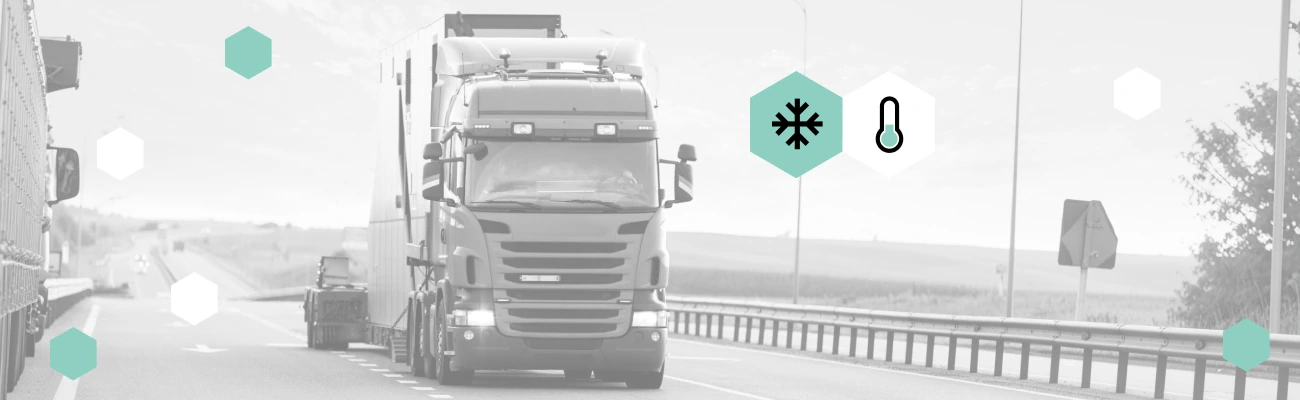
At the transportation stage, it is important to select the right vehicle according to the type of product. For refrigerated transport, we recommend using insulated trucks, vehicles equipped with cold accumulators, or refrigerated trucks.
| Product Type | Vehicle |
|---|---|
| Meat and poultry | Refrigerated semi-trailer with rails or hooks for hanging meat |
| Fresh fish | Refrigerated truck with a watertight floor and drainage system, or an insulated container with ice |
| Medicines and vaccines | Refrigerated van with validated equipment |
SYNEX’s key requirements for temperature controlled transport include cleaning, disinfecting, and pre-cooling vehicles before loading. In addition, every vehicle undergoes a mandatory inspection in accordance with the ATP Agreement. The first technical inspection is carried out after six years, with subsequent inspections taking place every three years.
Refrigerated warehousing and temperature-controlled storage
Cold storage warehousing as part of the cold chain logistics process takes place in separate chambers divided according to temperature ranges. To prevent unexpected situations, the facilities are equipped with backup power supplies and continuous cold chain monitoring systems. Temperature sensors are generally calibrated once a year, with each calibration documented. Cargo is positioned to ensure proper air circulation, while inventory is managed according to FIFO or FEFO principles, depending on the type of product.
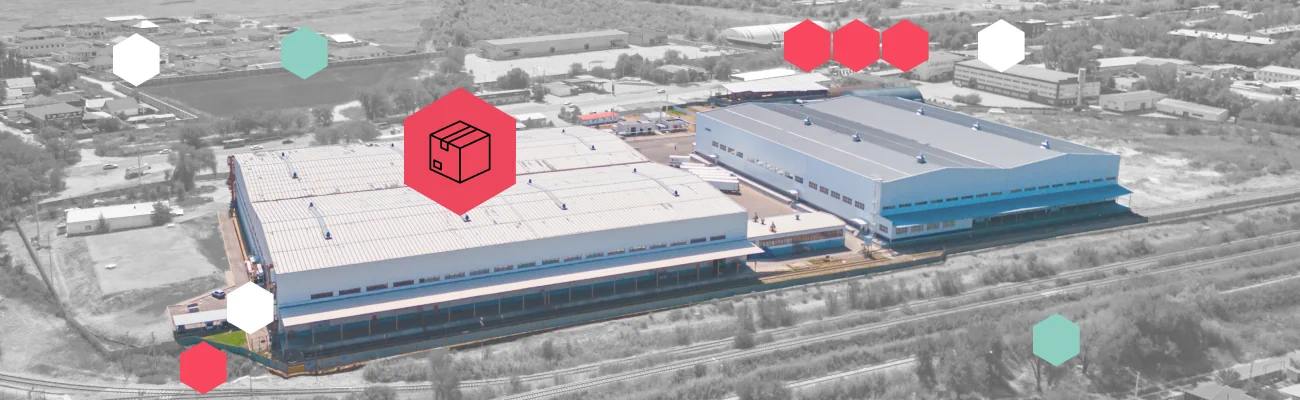
At SYNEX, we offer temperature controlled storage at our refrigerated warehousing facilities in Astana, with a temperature range from −21°C to +13°C. The warehouse is equipped with 24/7 video surveillance, restricted-access areas, dust-resistant flooring, a fire protection system, and modern loading docks. In addition, every client is assigned a dedicated account manager.
Loading, unloading and delivery
This is the highest-risk stage because the products leave the controlled environment. Therefore, it is important to follow these rules:
- Load products only when they have already reached their optimal temperature.
- Use refrigerated loading docks with airtight seals or curtains during unloading.
- Schedule delivery operations in advance.
- Check product temperatures and transportation temperature records.
- Inspect packaging and seals to identify deviations and possible breaches of temperature requirements.
During delivery, cargo traceability must be ensured by keeping consignment notes, temperature monitoring records, and information about who handed over and received the products. Last-mile delivery is the most high-risk stage. We recommend minimizing delivery times as much as possible, since every time the doors are opened, cold air escapes.
What causes a break in the cold chain?
Often, the cause is not a major breakdown but a minor oversight. For example, a pallet left in the sun on a loading dock for 15 minutes. Or a truck parked during a long stop with its refrigeration unit switched off to save fuel. These issues are compounded by the usual unexpected events: equipment breakdowns, accidents, and customs clearance delays. All of these can lead to temperature deviations, compromise the cold chain, and put cargo quality at risk.
How can you optimize the cold chain?
Cold chain optimization begins long before transportation starts. Every decision matters, from selecting the route to responding to an alarm. Let’s look at what can be improved at each stage.
Route planning and waiting times
Planning cold chain logistics starts with three questions: where is the cargo departing from, where is it going, and when does it need to arrive? Transporting perishable goods from Madrid to Berlin involves covering approximately 2,300 km, which takes 2 to 3 days. To optimize the process, two drivers can be assigned to work in shifts, allowing the truck to make very few stops. This can reduce the transit time to approximately 36 hours.
It is also important to agree on several alternative routes in advance. For example, on April 21, 2026, a truck accident blocked the AP-7 motorway near Santa Oliva for more than 7 hours. A logistics operator with alternative routes already planned, such as the C-32 or N-340, can reroute the vehicle in time. This helps meet delivery deadlines and prevents products from remaining outside the required temperature range for extended periods.
Equipment, packaging and airflow
The vehicle’s refrigeration unit must maintain the required temperature even when the cargo compartment is fully loaded. It must be checked before every trip. Air from the refrigeration unit circulates along the ceiling, flows down the walls, and returns along the floor. Therefore, air ducts must remain unobstructed, and the cargo must not block the air outlets. This is an essential requirement for effective cold chain management.
Primary and secondary packaging are provided by the manufacturer or consignor. Responsibility for transport packaging, including pallets, stretch wrap, insulated containers, and refrigerant packs, lies with the consignor or logistics operator, depending on the agreement. Cargo must be positioned so that it does not touch the floor, with sufficient space between individual items to ensure uniform circulation of cold air. Unpackaged food products must be kept separate from packaged goods. For small shipments and last-mile deliveries, we recommend using insulated packaging with refrigerant packs.
Monitoring and incident response
According to regulatory requirements, temperature data loggers must be used for deep-frozen and perishable food products. As with pharmaceutical products, GDP guidelines require temperature monitoring and the retention of relevant records. Telemetry systems must transmit data to cloud storage and send alerts whenever readings deviate from established parameters, including temperature excursions. In case of an alarm, a predefined protocol must be followed: notify the driver and the client, check the refrigeration unit, and decide whether to place the shipment on hold.
Which metrics help evaluate improvements?
To assess the effectiveness of measures aimed at maintaining the cold chain, relevant performance indicators must be tracked using factual data. The most useful metrics include:
- Percentage of shipments delivered within the specified temperature range.
- Number and duration of temperature deviations.
- On-time delivery performance.
- Response time to incidents.
- Quantity of goods rejected or returned due to temperature-related issues.
This data can be obtained from the logistics operator, who records it during each shipment. Request regular reports to monitor performance and identify potential issues in a timely manner.
What should you agree with your logistics provider?
For temperature controlled transport services, it is advisable to set out the route, procedures to follow in case of a cold chain breach or equipment failure, monitoring arrangements, service costs, and delivery timelines in writing. It is also important to clearly define who is responsible for each incident and how such situations must be documented.
How SYNEX Logistics supports logistics for temperature-sensitive products
At SYNEX, we have developed our own cold chain management algorithms for temperature controlled logistics. We use only specialized vehicles that undergo regular inspections. We select the optimal route, taking into account delivery time and cost.
Valeriy Kozlov, CEO of SYNEX LOGISTICS Europe, comments:
“One of our most significant projects involved transporting almost 5 tonnes of controlled pharmaceutical products to Ukraine, including tramadol, morphine, and diazepam. All of these products require controlled ambient temperature conditions. The cargo was transported by direct air freight from India to Poland and then by road to Ukraine, escorted by the Polish police and the police of the Lviv region. SYNEX handled all the documentation, including obtaining permits for the transportation of controlled substances, and coordinated cooperation with customs authorities and law enforcement agencies. The cargo was delivered safely and on time.”
Conclusion
Refrigerated transport involves many specific requirements: vehicle maintenance, regulatory compliance, and continuous temperature monitoring. Many companies explain what the cold chain is, but do not always pay sufficient attention to its proper organization and optimization. SYNEX Logistics has more than 16 years of experience, its own warehousing facilities, and qualified personnel. This enables us to take care of all complex logistics processes. Clients can track the condition and location of their cargo without having to worry about customs clearance, documentation, or regulatory compliance. Do you have a temperature-sensitive shipment? Contact us, and we will plan its transportation together.