The Role of IoT in Modern Transportation and Business Logistics
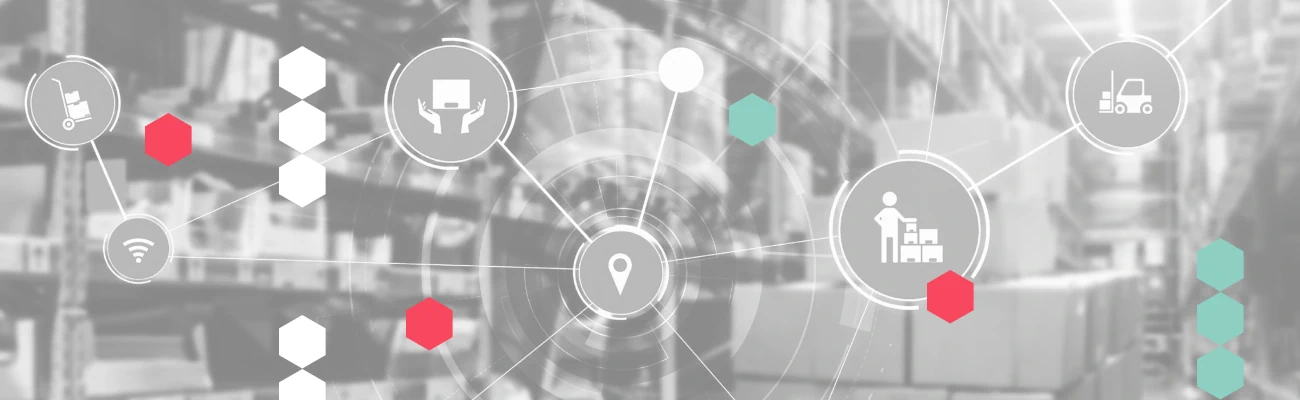
Every day, millions of shipments cross borders, switch transport modes, and pass through dozens of hands before reaching their destination. A single blind spot — an unmonitored temperature spike, a delayed container, a missed maintenance window — can cost a business thousands. This is exactly where IoT in transportation and logistics steps in: connected devices that see, measure, and report what humans physically cannot.
In this article, we break down what IoT is, how it works inside transportation and supply chain operations, which devices and systems matter most, and what real-world results companies are already getting.
What Is IoT and It’s Place in Logistics
IoT — the Internet of Things — is a network of physical objects embedded with sensors, software, and connectivity modules that collect and exchange data without manual intervention. In simple terms: devices talk to each other and to cloud platforms, generating a continuous stream of real-time information.
So, what constitutes IoT in a logistics context? Any physical asset that can report its own status. A GPS tracker on a truck. A temperature sensor inside a reefer container. An RFID tag on a pallet. A telematics unit reading engine diagnostics. A humidity monitor inside a warehouse. The moment these objects connect to an IoT network and feed data into a centralized system, they become part of the IoT ecosystem.
IoT technology in logistics rests on a layered structure known as IoT architecture:
- Device layer — sensors, trackers, RFID tags, and smart containers that capture raw data (location, temperature, humidity, weight, motion).
- Connectivity layer — communication protocols (cellular, LPWAN, NB-IoT, 5G, Wi-Fi, Bluetooth) that transmit data from devices to processing systems.
- Platform layer — cloud-based platforms that aggregate, store, and process incoming data streams from across the supply chain.
- Application layer — dashboards, analytics engines, and decision-support tools that logistics teams use daily for route planning, maintenance scheduling, and cargo monitoring.
This architecture allows a single logistics provider to monitor thousands of shipments, vehicles, and warehouse zones simultaneously — something that was physically impossible just a decade ago.
IoT Applications in Logistics: 7 Use Cases That Deliver Results
The application of IoT in logistics goes far beyond attaching a tracker to a truck. Modern IoT applications in logistics cover the full supply chain — from the warehouse floor to the last-mile doorstep. Here are the seven most impactful use cases.
1. Real-Time Shipment Tracking and Visibility
This is the most recognized use of IoT in logistics. GPS trackers, BLE beacons, and cellular-connected devices provide continuous location updates for containers, trailers, and individual packages. Dispatchers and customers alike can see exactly where a shipment is at any given moment.
2. Cold Chain and Condition Monitoring
For pharmaceuticals, perishable food, chemicals, and electronics, transport conditions are as important as the delivery itself. IoT devices equipped with temperature, humidity, vibration, and light sensors continuously monitor cargo environment and trigger instant alerts when conditions deviate from acceptable ranges.
This goes directly to IoT and security of goods — not cybersecurity in this case, but physical security of product quality. A temperature spike of just 2°C in a pharmaceutical shipment can render an entire batch worthless. IoT eliminates the blind spot between loading dock and destination.
3. Fleet Management and Predictive Maintenance
Telematics systems installed on vehicles collect data on engine health, fuel consumption, tire pressure, braking patterns, and driver behavior. This data feeds into fleet management platforms that optimize routing, flag unsafe driving, and — most importantly — predict mechanical failures before they happen.
Predictive maintenance alone can reduce vehicle downtime by up to 25% and extend fleet lifespan significantly. Instead of waiting for a breakdown on the highway, logistics companies schedule repairs based on real wear data. This is industrial IoT at its most practical: machines reporting their own health so that operations never stop unexpectedly.
4. Warehouse Automation and Inventory Management
Inside warehouses, IoT services power automated inventory tracking through RFID tags, smart shelving, and connected weighing systems. Stock levels update in real time, replenishment triggers automatically, and picking accuracy improves because workers receive data-driven instructions rather than relying on visual checks.
Amazon operates over 750,000 IoT-connected robots across its logistics centers — each equipped with sensors, cameras, and navigation systems. This level of warehouse IoT integration with WMS (Warehouse Management Systems) reduces human error, speeds up order fulfillment, and cuts labor costs simultaneously.
5. Route Optimization and Fuel Management
By combining real-time traffic data, GPS positioning, weather forecasts, and historical delivery patterns, IoT solutions calculate the fastest, cheapest, most fuel-efficient routes. Fuel level sensors additionally detect leaks and unauthorized fuel usage, giving fleet managers full transparency over one of their biggest cost centers.
The benefits of IoT in logistics here are directly measurable: companies using IoT-based fleet management report 10–15% reductions in fuel consumption and significant cuts in CO₂ emissions — a factor increasingly relevant for ESG reporting and regulatory compliance.
6. Smart Containers and Cargo Security
Modern smart containers go far beyond GPS. They detect unauthorized opening, measure fill levels, track shock and tilt events, and monitor internal climate — all transmitted to cloud dashboards in real time. Any anomaly triggers an immediate alert to the operations team.
7. Regulatory Compliance and Documentation
IoT technology automates data logging for customs clearance, temperature compliance records, driver hours, and vehicle inspection histories. Instead of manual paperwork that’s prone to errors and delays, IoT creates a digital audit trail with precise timestamps. For international freight — where documentation requirements differ by country — this automation is not a convenience but a competitive necessity.
The impact of IoT on logistics industry
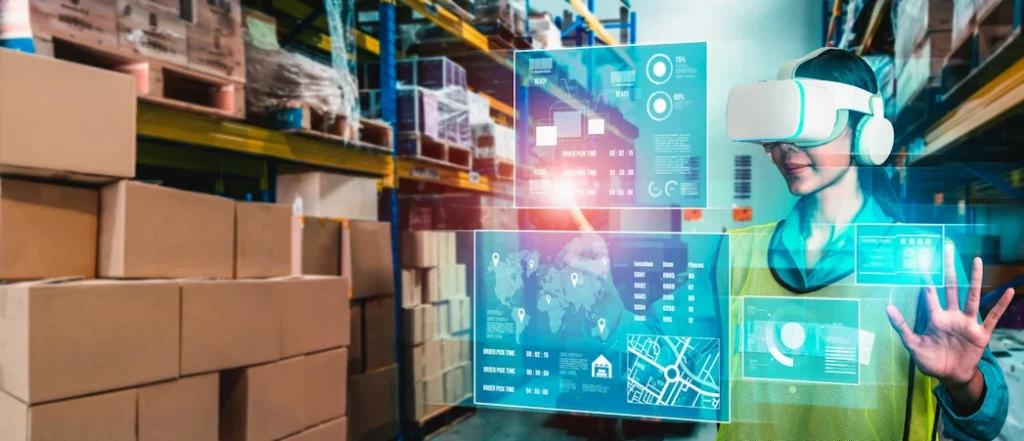
The importance of IoT in transportation and logistics extends beyond individual use cases. When these applications work together within a single operation, the cumulative impact reshapes how entire supply chains function.
IoT in transport and logistics creates a feedback loop: real-time data improves decisions, better decisions reduce waste, reduced waste lowers costs, and lower costs free up capital for further technology investments. This is why the industry IoT in supply chain and logistics spending continues to accelerate year after year.
The core benefits of IoT in logistics across the industry include:
- Cost reduction. Route optimization, predictive maintenance, fuel monitoring, and automated inventory management each independently save money.
- Operational speed. Automated data collection eliminates manual checkpoints. Real-time visibility means faster response to disruptions.
- Supply chain resilience. The IoT in logistics and supply chain connection gives companies the ability to detect disruptions early — a delayed vessel, a customs bottleneck, a weather event — and reroute or reschedule before the problem cascades.
- Customer satisfaction. Accurate ETAs, live tracking links, proactive delay notifications — all powered by IoT applications — have become a baseline expectation in B2B logistics. Companies that cannot offer this level of transparency lose business to those that can.
Challenges of IoT in the Transportation Sector
No technology comes without friction. Understanding the real obstacles helps set realistic expectations and plan for them.
IoT security remains the top concern. Connected devices — especially older or lower-cost units — often lack robust encryption, making them potential entry points for cyberattacks. The 2017 NotPetya attack that paralyzed Maersk’s port operations across multiple countries (costing $200–300 million) demonstrated how devastating a breach can be for a logistics company dependent on digital systems.
Interoperability is a persistent challenge. Different manufacturers use different protocols and data formats. Integrating devices from multiple vendors into a unified IoT network requires middleware, custom APIs, and ongoing maintenance.
Upfront investment can be significant, especially for companies with large fleets or extensive warehouse networks. Sensor hardware, connectivity subscriptions, cloud platforms, and integration labor add up — though subscription-based and pay-per-use models are reducing this barrier.
Connectivity gaps still exist. Remote regions, mountain corridors, and open ocean stretches may lack the cellular or LPWAN coverage that IoT devices need for real-time transmission.
Data overload is an underestimated problem. IoT generates enormous volumes of data. Without proper analytics infrastructure and trained staff, the data becomes noise rather than insight.
Despite these challenges, the trajectory is clear: the cost of not adopting IoT in logistics is growing faster than the cost of implementation.
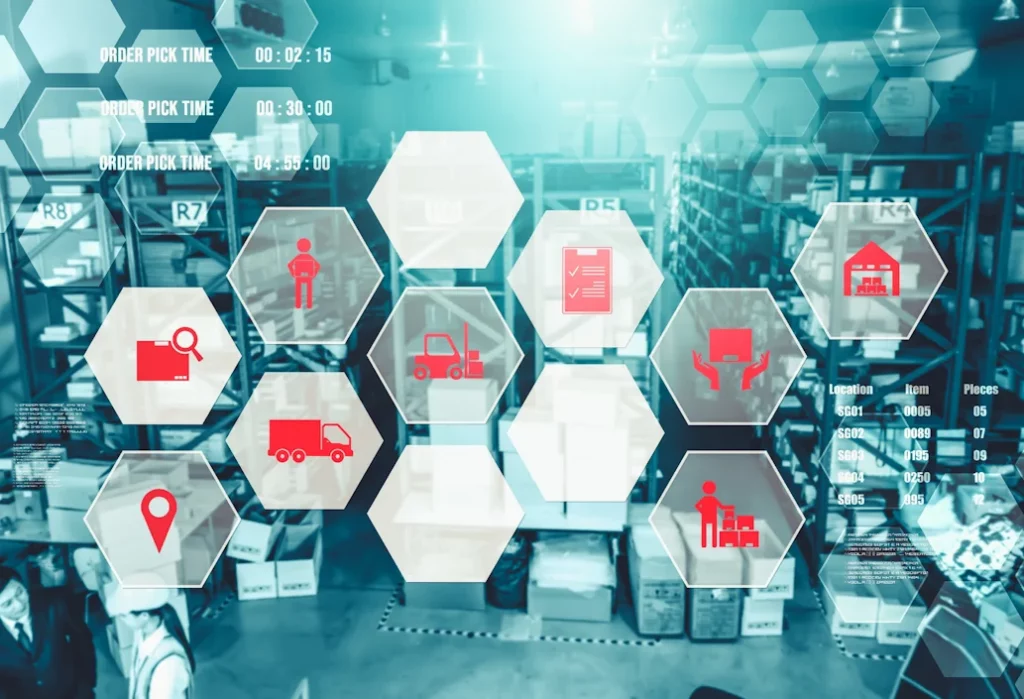
High implementation and maintenance costs, limited connectivity infrastructure in some regions, and the need for powerful servers and skilled personnel further limit IoT accessibility. The high energy consumption of many IoT devices also poses significant limitations for vehicles operating in remote or energy-constrained environments. Furthermore, centralized process control requires complex and expensive management systems.
Despite these limitations, the benefits of IoT are undeniable. Overcoming these challenges is crucial for the effective implementation of IoT in the transportation sector.
How SYNEX Logistics Uses IoT to Strengthen Transportation Efficiency
At SYNEX Logistics, connected technology is not an add-on — it is built into how we plan, execute, and monitor freight transportation.
GPS tracking and container monitoring systems give our operations team and clients real-time visibility into shipment location and status. Route optimization algorithms fed by live traffic and vessel schedule data help us minimize transit times and reduce the risk of delays. Container condition monitoring — temperature, humidity, and security status — protects sensitive and high-value cargo throughout the journey.
Our approach to IoT in shipping and logistics focuses on practical outcomes: fewer damage claims, tighter delivery windows, and full transparency for every stakeholder involved. By integrating smart technologies into daily workflows, SYNEX Logistics accelerates supply chain operations while maintaining the reliability and service quality our clients depend on.
Conclusions
The Internet of Things in logistics is no longer a future concept — it is the operating reality for companies competing in global supply chains. From real-time tracking and cold chain monitoring to predictive maintenance and warehouse automation, IoT applications in logistics deliver measurable gains in cost, speed, accuracy, and resilience.
The IoT in transportation and logistics market is growing at double-digit rates for a reason: companies that adopt connected technology gain visibility their competitors do not have, respond to disruptions faster, and serve customers at a higher standard. And while IoT security, interoperability, and implementation costs remain real challenges, the strategic advantage of early adoption far outweighs the friction of getting started.
The question for logistics businesses today is not whether to implement IoT — it is how quickly they can do it without leaving blind spots in their supply chain.