Ro-Ro or Lo-Lo: Which Method is Best for Different Types of Vehicle Transport
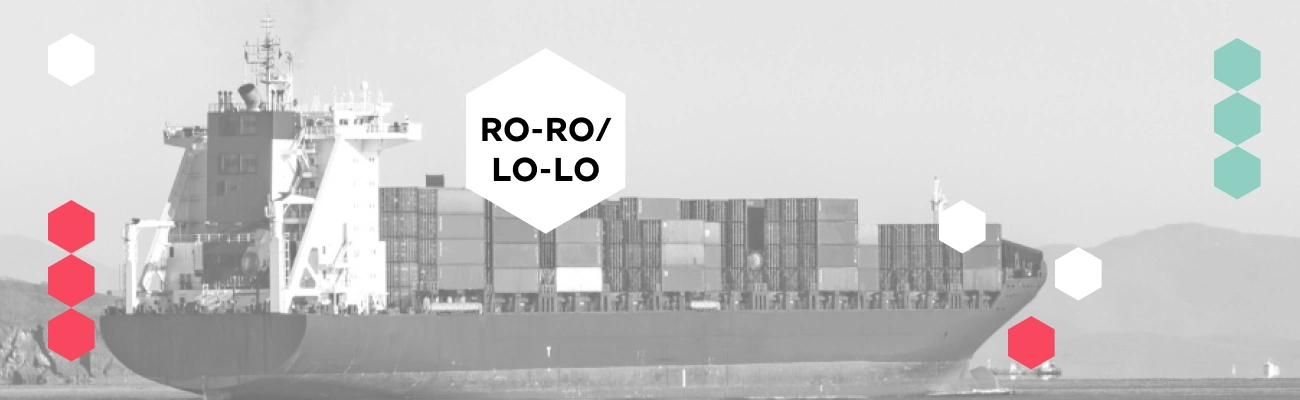
When you need to ship vehicles by sea — whether it’s a fleet of cars, construction equipment, or a single boat — the shipping method you pick affects cost, delivery time, and cargo safety. Two methods dominate maritime vehicle transport: RoRo (Roll-on/Roll-off) and LoLo (Lift-on/Lift-off).
Table of Contents:
- How Vehicles Are Prepared for Sea Transport
- What Is RoRo Shipping?
- Types of RoRo Vessels
- Advantages and Drawbacks of RoRo
- What Is LoLo Shipping?
- Advantages and Drawbacks of LoLo
- RoRo vs LoLo: Quick Comparison
- When to Use RoRo
- When to Use LoLo
- SYNEX Logistics: Vehicle Shipping by Sea
What Is RoRo Shipping?
RoRo stands for Roll-on/Roll-off. Vehicles are driven onto the ship through built-in ramps, positioned on the deck in rows by size and weight, and secured for transit. At the destination port, they’re driven off the same way.
No cranes. No containers. The vehicle rolls on under its own power (or gets towed if it’s on a trailer), which makes loading and unloading fast and straightforward.
RoRo works for anything with wheels that can move: passenger cars, trucks, buses, trailers, agricultural and construction machinery. It’s the most widely used method for mass vehicle shipments — car manufacturers and dealers rely on it heavily because it handles high volumes at a lower cost per unit than container shipping.
Types of RoRo vessels:
- Pure Car Carriers (PCC) — multi-deck ships designed specifically for cars. The largest ones fit 6,000–8,000 vehicles at once.
- Pure Car and Truck Carriers (PCTC) — handle both cars and trucks, with liftable decks that adjust to accommodate taller vehicles and heavy machinery.
- RoPax — ferries that carry both vehicles and passengers, mostly used on shorter sea routes.
- ConRo — hybrid vessels that combine RoRo decks with container capacity, useful for mixed cargo shipments.
Advantages and Drawbacks of RoRo
What works well:
- Speed — RoRo vessels are fast, and the loading/unloading process takes a fraction of the time compared to crane-based methods. Frequent sailing schedules on major trade lanes mean shorter wait times between bookings.
- Lower cost — no containers, no crane fees, less labor. For standard operable vehicles, RoRo is almost always the cheapest option.
- Simplicity — the logistics chain is shorter and less complex. Fewer handling steps mean fewer opportunities for something to go wrong.
- Capacity for oversized cargo — spacious decks accommodate heavy and bulky equipment that wouldn’t fit in a standard container.
What to watch out for:
- Route limitations — RoRo vessels run on fixed routes between major ports. If your destination doesn’t have a RoRo-capable terminal with the right ramp infrastructure, this method isn’t an option.
- Exposure risk — vehicles on open decks face sun, wind, salt spray, and precipitation. Even on enclosed decks, the level of weather protection varies by vessel.
- Handling damage — during on-board maneuvers, vehicles can pick up scratches or dents. Proper securing reduces this risk, but it doesn’t eliminate it entirely.
- Port infrastructure dependency — not every port has the ramps and staging areas RoRo operations require.
What Is LoLo Shipping?
LoLo stands for Lift-on/Lift-off. Instead of driving cargo aboard, cranes lift vehicles onto the ship and lower them into position. The cranes can be on-board (geared vessels) or dockside — and in busy ports, shore-based cranes are often faster and more powerful.
Once loaded, vehicles are placed in designated compartments or container cages and secured for transit. This method gives more flexibility in how cargo is arranged on the vessel, which means better use of available deck space for mixed or irregularly shaped loads.
LoLo is the go-to method for cargo that can’t move on its own: damaged vehicles, unfinished units, railway equipment, military vehicles, watercraft, and oversized structures mounted on chassis.
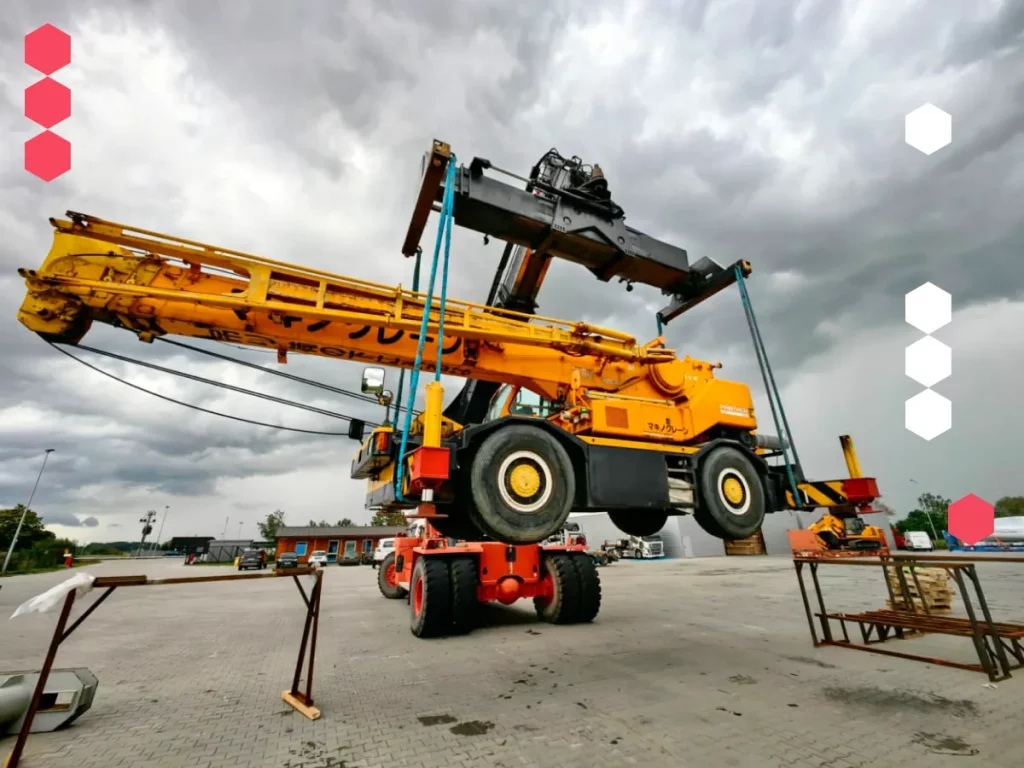
Once loaded, vehicles are securely fixed and placed in designated compartments or container cages to ensure their safety during transport. Lo-Lo ships typically have spacious decks and upper platforms, allowing for the efficient placement, loading, and unloading of various cargo types, maximizing overall transport capacity.
Advantages and Disadvantages of Lo-Lo Shipping
Lo-Lo shipping is a secure and reliable transportation method for vehicles, minimizing the risk of damage due to containerized or specialized packaging. This method is available in most major international ports, making it ideal for long-distance shipping. Lo-Lo is particularly efficient for the transportation of oversized and heavy cargo, as it allows for flexible placement on the vessel and optimal use of space. It is also essential for transporting non-movable cargo, requiring careful lifting and positioning. Additionally, Lo-Lo is suitable for the transportation of out-of-gauge machinery, which demands precise handling during loading and unloading.
In ports lacking the necessary heavy-lifting equipment, onboard cranes become a crucial solution, significantly reducing operational costs. However, Lo-Lo shipping has certain disadvantages. Loading and unloading with cranes take longer, which can cause delays, especially in busy ports. In ports with well-developed infrastructure, ground-based cranes often operate faster than onboard cranes. Furthermore, not all vessels are equipped with the required handling mechanisms, meaning that specialized ships may be necessary for transporting large machinery.
When Is Lo-Lo the Best Option?
Lo-Lo transport is ideal for delivering various types of cargo that cannot move independently or require additional specialized equipment for movement, including:
- Specialized machinery;
- Railway transport;
- Damaged or unfinished vehicles;
- Military equipment;
- Watercraft;
- Oversized structures on chassis.
Lo-Lo shipping is a great choice when vehicles require careful loading, secure fastening on board, and protection from external conditions during transport.
Advantages and Drawbacks of LoLo
What works well:
- Versatility — LoLo handles anything a crane can lift, regardless of whether it has wheels or runs. This makes it the only option for static, non-operational, or irregularly shaped cargo.
- Wider port access — LoLo vessels don’t need ramps, so they can operate in more ports worldwide. If your destination lacks RoRo infrastructure, LoLo is likely your only choice.
- Better cargo protection — vehicles in containers or secured compartments are shielded from weather and external damage during transit.
- Efficient for heavy loads — on-board cranes designed for heavy lifts handle machinery and equipment that would be impossible to roll aboard.
What to watch out for:
- Slower loading — crane operations take longer than driving vehicles on and off. In congested ports, this can add meaningful delays.
- Higher cost — crane fees, longer handling times, and potential need for specialized securing equipment all add up.
- Equipment dependency — if the vessel’s on-board cranes aren’t powerful enough for your cargo, you’re dependent on dockside equipment availability, which varies by port.
RoRo vs LoLo: Quick Comparison
| Factor | RoRo | LoLo |
| Loading method | Driven on/off via ramps | Lifted on/off by cranes |
| Best for | Operable wheeled vehicles | Static, oversized, or non-wheeled cargo |
| Speed | Fast loading/unloading | Slower, crane-dependent |
| Cost | Lower (no cranes, no containers) | Higher (crane fees, securing equipment) |
| Port requirements | Needs ramps and staging areas | Needs cranes (on-board or dockside) |
| Weather protection | Limited on open decks | Better (containerized or compartmentalized) |
| Route availability | Fixed routes, major ports only | Wider port access |
When to Use RoRo
RoRo makes the most sense when you’re shipping operable wheeled vehicles — cars, trucks, buses, trailers, construction or agricultural machinery — between ports that support RoRo operations. It’s the right choice for regular, high-volume shipments where fast turnaround and low per-unit cost are the priority. If the vehicle can drive or be towed onto a ramp, RoRo will almost always be cheaper and faster than the alternatives.
When to Use LoLo
LoLo is the better fit when your cargo can’t roll aboard on its own. This includes damaged or unfinished vehicles, railway equipment, military vehicles, boats without trailers, oversized structures on chassis, and any machinery that needs crane handling. LoLo also becomes the default option when your destination port doesn’t support RoRo.
SYNEX Logistics: Vehicle Shipping by Sea
SYNEX Logistics handles maritime vehicle transport for passenger and commercial vehicles, specialized machinery, and oversized cargo. We manage the full process — customs clearance, temporary storage, route planning, and final delivery.
One example: we transported boats from Ukraine to Canada, coordinating a multi-stage operation that required specialized handling, documentation for international waters, and delivery across two continents. This kind of project is where our approach shows its value — not in standard templates, but in solving the specific problem each shipment presents.
If you’re planning a vehicle shipment by sea and need to decide between RoRo and LoLo — or need a partner who handles both — contact SYNEX Logistics to discuss your route, cargo, and timeline.