Energy Independence Logistics: What Ukrainian Businesses Import and How
For most Ukrainian companies, energy independence has become an essential part of annual planning. The stability of power supply directly affects production schedules, warehouse operations, refrigeration equipment, offices, and critical systems. At the same time, importing energy equipment has its own specific requirements. In this article we will examine what exactly Ukrainian businesses purchase and how they source it, why logistics often becomes a bottleneck when preparing for periods of power outages, and how to minimize these risks. This article will be useful for business owners and executives, procurement specialists, import and logistics managers who are planning to purchase generators, battery storage systems, charging stations, solar panels, and other equipment for autonomous energy supply.
How Ukrainian businesses are preparing for winter
Ahead of possible blackouts, Ukrainian businesses have started preparing for another winter in advance, relying on the experience gained in previous years. While in 2022–2023 companies mainly purchased portable gasoline generators and household power stations, today the approach has become more structured and engineering-driven, depending on the specific needs of each business.
- For a small office, a portable power station and backup internet connection may be sufficient.
- For stores and restaurants, maintaining the operation of refrigeration equipment, cash registers, and lighting is critical, so they may use battery storage systems, inverters, and charging stations.
- For manufacturing companies, power requirements are significantly higher. Therefore, businesses are investing in their own generation capacity, solar power plants, and battery energy storage systems (BESS) to compensate for power outages and electricity shortages while reducing dependence on the grid.
The scale of energy equipment imports is also changing: Ukrainian businesses are increasingly working with large shipments of generators, battery systems, and other power supply equipment. According to the State Customs Service of Ukraine, in January 2026 alone, Ukraine imported 13.6 thousand tonnes of electric accumulators worth more than UAH 10.4 billion. This demonstrates the significant demand for autonomous energy supply equipment and the growing requirements for its logistics.
Energy independence equipment — import considerations
The government supports the import of energy equipment through a preferential import regime. In particular, the validity of the «245» exemption code, which allows certain categories of energy equipment to be imported without payment of customs duties and taxes, has been extended until January 1, 2029. At the same time, a preferential regime does not mean simplified logistics: declaration, classification, and transportation requirements depend on the type of equipment and its technical characteristics.
Importing portable power stations
Charging stations and energy storage systems often contain lithium-ion batteries. For customs clearance, their technical specifications, composition, and correct classification are essential. The State Customs Service of Ukraine separately provides guidance on the classification rules for solar panels, inverters, and electric accumulators. Depending on their design and functionality, these products may fall under different Ukrainian Classification of Goods for Foreign Economic Activity (UKT ZED) codes.
There are also specific transportation requirements. Lithium batteries may be subject to dangerous goods transport regulations. The exact requirements depend on the battery type, configuration, and capacity. For road transportation of dangerous goods, ADR requirements apply, while air freight is regulated by specific IATA rules. Therefore, before booking transportation, it is important to obtain a complete technical description of the cargo and determine its transport classification.
Importing generators
The key factors for commercial shipments of generators are the UKT ZED code, technical specifications, and the power output of the unit. The current preferential import regime applies to units with a capacity of 7.5 kVA or more. Generators with lower capacity are not covered by the exemption and must be cleared under the standard procedure.
Large industrial generators require specialized loading equipment and transport solutions. If they are transported together with fuel or other hazardous substances, ADR requirements apply. Therefore, the equipment configuration and transport documentation should be verified before shipment.
Solar panels and alternative energy sources
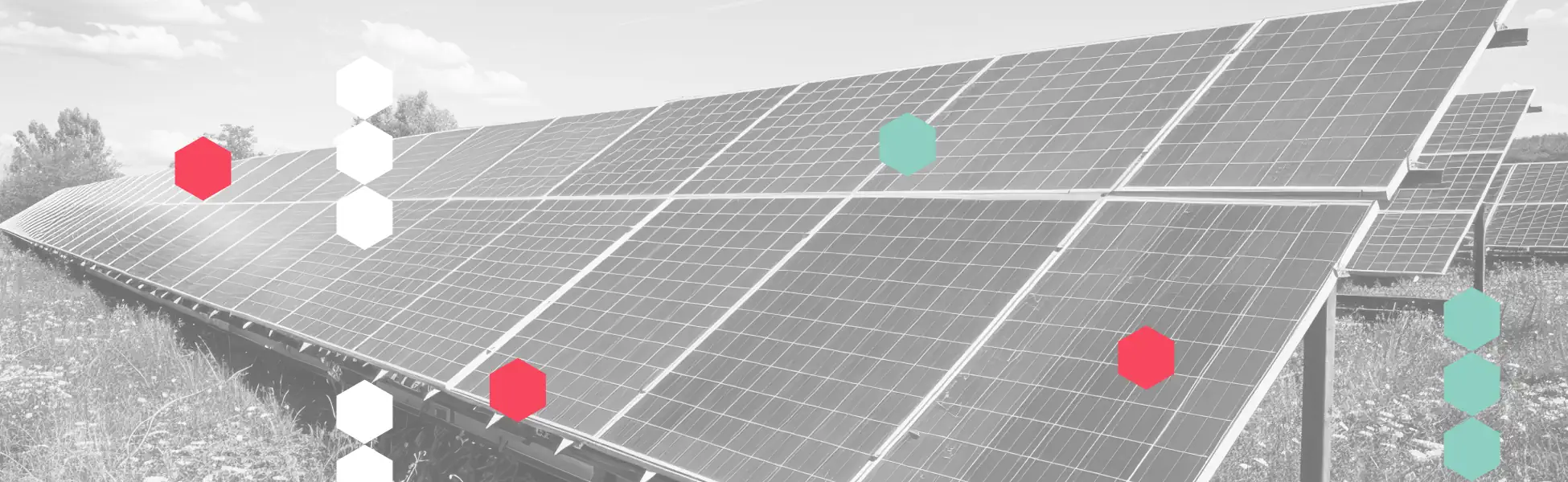
Solar panels, inverters, and energy storage systems may also qualify for the preferential import regime, depending on the specific product and its classification under the UKT ZED code. For large shipments another challenge arises — coordinating the entire supply chain: from international transportation and customs clearance to cargo distribution among multiple final locations. It is precisely at this intersection that logistics risks most often emerge.
«Energy independence equipment has its own logistics specifics: these are often urgent deliveries, with cargo requiring increased attention to documentation and transportation requirements. For example, when transporting generators, it is important to verify technical specifications, manufacturer documentation, and customs clearance requirements in advance, as any inaccuracy can affect delivery timelines.
At SYNEX Logistics, we start working with such cargo by developing a detailed route plan: we assess transport availability, the specifics of the particular equipment, and potential risks along the way. This allows us to determine the optimal transportation scheme in advance and avoid unforeseen delays.
Our task is not simply to deliver equipment from point A to point B, but to ensure predictable delivery at a time when every day matters for the business. That is why experience, proper customs brokerage support and efficient coordination of all parties involved are critical in such projects,» — Oleg Vydrin, Head of Sales.
Why is logistics a challenge for business energy independence?
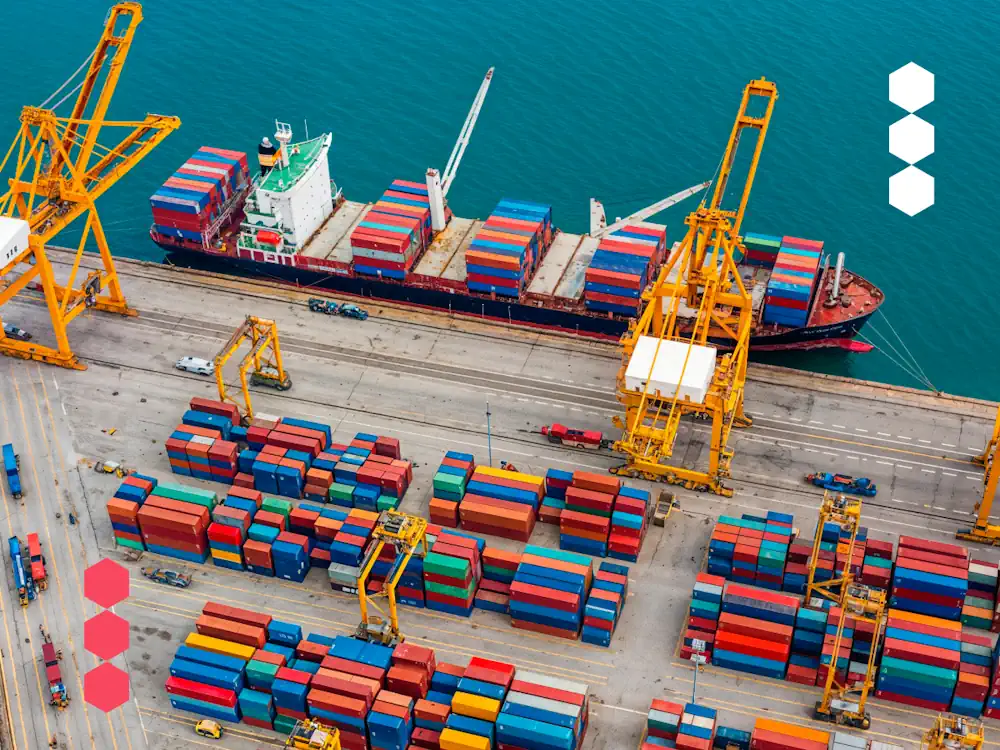
Purchasing equipment often seems like the final stage of a project. In reality, there is an entire chain of operations between paying the supplier and commissioning a generator or energy storage system at a facility: cargo pickup, international transportation, transshipment, customs clearance, delivery to Ukraine, unloading, and final delivery to the destination site. It is precisely during the delivery stage that numerous factors can arise that may affect the project timeline and overall costs.
High demand slows down deliveries
The demand for energy equipment increases ahead of the season with a higher risk of power outages. This creates peak pressure on manufacturers, warehouses, ports, carriers, and transport routes. If procurement begins when the equipment is already urgently needed, the choice of routes and carriers will be limited. Therefore, logistics planning should start in parallel with the procurement process, not after the cargo is ready for shipment.
Limited import entry points
In wartime conditions, import route options are limited, and certain directions periodically face additional pressure and movement restrictions. This can increase border crossing times and complicate delivery planning. For imports from Asia, the international logistics chain may involve several countries, port transshipment, changes in transport modes, and final delivery within Ukraine. For dangerous goods, additional requirements apply regarding transportation procedures and documentation in accordance with ADR regulations.
Fragility during transportation
Energy equipment is not a homogeneous cargo category. Solar panels require protection against damage, batteries require compliance with specific regulations depending on their characteristics, and large generators require appropriate loading and transportation equipment. Humidity, vibration, improper securing, or damage during transshipment can put equipment out of operation even before installation, resulting in additional costs and delays. For such cargo, it is advisable to arrange insurance against the risks of cargo damage or loss in advance. Moreover, the universal «container + truck» solution is not always suitable. Therefore, the transportation strategy requires individual planning that takes into account the specific characteristics of each type of cargo.
How SYNEX Logistics transports energy equipment for businesses: our cases
SYNEX Logistics has practical experience in transporting energy equipment.
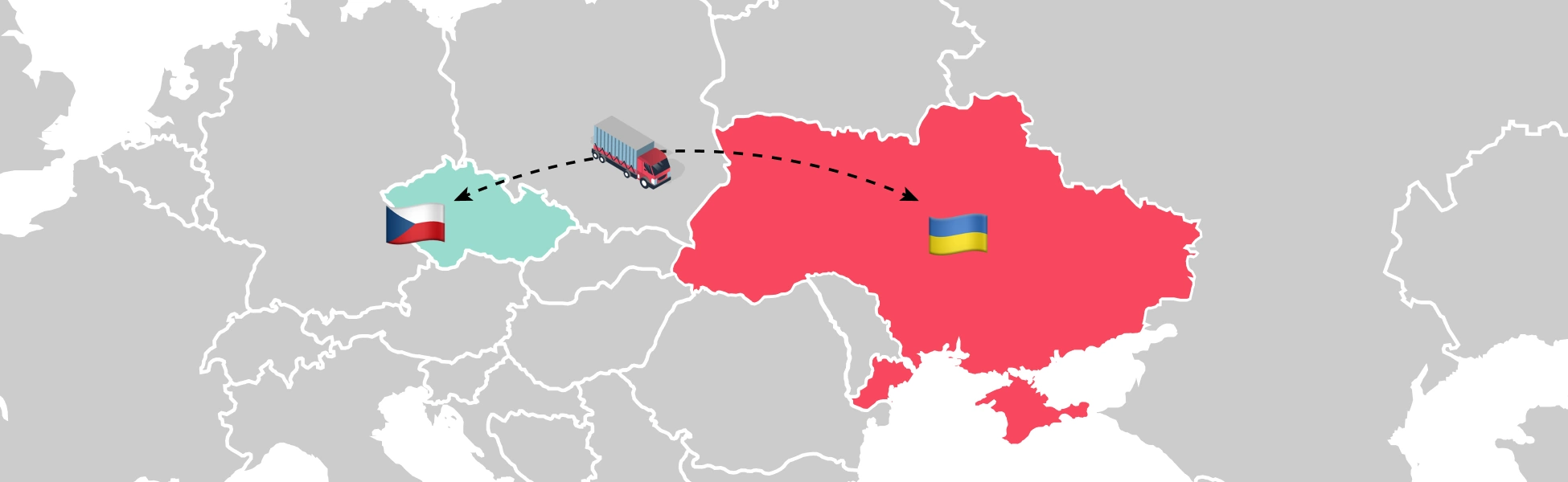
One of the cases involved the delivery of 10 sea containers with solar panels from the Belgian port of Antwerp to Ukraine. After the cargo arrived, the team organized its transshipment into 12 trucks and delivery to several regions of Ukraine. The shipment was delivered on time and without damage. As a result, the client received a complete logistics solution — from the import port to the «last mile» delivery in Ukraine. Optimization of the transshipment process helped reduce transportation costs and ensure control at every stage.
Another example is an inverter generator weighing more than 30 tonnes, classified as ADR Class 9 dangerous goods. For its delivery from China to Ukraine, a flat rack container was used, and cargo reloading was organized at a port in Romania.
These cases demonstrate that for energy equipment, it is essential to consider dimensions, weight, technical characteristics, and transportation requirements in advance. This makes it possible to select the appropriate transport, optimize the route, and reduce the number of operations during which the cargo may be damaged or delayed.
Planning to import energy equipment? Contact SYNEX Logistics to calculate the optimal delivery solution in advance.
Conclusion
Ensuring energy independence is a complex project in which logistics directly affects the timelines, costs, and security of equipment supply.
Generators, battery systems, charging stations, and solar panels have different requirements for customs clearance and transportation. Additional risks arise from seasonal demand, limited transport capacity, transshipment operations, and specific requirements for certain cargo categories.
Therefore, logistics should be an integral part of an energy independence project from the very beginning. The earlier the cargo specifications, customs regime, and transportation route are determined, the more opportunities there are to deliver equipment on time and avoid unnecessary costs.