
TRACECA Permit — What It Means for Freight Between Europe and Asia
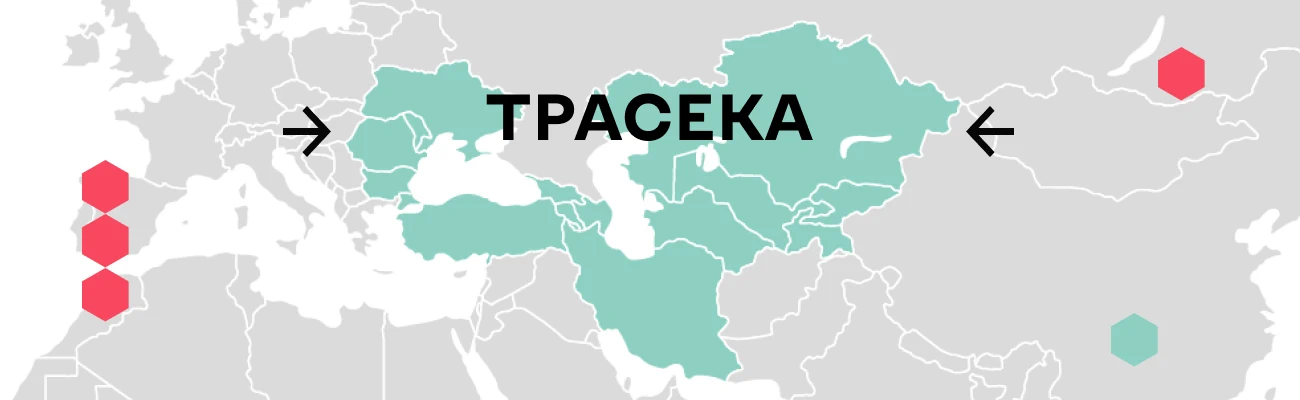
On May 15, 2026, key countries along the TRACECA corridor signed an agreement in Astana to introduce the Unified Digital Transit Permit. This article provides a detailed overview of how the new single-window mechanism works, which countries have already joined the UDTP system, and how the reform addresses the problem of queues at border crossings. The material will be useful for cargo owners, exporters, and freight forwarders seeking stable, fast, and cost-effective routes that bypass the blocked northern corridors.
What is the TRACECA transit permit and why does it matter
The TRACECA transit permit is a special document that allows road carriers to transport cargo along the international Europe – Caucasus – Asia Transport Corridor (TRACECA) without having to obtain separate national permits in each transit country.
The first countries to join the agreement were Kazakhstan, Ukraine, Uzbekistan, Azerbaijan, and Kyrgyzstan.
To explain why the Unified Transit Permit (UTP) is being introduced, let us compare the conditions for cargo transportation along the TRACECA corridor before and after the agreement was signed:
| Category | Before | After |
| Document format | Physical paper permits issued separately by each country | A unified digital document with a unique barcode and QR code |
| Application process | Submitting requests to the transport ministries of different countries and collecting documents manually | Remote application through a single web portal based on the single-window principle |
| Border crossing | Manual data entry by customs officers and verification of paper permit authenticity | Automatic barcode scanning and integration with border crossing point databases |
| Time at border crossings | Delays ranging from several hours to several days | Reduced transit border crossing times |
| Administrative costs | Separate duties and fees paid to each country | One fixed payment for through transit along the entire route |
The transition to a unified digital document addresses the following objectives:
- creating seamless logistics between Europe and Asia;
- simplifying the organization of international transportation and enabling the large-scale digitalization of logistics processes;
- increasing transportation transparency at every stage of the route;
- reducing transit times and transportation costs by optimizing and accelerating border control procedures.
What problems does the single transit permit solve for carriers
The introduction of the unified TRACECA permit addresses three major challenges faced by road carriers: it eliminates multi-day queues at borders, reduces transportation costs, and removes the risk of shortages of physical permit forms. The mechanism fully digitalizes transit control.
Reducing paperwork and border crossing times
The unified TRACECA electronic permit replaces a series of national paper permits with a single digital document containing a barcode. This simplifies cross-border shipments, automates document verification, and reduces the total time freight vehicles spend waiting at border crossing points.
Cutting costs on national permit applications
The introduction of the TRACECA through transit permit eliminates the need to pay administrative fees separately in each transit country. The carrier obtains a single digital permit for the entire route through a unified web portal, significantly reducing freight costs and minimizing the risk of illicit trade in scarce paper permits.
The benefits are particularly noticeable when transporting large consignments of goods, as permit costs and vehicle downtime have a direct impact on the total cost of delivery.
Previously, arranging transportation along transcontinental routes required substantial upfront expenditure before the vehicle even began its journey. Obtaining separate transit permits for each country accounted for a significant share of the overall transportation costs.
Which routes does the TRACECA permit cover
At the initial stage, the unified permit covers the territories of five countries: Ukraine, Kazakhstan, Uzbekistan, Azerbaijan, and Kyrgyzstan. This through route connects European freight hubs with the markets of Central Asia.
At the same time, the international TRACECA transport corridor (Europe – Caucasus – Asia) covers a broader network of routes across the Black Sea region, the Caucasus, and Central Asia. The corridor connects European freight hubs with Central Asian markets via the Black Sea and the Caspian Sea.
TRACECA routes cover several key areas:
- The Black Sea region – Ukraine, Bulgaria, Romania, and Moldova.
- The Caucasus section – Azerbaijan, Georgia, and Armenia.
- Central Asia – Kazakhstan, Kyrgyzstan, Uzbekistan, Tajikistan, and Turkmenistan.
- Trans-Caspian routes through ports on the Caspian Sea.
Geographical structure and roles of the participating countries:
| Countries | Role in the TRACECA logistics corridor |
| Ukraine | Serves as a strategic land and maritime gateway for European cargo entering the Black Sea region |
| Azerbaijan | A central logistics hub in the Caucasus, connecting overland routes with Caspian Sea ferry crossings |
| Kazakhstan, Uzbekystan, and Kyrhyzstan | Major trade and distribution hubs in Central Asia, providing direct access to the region’s markets |
| Türkiye, Georgia, Moldova, Romania, and Bulgaria | Form part of the TRACECA transport corridor and are considered potential participants in the Unified Transit Permit mechanism |
What opportunities does TRACECA open for freight through Ukraine
Ukraine’s integration into the TRACECA digital system creates opportunities to attract new transit cargo flows from the EU to Asia. It enables Ukrainian Black Sea ports to become a part of the unified Middle Corridor logistics chain and helps freight forwarders reduce costs at transit borders.
Ukraine’s transit potential on the Europe — Caucasus — Asia route
The TRACECA Agreement establishes Ukraine as a key transit hub in the western section of the corridor. The unified electronic permit enables Ukrainian carriers and logistics hubs to process cargo seamlessly for direct delivery from Europe to Kazakhstan, Uzbekystan, and Kyrhyzstan via Black Sea ports.
Ukraine’s inclusion in the initial group of countries that signed the Unified Transit Permit agreement strengthens its role in regional transport logistics. It provides direct access to the markets of Kazakhstan and Uzbekistan through optimized southern routes.
Benefits for freight forwarders and cargo owners:
- New transit corridors. The ability to legally and quickly bypass blocked or congested northern routes.
- Simplified multimodal shipment. Combining road transport with ferry crossings across the Black Sea can now be arranged more quickly through end-to-end digital transit control.
- Economic benefits. Lower transit costs through Ukraine, resulting from the elimination of domestic fees, help attract major European customers.
Connection with the Trans-Caspian route and the Middle Corridor
The unified TRACECA permit serves as a key digital integration mechanism connecting Ukraine’s logistics routes with the Middle Corridor and the Trans-Caspian route. Electronic document exchange ensures supply chain continuity during the transshipment of cargo from Black Sea ports across the Caucasus and the Caspian Sea directly into the transport networks of Kazakhstan and Central Asia.
The integration of the TRACECA digital systems with the Trans-Caspian International Transport Route (TITR) addresses the main challenge of intermodal transportation: delays at transfer points between different modes of transport.
How SYNEX Logistics operates on TRACECA routes
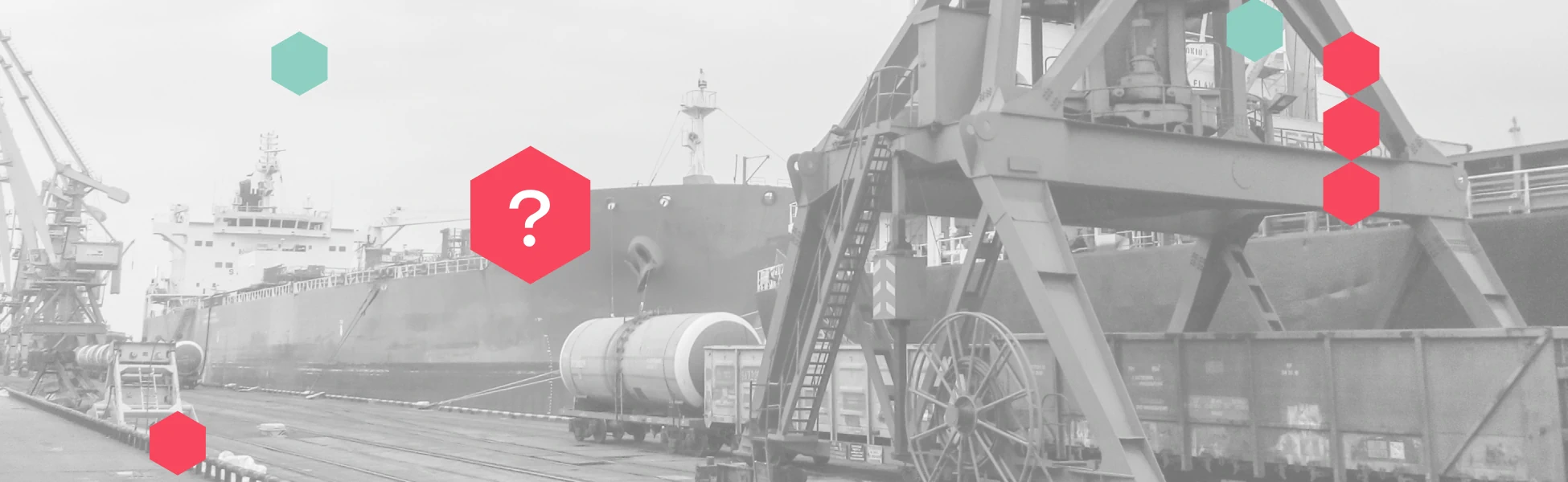
SYNEX Logistics arranges freight transportation along TRACECA routes using road, rail, sea, and multimodal delivery solutions, including shipments through the Caspian region.
The company ensures route efficiency and security through four key factors:
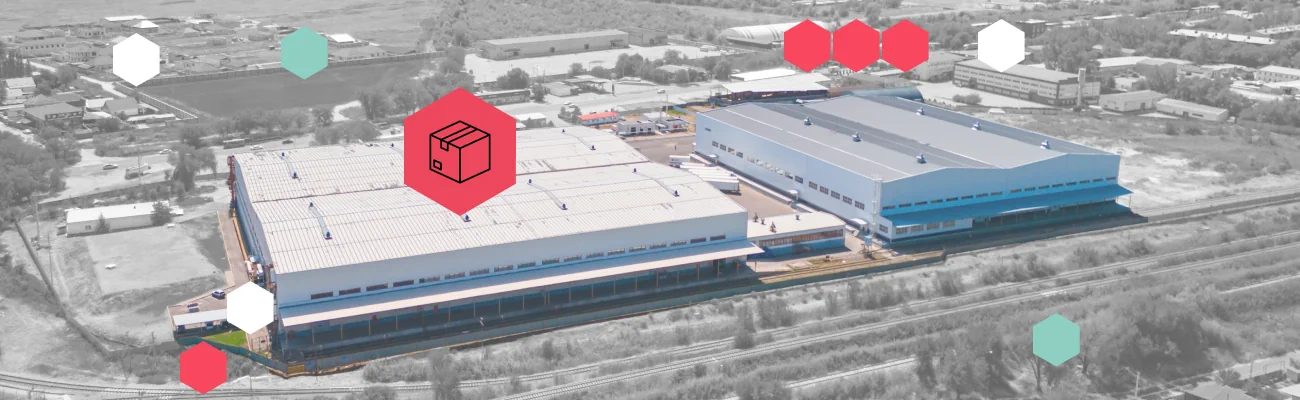
- Own network. Offices in Ukraine, Kazakhstan, Poland, and the Czech Republic directly coordinate cargo movements along key sections of the route.
- Customs services. In-house customs brokerage teams provide end-to-end processing of transit and international shipping documentation.
- Specialization. The company has extensive expertise in transporting complex cargo, including dangerous goods (ADR), oversized cargo, and temperature-sensitive shipments requiring strict temperature control, such as pharmaceuticals and food products.
- Risk protection. Comprehensive insurance coverage applies at every stage of cargo handling, from loading to final delivery to the customer.
Entrust your supply chain management to the experts at SYNEX Logistics. We will develop a tailored delivery solution and provide control at every stage of the route to minimize transit risks and optimize costs along TRACECA routes.

FAQ
The Unified TRACECA Transit Permit will enter into force once the signatory countries have completed the required domestic procedures and ratification. The transition to the electronic format will take place gradually. The exact implementation date has not yet been determined, as it depends on the pace of the ratification process in each country.
No, this is precisely the core purpose of the reform. The new agreement completely replaces the previous system of multiple national paper permits. A carrier will obtain a single digital document with a unique identification number and QR code through an integrated end-to-end information system, allowing it to cross the borders of all countries that have ratified the agreement without additional national permits.
The agreement applies to road transport and also supports multimodal solutions involving rail and sea transport. This makes it possible to use combined routes across several countries within a single logistics chain.
Yes. TRACECA routes include the Caspian region as a key section of the corridor. Shipments through the ports of Baku, Aktau, and Kuryk are used in multimodal transport solutions, with onward delivery to Central Asian countries.

