International trade is impossible without a clear understanding of delivery rules and the allocation of responsibilities between the seller and the buyer. This article explains what Incoterms 2020 is and what role these standards play in supply chain management. You’ll learn why adhering to these rules is important for logistics efficiency, risk management, and how professional logistics specialists and customs brokers play a role in this. This material will be useful for companies and newcomers in foreign economic activity (FEA) who want to understand what is needed for international shipments of large quantities of goods.
Incoterms 2020 as the Base Language of International Logistics
Incoterms (International Commercial Terms) are a system of international rules and terms developed and approved by the International Chamber of Commerce (ICC). They define the rights and obligations of the seller and the buyer in foreign trade agreements, helping both parties to understand the terms of the agreement in the same way, without confusion.
Each Incoterm (EXW, FCA, FOB, CIF, etc.) is a fixed set of arrangements. It has a clear legal meaning, covers the key aspects of delivery, and is interpreted in the same way in different countries and legal systems. Simply put, Incoterms is a common international “language” for businesses, logistics professionals, foreign trade specialists, and customs authorities.
The latest edition, Incoterms 2020, replaced the 2010 version and took into account changes in modern international trade, logistics, and shipping practices. It’s important to understand that Incoterms does not regulate the sales contract itself and does not replace commercial agreements between the parties. Its purpose is to clearly establish the key parameters of delivery, which form the basis for the logistics chain from transportation organization to the distribution of responsibilities between the parties.
Incoterms 2020 – SYNEX Logistics
The Role of Incoterms 2020 in Supply Chain Management
In international logistics, the supply chain essentially begins with defining the terms of the contract. Incoterms 2020 sets the basic framework within which interactions with carriers, freight forwarders, warehouses, and customs brokers are built. The selected terms determine who makes key logistical decisions and at what stage. Some companies choose terms where most organizational matters remain with the partner, while others take delivery into their own hands to independently manage timelines, routes, and costs. Incoterms allows companies to clearly define this choice at the contract agreement stage.
For example, when transporting goods from Europe to Ukraine, where the logistics process involves multiple carriers, customs procedures, and different jurisdictions, having a clear understanding of who is responsible for the cargo at each stage is critical. Even minor ambiguity in dividing responsibilities in such circumstances can lead to delays, additional costs, or disputes between parties.
Zones of Responsibility Under Incoterms 2020
For the international supply chain to work smoothly, the parties must clearly understand their duties at each stage of delivery. For convenience, all responsibilities can be divided into three key areas.
Costs and Financial Responsibility
The choice of a specific Incoterm directly impacts how costs are shared between the seller and the buyer: who pays for transportation, customs clearance, unloading, packaging, transit fees, and other operational expenses incurred during delivery. This allows companies to estimate their financial burden in advance, plan their budget, and avoid unforeseen costs.
Risks and the Moment of Transfer
Incoterms clearly define when risks related to the goods are transferred from the seller to the buyer. This refers to potential damages, delays, loss of cargo, or other unforeseen situations that may occur during transportation. A clear definition of this moment reduces the likelihood of disputes in case of incidents and ensures a transparent understanding of each party’s responsibilities throughout the delivery process.
Delivery, Insurance, and Process Control
Incoterms specifies who arranges the transportation, ensures insurance, and controls the delivery process. For example, under CIF or CIP terms, the seller arranges insurance, while EXW or FCA terms place this responsibility on the buyer. This enables the company to consciously decide which operations to control themselves and which to delegate to the partner, reducing the risk of misunderstandings and ensuring a transparent supply chain.
Incoterms 2020 in Business and Logistics Interaction
Understanding the rules of Incoterms 2020 is essential not only for drafting a contract but also for efficient logistics operations. The interaction between businesses and logistics partners is based on clearly defined obligations and areas of responsibility established by these rules.
What Businesses Should Understand at the Start
Before signing the contract, companies should clearly understand their role in the entire supply chain. This is not just about money or insurance but about specific decisions, such as which operations they are willing to control themselves and how actively they need to interact with carriers, warehouses, and customs authorities.
This understanding is particularly important for international routes, especially when transporting goods from Spain, where logistics usually involve multiple stages, different carriers, and customs procedures. As a result, businesses gain a clear understanding of their obligations, can assess logistics and operational risks in advance, and make more informed decisions during the international agreement stage.
The Role of Logistics Professionals and Customs Brokers
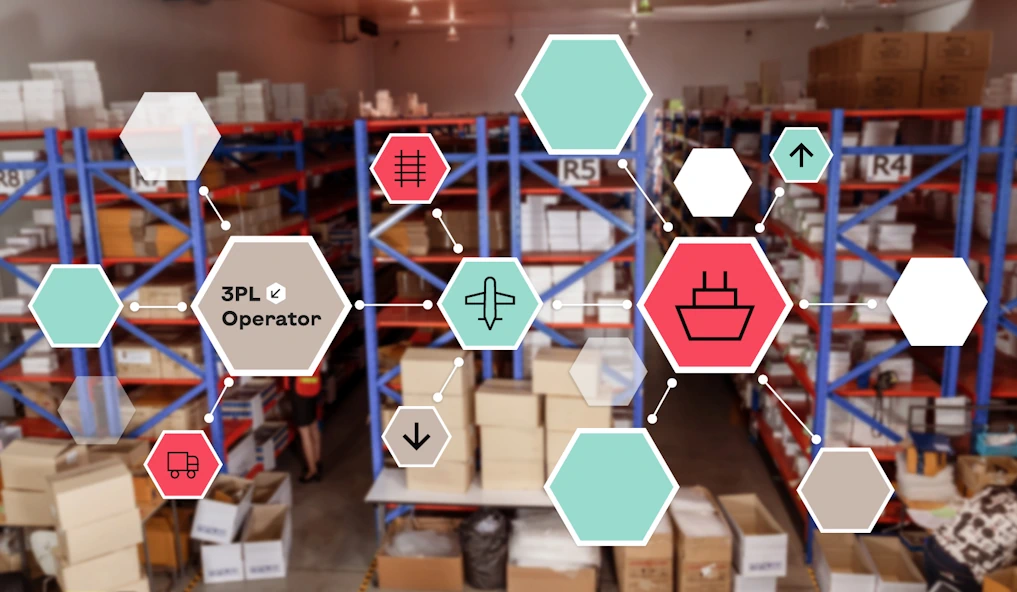
Logistics professionals and customs brokers are key participants in the supply chain, translating Incoterms agreements into practical actions. They organize transportation, monitor delivery timelines, process documentation, ensure interaction with carriers and customs authorities, and, when necessary, take care of cargo insurance. This allows the company to focus on strategic business tasks while ensuring that the logistics process runs smoothly and without disruptions.
Defining the Boundaries of Responsibility for Business
Each party in international delivery must clearly understand where their zone of responsibility starts and ends. Even if the cargo is still in transit, the business knows what actions it is responsible for and which decisions it must control personally. Clear understanding of responsibility boundaries allows businesses to plan resources, delegate tasks to partners, and respond quickly to unforeseen situations during transportation.
Why Adhering to Incoterms 2020 is Critical for International Shipments
On complex international routes, such as Europe-Kazakhstan, even small mistakes or uncertainties can be costly: from delays in the supply chain to financial losses or disputes with partners. Adhering to Incoterms 2020 helps minimize these risks at the operational planning stage because:
-
Clear processes and interactions help align all delivery stages and avoid confusion with carriers, warehouses, customs authorities, and insurance companies.
-
Uniform understanding of terms ensures mutual interpretation of agreements by all participants, especially when working in new markets or with unfamiliar partners.
-
Everyone knows their duties and boundaries of responsibility, allowing decisions to be made faster and ensuring the supply chain runs without delays.
Thus, Incoterms 2020 transforms international logistics from a risky process into a manageable, transparent, and controlled supply chain.
How SYNEX Logistics Handles Incoterms 2020
SYNEX Logistics is a Ukrainian 3PL provider that offers comprehensive services in international transportation and supply chain management. The company works with clients worldwide and has offices in several countries, including Europe and Central Asia, enabling it to effectively organize deliveries along key transit routes.

In our work, we strictly adhere to international standards, including Incoterms 2020 principles, integrating them into route planning, documentation, and the allocation of responsibilities between delivery parties. Our team ensures full logistical support from selecting optimal transportation solutions (road, sea, rail, air) to customs brokerage, cargo insurance, and contractual and warehouse logistics, aligning all elements with the chosen Incoterms terms. This comprehensive approach helps minimize errors, reduce operational risks, and build stable, transparent supply chains for businesses of any scale.
Ready to make international logistics transparent and efficient? Contact SYNEX Logistics today and experience the difference in organizing your deliveries.
Conclusion
Incoterms 2020 essentially sets the rules of the game in international logistics, making supply terms clear to all process participants. Thanks to these rules, agreements between parties are no longer abstract and transform into specific action plans within real supply chains. This is why Incoterms 2020 is not just a formality in contracts but a practical tool that helps avoid mistakes, conflicts, and unforeseen costs in international shipments.