Asset vs. non-asset-based 3PLs: which enhances competitiveness
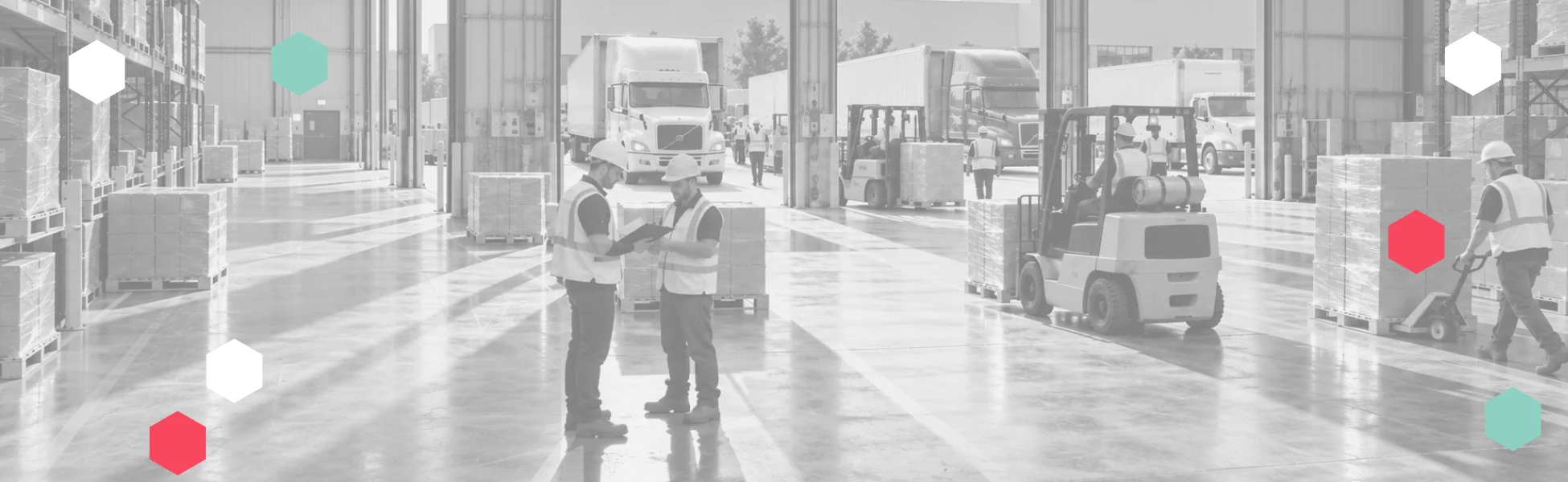
For supply chain leaders, third-party logistics (3PL) is more than a cost-saving tactic—it’s a strategic tool for global expansion and operational resilience. The landscape is crowded, but a key dividing line remains: asset-based 3PL companies versus their non-asset-based counterparts. Inbound Logistics, 2026 3PL Perspectives found that 45% of responding 3PLs used both models, 38% were non-asset-based, and 18% were solely asset-based. Grasping how these business models translate into real-world impacts on cost, reliability, agility, and market access is fundamental for organizations intent on outpacing the competition.
What is an asset-based 3PL?
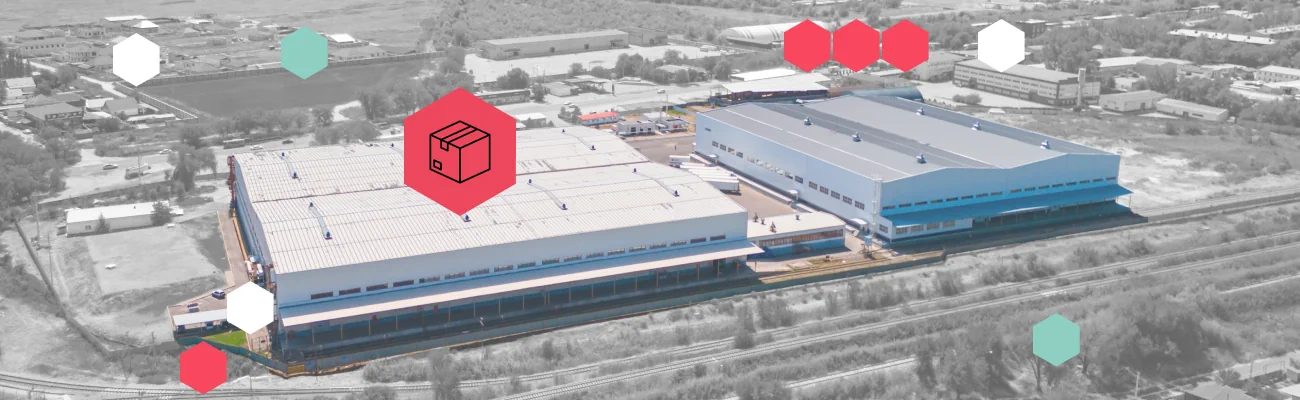
Asset-based 3PLs are distinguished by ownership: they hold the keys to the trucks, the warehouses, and even, in some cases, the ships and planes that move cargo globally. This practical grip over infrastructure enables these providers to deliver logistics solutions end-to-end, underpinned by resources they can directly deploy and manage.
Practically speaking, asset-based logistics providers don’t just coordinate—they execute. By relying on their own fleets and facilities for both transport and storage, they can offer a level of consistency that’s difficult to match. This model prospers when shipment patterns are predictable, translating high utilization into reliability for clients who value routine and certainty.
Asset-based 3PL advantages and limitations
Direct control over capacity and operations
Direct management is the hallmark of asset-based 3PLs. With every link in the logistics chain under their own roof, these providers can orchestrate schedules precisely and address disruptions without delay. For the shipper, this implies fewer handoffs and clearer lines of responsibility, from the warehouse floor to the final destination.
Cost efficiency on stable routes and volumes
When supply chains operate on regular timetables—think steady volumes and established lanes—asset-based 3PLs can gain meaningful cost efficiencies. High asset utilization and stable, long-term agreements help minimize surprises, making the budgeting more predictable and keeping total logistics costs firmly in check.
Limits of infrastructure and geographic coverage
Yet, the same infrastructure that delivers stability can become a double-edged sword. Asset-based 3PL companies are tethered to their network footprint; stretching beyond established regions or adapting to sudden demand swings demands either big investments or new alliances. For businesses pursuing rapid expansion or facing unpredictable flows, these limitations can mean added expense or slower response.
What is a non-asset-based 3PL?
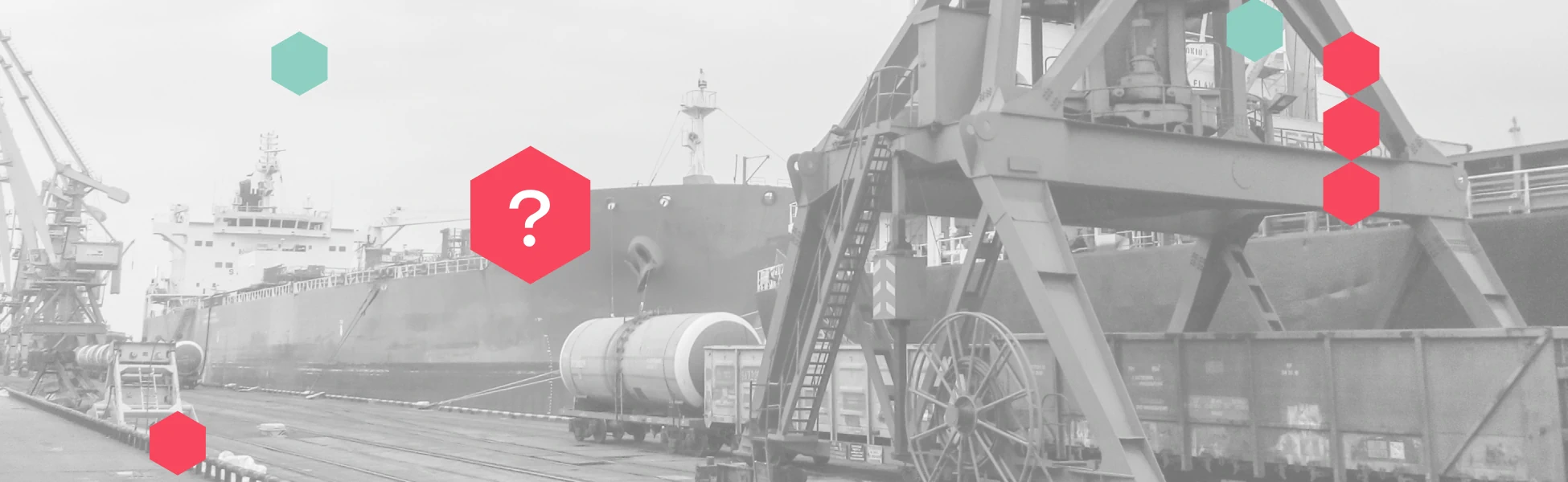
Non-asset-based 3PLs operate without the burden of ownership. Rather than investing in trucks or warehouses, they excel as logistics architects—designing, brokering, and fine-tuning supply chains using a broad spectrum of partners. Their strength lies in matching each shipment’s requirements to the best-fit providers in their network, responding rapidly as needs evolve.
Because they orchestrate rather than own, non-asset-based 3PL companies have room to be nimble. Their expertise isn’t in operating assets, but in connecting dots—negotiating advantageous terms, coordinating multiple carriers or modes, and building a smooth logistics experience, especially when change is the only constant.
Non-asset-based 3PL advantages and limitations
Carrier choice and international coverage
What sets non-asset-based 3PLs apart is their reach. By tapping into a vast array of warehouse operators and carriers, they can piece together solutions that traverse borders, accommodate unusual cargo, or address elaborate regulatory demands. For companies looking for a 3PL international logistics company with true global agility, this dexterity is a distinct advantage.
Flexible capacity and multimodal options
Not constrained by a fixed asset base, non-asset-based 3PLs can ramp up or trim down capacity at speed. Their capacity to blend trucking, rail, air, and ocean creates multimodal solutions that flex as demand changes—a powerful value for businesses navigating seasonality, spikes, or shifting lanes.
Partner dependence and service accountability
The trade-off for this pliability is a reliance on third-party partners. Even with diligent vetting, non-asset-based providers have less direct influence over day-to-day execution. As a result, service consistency and visibility can fluctuate, specifically in complex, multi-stop supply chains where multiple partners share responsibility.
Asset-based vs. non-asset-based 3PL: how to choose
Selecting between asset-based and non-asset-based 3PLs—or a hybrid provider that combines both approaches—should be a deliberate decision rooted in your shipment profile, service priorities, and appetite for flexibility versus control. The table below distills the core trade-offs at a glance:
| Feature | Asset-Based 3PLs | Non-Asset-Based 3PLs |
|---|---|---|
| Ownership & Operational Control | Own and directly manage assets | Rely on partner networks |
| Transport & Warehouse Capacity | Fixed, based on owned assets | Variable, sourced as needed |
| Geographic Coverage | Strong in established regions | Broad, international reach |
| Pricing & Total Logistics Costs | Stable for steady volumes | Competitive, variable |
| Response to Peaks/Route Changes | Slower to scale or adapt | Highly flexible |
| Service Visibility & Accountability | High, direct oversight | Varies by partner |
Choosing the right partner isn’t just a matter of preference—it’s a matter of alignment. RXO, The Logistics Professional’s Guide to KPIs (2025) asked 500 shippers to compare asset-based carriers with 3PLs/brokers on overall KPI performance. 44% saw no difference, 33% rated asset-based carriers higher, and 23% rated 3PLs/brokers higher. Meaning the choice is deeply personal to your specific business needs.
For organizations with consistent flows and set lanes, the stability of an asset-based third-party logistics partner is often invaluable. If volatility, global reach, or multimodal complexity is the norm, the capacity of non-asset-based or hybrid 3PLs might be a decisive edge.
International 3PL solutions with SYNEX Logistics
At SYNEX Logistics, we know that modern supply chains defy one-size-fits-all solutions. Our model fuses the dependability of asset-based logistics with the reach and flexibility of a network-driven approach. Whether your business needs specialized international transportation, meticulous contract logistics, or seamless customs brokerage, we build solutions that deliver certainty and scale—so you can expand and adjust without missing a beat.
Our composite approach—anchored by a dedicated core fleet and warehouse network, yet amplified by a global ecosystem of partners—lets us offer both consistent capacity and the agility to scale. So whether you’re a manufacturer prioritizing consistency, a distributor preparing for growth, or an importer/exporter facing regulatory transitions, SYNEX Logistics is prepared to deliver the operational superiority and agility your business demands.
Conclusion
There’s no universal winner in the asset-based vs. non-asset-based 3PL debate—only the right fit for your operation. Asset ownership delivers direct control and stability; network-driven flexibility enables entry to new markets and responsive service. When supply chain risks and opportunities emerge overnight, leaders partner with 3PLs that combine both strengths—by design, not by accident.
SYNEX Logistics is built to support your ambitions—whether your focus is efficiency, expansion, or strength. By appreciating the aspects of each 3PL model and selecting a partner who’s invested in your success, you equip your supply chain for whatever the coming days brings.