March Logistics News: How Geopolitics and Resource Shortages Are Reshaping Global Strategies
In March, global logistics faced a sharp increase in operational risks due to the escalation around the Strait of Hormuz and disruptions in fuel supply. Restrictions on key routes affected both sea and air transportation, forcing businesses to reconsider supply chains, budgets, and delivery scenarios. The market is responding through route changes, rising rates, and the growing role of multimodal solutions.
The Strait of Hormuz as a point of systemic risk for global logistics
The escalation around Iran has turned the Strait of Hormuz into a vulnerable bottleneck, where any traffic restrictions immediately destabilize global oil and LNG markets. Due to traffic instability, military risks, interference with navigation, and limits on insurance coverage, shipping lines are being forced to reroute or operate at increased rates. In particular, Maersk has already announced that it is passing on to customers additional logistics costs related to the military escalation in the conflict zone.
The consequences extend far beyond the region. Rising energy prices, schedule disruptions, port delays, and bunker fuel shortages are forcing businesses to urgently revise logistics budgets. This pressure is felt most strongly by energy-dependent sectors such as manufacturing, agriculture, and FMCG. In 2026, the Strait of Hormuz has shifted from being a transit route to becoming a risk factor that defines the new conditions of global logistics.
Route restructuring and market adaptation to new constraints
Global carriers are moving away from traditional sea routes in favor of alternative delivery paths. Shipping lines are reducing calls at Persian Gulf ports or suspending services altogether, redirecting part of the cargo flow through India, Pakistan, or East Africa. This creates additional pressure on ports and causes delays.
At the same time, the role of multimodal corridors is growing. Combining different modes of transport makes it possible to partially offset time losses, but it also increases the complexity and cost of logistics.
Demand for overland connections between Asia and Europe continues to grow, as does demand for air freight for urgent cargo, making global flows more fragmented. Companies are now working with several delivery scenarios at once, as relying solely on traditional routes is no longer sufficient. Route stability increasingly depends on the flexibility of logistics solutions, while the key competitive advantage is becoming the ability to switch quickly between different transportation channels.
Logistics costs under pressure from rising fuel prices and the new economics of transportation
Instability in the Middle East, rising insurance and war surcharges, capacity shortages, and revisions to carriers’ pricing policies are putting varying degrees of pressure on both container and air freight rates.
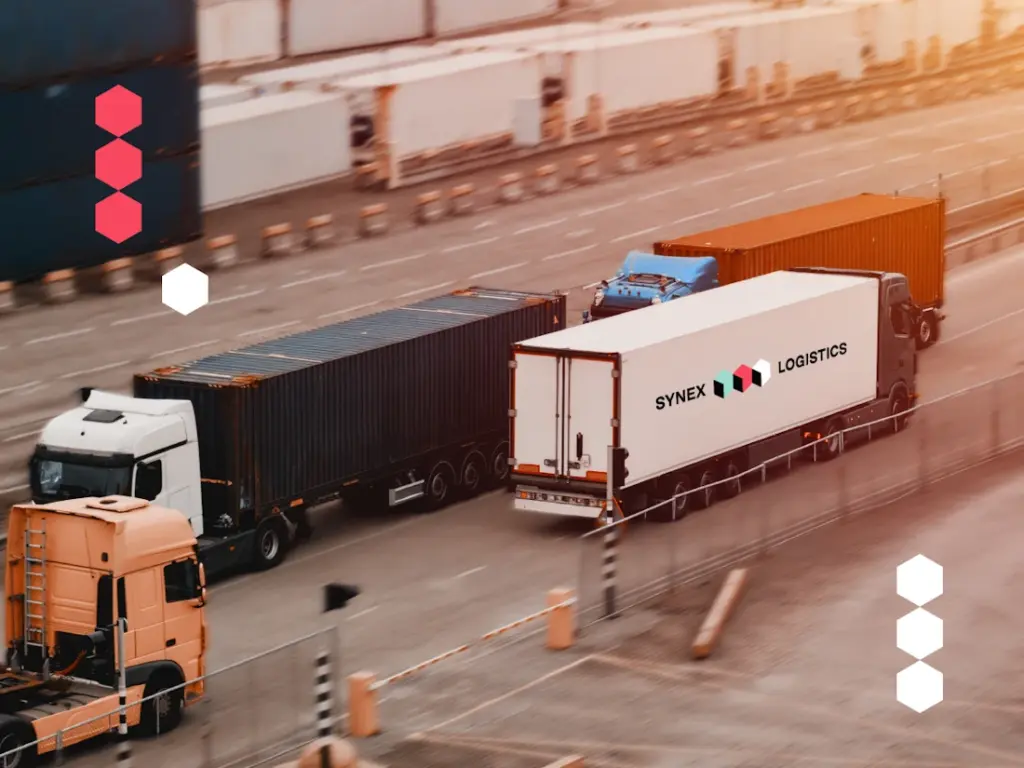
On sea routes, costs are rising due to restrictions in the Persian Gulf and the general increase in transportation prices. Container rates have already surged, which is especially noticeable on routes from Asia and India to Europe, where congestion is causing delays.
The air segment is reacting in a similar way. Airspace restrictions, rerouting, strong demand for alternative delivery channels, and rising aviation fuel costs are pushing prices upward.
The market is losing predictability. Contract rates are being revised, while the spot market reacts instantly to any changes in security or energy conditions. In practice, delivery prices are now determined not only by the market, but also by geopolitics and the cost of energy resources. For sectors such as manufacturing, FMCG, agriculture, and pharmaceuticals, this means unavoidable cost growth and the need to quickly adapt financial plans.
New rules of the game in trade policy and regulatory barriers in logistics
The role of governments in shaping international trade is growing stronger. In particular, new agreements such as EU – Australia and the Canada – India corridor are already changing the architecture of global supply chains, while businesses are gradually adapting to U.S. tariff restrictions and new regulatory initiatives in the maritime sector.
Political risks have now become an integral part of strategic planning. Increased controls, more complex documentation requirements, and special navigation rules in conflict zones are slowing logistics cycles and creating direct threats for key industries: price volatility for FMCG, export restrictions for agriculture, and the risk of raw material shortages for the pharmaceutical sector.
Government regulatory decisions can instantly affect the profitability of transportation and determine access to strategically important markets.
Systemic pressure from energy and resources on global supply chains
The geopolitical crisis around Iran has restricted traffic through the Strait of Hormuz and reduced marine oil supplies, causing shortages of marine fuel on Asian routes and local logistics disruptions. In response, carriers are adjusting routes by delivering fuel from the U.S. and Europe to Asian destinations. At the same time, Saudi Arabia is redirecting part of its oil exports through a pipeline to the western port of Yanbu, while Canada and India are opening new corridors to reduce the risk of price fluctuations.
At the same time, competition for critical minerals is intensifying. Canada is becoming a key supplier, allowing businesses to reduce dependence on high-risk zones. The agricultural sector is feeling this pressure most acutely due to fertilizer shortages and threats to planting campaigns. For the B2B segment, especially in manufacturing and extractive industries, this is driving unpredictable cost increases and the urgent need to revise budgets because of the high energy intensity of logistics.
The instability matrix: from budget shocks to strategic autonomy
In the current situation, business logistics priorities have shifted from cost optimization to ensuring supply chain continuity. For effective adaptation, it is important to assess the threats companies are facing and identify new growth points that help reduce losses and increase resilience.
| Category | Risks / Pressure Factors | Opportunities / Growth Areas |
|---|---|---|
| Finance | War surcharges, rising insurance premiums, volatility in energy prices | Agile logistics, flexible budgeting, planning with price fluctuations in mind |
| Resources and Regulations | Bunker fuel shortages in Asia and tighter customs controls | Supplier diversification and a shift toward more stable regions |
| Geopolitical Vulnerability | Concentration of routes through chokepoints (the Strait of Hormuz, the Red Sea), systemic risks for agriculture and manufacturing | Opening of new corridors (Canada–India), multimodal solutions via Africa |
SYNEX Logistics’ view of risk management as the new foundation of logistics auditing
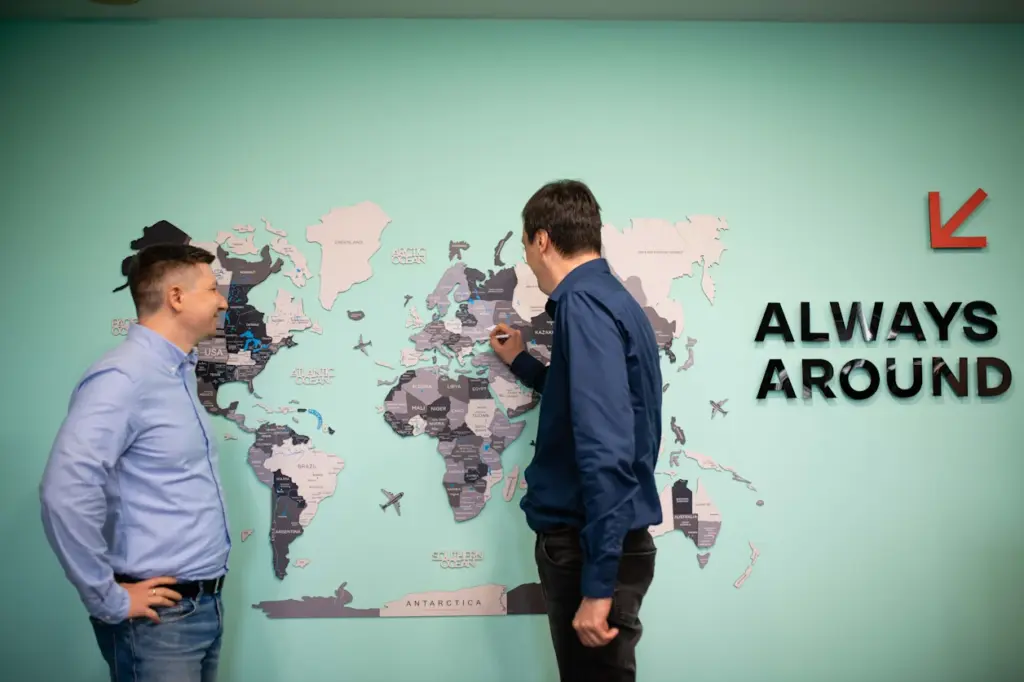
Logistics in 2026 requires rapid adaptation. The ability to switch quickly between delivery channels is becoming more important than long-term contracts. To maintain resilience, businesses should reconsider their approach to logistics auditing:
- Stress testing of supply chains. Checking key sea and multimodal nodes for possible delays or shutdowns makes it possible to identify weak points in advance and prepare alternative routes.
- Flexible financial models. Forecasting spikes in fuel, insurance, and freight costs helps adjust budgets quickly. Planning should include scenarios for geopolitical risks and energy market volatility.
- Inventory monitoring and information control. Constant tracking of fuel, containers, and critical resources, as well as tariffs and changes in the regulatory environment, makes it possible to make decisions faster than the market.
- Analysis of alternatives and integration of risks into planning. Developing backup routes and scenarios for geopolitical developments ensures readiness for sharp cost fluctuations and minimizes the risk of supply disruptions.
Today, logistics management is primarily about working with risks and information. Companies that actively diversify routes, integrate risk scenarios into planning, and develop partnerships with multimodal operators gain a competitive advantage by ensuring continuity of supply even under difficult conditions.