Maritime transportations
Maritime transportations by SYNEX Logistics
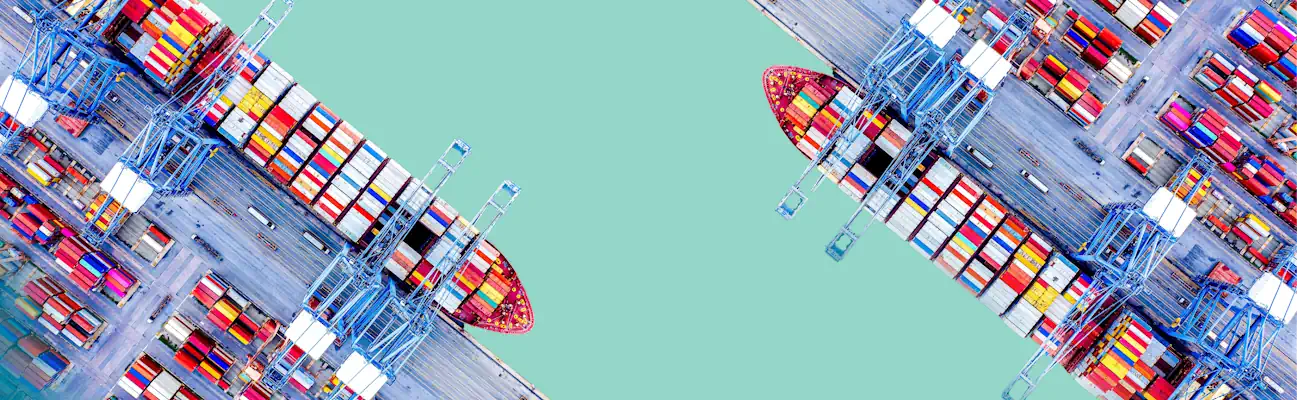
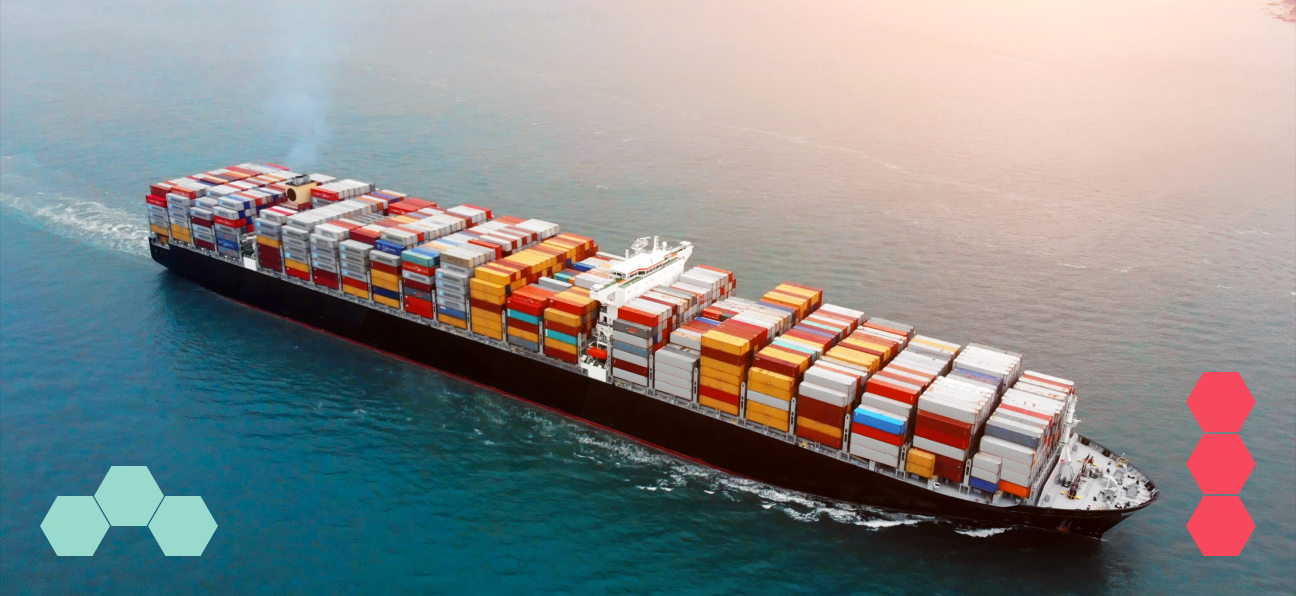
More than 90% of cargoes in the world are delivered by sea, which clearly shows how central maritime logistics is to the global supply chain. At SYNEX Logistics, maritime transportation and logistics is one of our core service areas, built around a strong network of international routes. We handle international sea transportation to major ports worldwide, focusing on solutions that make sense in terms of cost, transit time, and operational reliability.
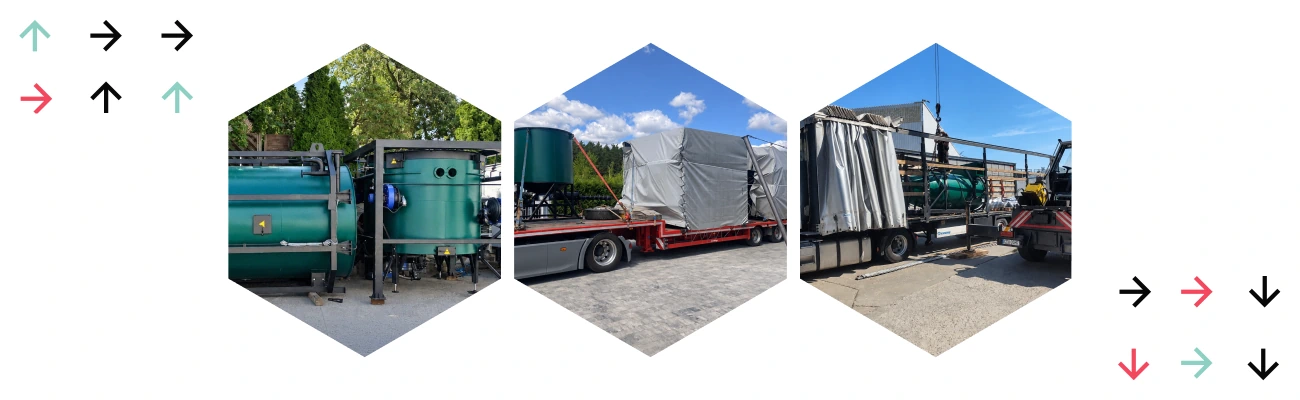
Maritime transportation is a cost-efficient and ecological delivery option used by SYNEX Logistics for FCL and LCL container loads. We fully control delivery processes, including cross-country and cross-customer consolidation, temporary storage, and coordination of cargo transported by sea. Our maritime cargo logistics scope includes dry and refrigerated containers, 20- and 40-foot units, high cube, open-top, and foldable containers.
What opportunities does maritime logistics bring
Well-structured maritime logistics allows businesses to move larger volumes, plan longer horizons, and integrate international trade into stable supply chains. When managed professionally, maritime transport and logistics becomes a strategic advantage rather than just a delivery method. Key opportunities include:
- Large-volume scalability. Goods and cargo transported by sea allow companies to move high volumes in a single shipment, supporting mass production and bulk trade.
Lower cost per unit. Transportation by sea offers one of the lowest cost-to-volume ratios, especially for long-distance and intercontinental shipments. - Global market access. Through international maritime logistics, businesses gain access to major ports, trade corridors, and emerging markets worldwide.
- Cargo diversity. Sea routes support a wide range of shipments, from standard containers to oversized units and transport of dangerous goods by sea under regulated conditions.
- Supply chain predictability. Integrated maritime logistics and supply chain management enables long-term planning with stable schedules and predictable transit windows.
- Multimodal integration. Maritime multimodal transportation connects sea legs with rail and road, ensuring smooth inland distribution beyond the port.
We cover all global destinations:
Main stages of maritime freight forwarding
Maritime freight forwarding follows a clearly defined operational sequence where each stage directly affects cost, transit time, and risk exposure. Proper coordination across these stages is what allows a maritime freight forwarder to maintain control over international shipments and keep transportation by sea predictable and efficient.
Cargo planning and routing
The process begins with cargo analysis, volume calculation, and selection of optimal routes for international sea transportation. Vessel schedules, port restrictions, container types, and consolidation options are aligned within maritime freight logistics.
Documentation and regulatory compliance
All transport documents are prepared and verified to meet customs and carrier requirements for sea transportation. For regulated cargo, including transporting dangerous goods by sea, compliance with international maritime conventions is ensured before shipment.
Cargo handling and port operations
Cargo is delivered to the port, containerized or deconsolidated, and processed through terminal operations as part of maritime cargo logistics. Close coordination with port authorities and terminals minimizes delays during loading and discharge.
Sea transit and shipment monitoring
During transportation on sea, vessel movements are tracked to manage schedules and respond to disruptions. Continuous monitoring is a key element of global maritime logistics, especially on long-haul routes.
Arrival, discharge, and onward delivery
After arrival, cargo is discharged, cleared, and transferred for inland distribution. Where required, maritime multimodal transportation connects the sea leg with needed tranport modes for the last mile deliveries.
If you are planning transportation by sea and need clarity on routing, timelines, or cost structure, SYNEX Logistics can map the entire process before shipment begins. Our team analyzes cargo specifics, ports, and transit options to build a practical maritime transport solution that fits your supply chain.
What is the cost of international sea transportations?
Pricing for international sea transportation is always formed dynamically and depends on multiple variables rather than a single base rate. Even for similar routes, final pricing may vary depending on timing, vessel availability, and shipment parameters.
Key factors affecting the final cost include:
- Cargo volume and weight
- Container type and size (FCL or LCL)
- Route selection and port pair
- Freight market conditions and seasonality
- Vessel schedule and transit time
- Type of cargo, including transport of dangerous goods by sea
- Port charges and terminal handling fees
- Documentation and compliance requirements
- Need for consolidation or deconsolidation
- Inland legs within maritime multimodal transportation
- Insurance coverage level
- Fuel surcharges and carrier adjustments
SYNEX Logistics can facilitate your business on an international scale with maritime transportation! Contact us now and find out the terms of cooperation.
WE ARE TRUSTED


































FAQ
People and warehouse operations are at the core of 3PL. And we understand this like no one else. SYNEX LOGISTICS is a part of Eclectic Talent Group, a leading outsourcing provider both on the Ukrainian and global markets.
That is why we have been working on warehouse processes and managing warehouse staff since 2009 year.
We have a risk management process for each customer. Certain guarantees, including the insurance can also be provided on an individual basis. At the moment, all SYNEX LOGISTICS customers are covered by Freight forwarder’s liability insurance in the amount of UAH 4,000,000 per each insured event.
We have experience in transporting various types of cargo by road transport: oversized, valuable, excisable and ADR cargo, food products, pharmaceutical and medical products.
Because by contacting us, the customer forgets about any logistics issues: transportation of cargo, their storage and packaging, obtaining necessary permits and paperwork.
The complex of such services is called Third-party logistics (3PL).