Transportation of Perishable Goods Over Long Distances
Transporting perishable goods over long distances is a challenging task, but it can be managed with the right organization. In this article, we will discuss the entire process of transporting this category of goods, from preparing the cargo and choosing the transport to maintaining transport parameters and ensuring timely delivery. You will learn about the technologies and multimodal routes that help preserve quality and avoid losses. This material will be useful for manufacturers and sellers planning to expand their supply zones and want to do so safely and efficiently.
How Perishable Goods Differ from Regular Goods
Perishable goods are a distinct category of products with their own rules and increased risks. The main difference is that time works against you from the very first moment. For example, a 24-hour delay in the delivery of household chemicals may be inconvenient but not critical, while for products with a limited shelf life, it could mean direct losses. Moreover, these losses are not always immediately visible, as the goods may arrive “visually normal,” but lose their shelf life, properties, or market appearance when placed on the shelf. This is especially relevant for goods being imported to other countries, where even slight delays can cost partnership contracts and damage reputations.
Additionally, perishable goods exist within a narrow range of parameters such as temperature, humidity, ventilation, and lighting. Any deviation, even briefly, triggers irreversible processes, so tracking and recording these parameters are crucial throughout the entire journey.
Human factors also play a significant role. Loading in the open air, delays on ramps, unprepared warehouses, or errors in documentation directly impact the quality of the goods. The cost of mistakes is much higher here, so it is important not to cut corners but to do everything reliably and predictably.
How Long-Distance Transportation of Perishable Goods Became Feasible
Just 10-15 years ago, the idea of sending fresh products or sensitive goods over thousands of kilometers seemed like a risky venture. Today, however, it is a standard practice when approached systematically. This has become possible thanks to:
-
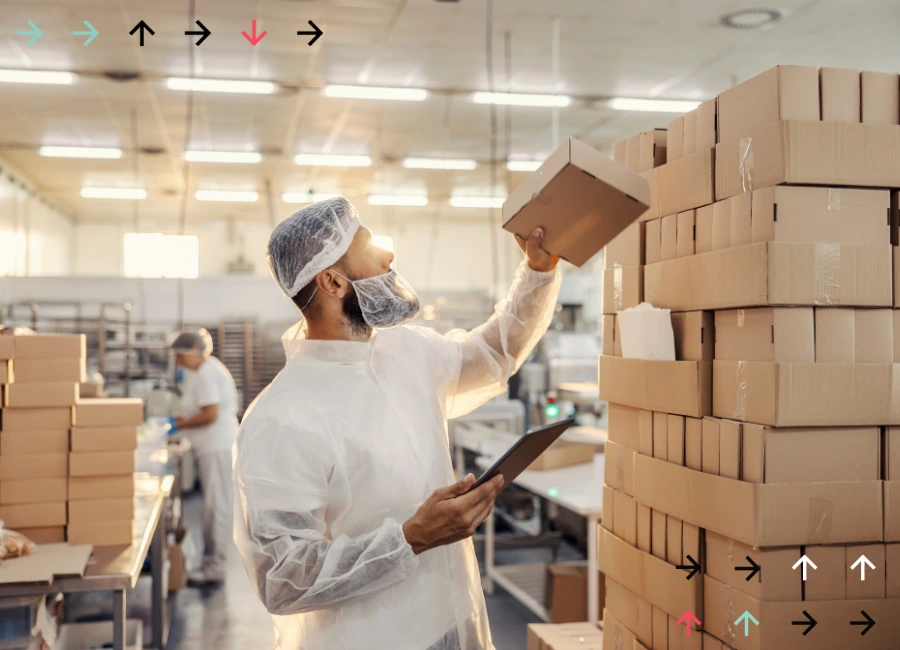
Monitoring Technologies. Modern refrigerated containers and vehicles are equipped with systems that precisely regulate temperature zones, provide online monitoring, and send notifications about any malfunctions. This allows tracking every step of the journey and responding quickly to deviations.
-
Development of Multimodal Routes. A combination of road, rail, and sea transportation optimizes distances, delivery times, and costs while maintaining the required conditions. The route may be more complex, but it is easier to manage.
-
Standardization of Processes. Clear SOPs, loading and unloading regulations, personnel training, and synchronized schedules at warehouses reduce risks. When each participant in the chain knows their role, long distances are no longer a problem.
-
A Systematic Business Approach. Logistics is increasingly seen as part of the product, not just a supporting function. Companies consider the real logistics capabilities when planning market expansion: they analyze delivery times, test routes, and calculate allowable losses.
What Goods Are Considered Perishable
Perishable goods are products where time and transportation conditions are crucial. This category does not only include food but a wide range of sensitive goods.
Food Products
This is the most obvious and diverse category. It includes fresh and chilled food items such as dairy products, meat, fish, semi-finished products, confectionery, fruits, and vegetables. Even within a single category, requirements can vary greatly, as some products cannot tolerate freezing, others may be sensitive to temperature fluctuations, while others may be damaged by excessive humidity. Therefore, there are no universal solutions.
Pharmaceutical and Medical Products
Medicines, vaccines, dietary supplements, and medical consumables belong to the category of goods with high transportation requirements. Many of them are sensitive to light, vibrations, and storage periods. It is essential to maintain the correct conditions, record temperature and other parameters, and ensure full traceability to guarantee the safety and quality of pharmaceutical products.
Chemical and Industrial Materials
This is a less obvious but essential category. Paints, glues, reagents, cosmetic raw materials, and materials with active components can lose their properties if exposed to overheating, freezing, or prolonged transport. Although they are not always formally considered “perishable,” they require the same careful logistical approach.
Flowers and Other Sensitive Goods
This category includes live plants, cut flowers, saplings, as well as natural products without preservatives and stabilizers, such as plant-based cosmetics, natural candles, organic products, and items with limited shelf life. These goods are highly sensitive to time, as even with correct temperatures, delays of just a few hours can significantly reduce their commercial value.
Typical Process for Transporting Perishable Goods
Transporting goods with a limited shelf life is a step-by-step, controlled process where every detail and every stage impacts the outcome.
Preparing the Cargo and Choosing a Transport Solution
The process begins long before shipment. First, the nature of the cargo and its transportation requirements are evaluated. Then, the appropriate transport solution is selected, such as refrigerated trucks, specialized rail containers, or multimodal routes. Simultaneously, packaging and palletizing are prepared to protect the goods, ensure uniform air circulation, and provide access to monitoring sensors. During this stage, documents, temperature profiles, and contingency plans are also coordinated.
Maintaining Conditions During the Journey
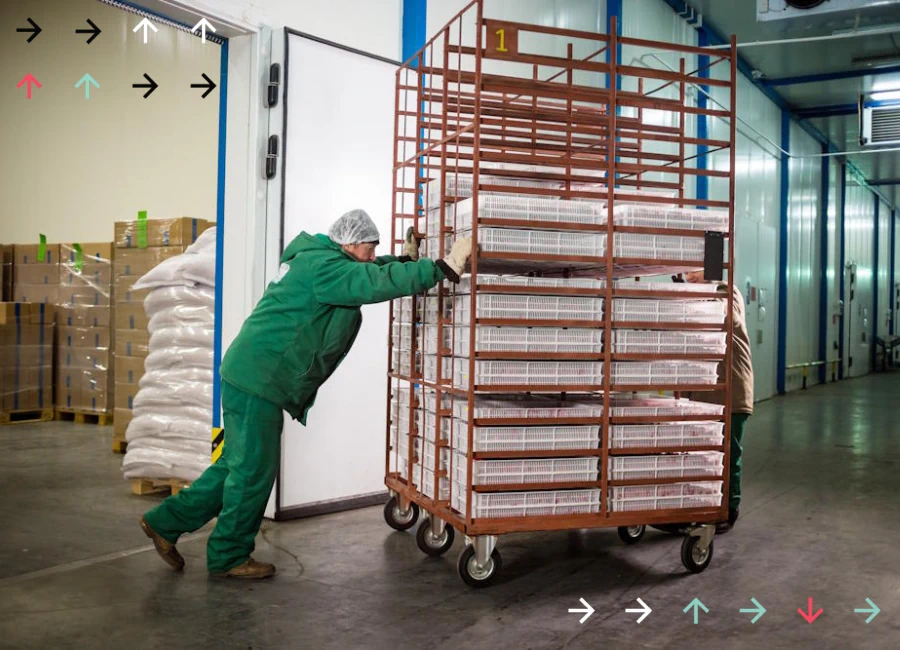
Once the goods are sent, the focus shifts to maintaining the conditions. The transport with cooling systems ensures that the required temperature regime is maintained throughout the journey, including overnight stops, transshipment points, and transfers between transportation modes. Compliance with loading and unloading standards ensures smooth and efficient operations: minimal door openings on refrigerated containers, prepared ramps, and personnel who know the exact procedure.
Monitoring Deadlines and Condition of the Goods
Every stage — shipping, transfers, border waits — is closely monitored to meet deadlines. Temperature and humidity sensors, GPS trackers, and notification systems immediately detect changes, allowing operators to take corrective actions. Upon arrival, the goods are inspected and compared to tracking logs to verify whether the actual conditions match the required ones and if any violations occurred. This is crucial for maintaining product quality and for dealing with partners and insurers in case of claims.
Technologies for Loss-Free Transportation of Perishable Goods
Modern delivery of perishable goods relies on technologies that provide businesses with control at every stage:
-
IoT Sensors – Monitor temperature and humidity in real-time, alerting to deviations before the quality starts to deteriorate.
-
Online Tracking and Telematics – Provide the exact location of the goods, transit times, and possible delays.
-
Analytics and Risk Forecasting – Minimize downtime and temperature failures, optimizing routes based on weather conditions.
-
Modern Refrigeration Systems – Maintain a stable temperature and quickly restore it after opening doors.
-
Warehouse Automation – Speeds up loading and unloading, reducing the risk of breaching critical parameters.
-
Logs and Reports – Record every movement step, help analyze route efficiency, and confirm compliance with standards.
SYNEX Logistics’ Practice in Transporting Perishable Goods
SYNEX Logistics is an international 3PL operator with experience in complex contractual logistics for perishable and sensitive goods. The company ensures compliance with temperature requirements, deadlines, and documentation throughout the entire journey.
A prime example is the transportation of 5 tons of controlled Class A medicines from India to Ukraine. The cargo flew directly to Poland and then traveled by truck to Ukraine under the escort of Polish and Ukrainian police, with full permit processing and adherence to international pharmaceutical transportation standards.
The company organizes regular shipments between Europe, Asia, and Central Asia and provides a full service, including collection from the sender, processing, storage, and transportation, considering the characteristics of the goods and cold chain requirements. This allows for the swift delivery of fresh products and delicate cargo with full quality control.
The Synex Logistics team handled full-cycle logistics for transporting an oversized BFS machine worth €2 million. The service included specialized transport, pickup, delivery to the Port of New York, sea freight to Poti, rail transport, and final delivery to Tashkent. The cargo was insured at every stage. We arranged full-cycle logistics for transporting boats in a 45’ DRY containers. The service included pickup from the client’s warehouse, delivery to the Port of Gdańsk, sea freight to Chicago, customs clearance at arrival, and final delivery to the consignee in Jackson. Synex Logistics ensured the safe and compliant delivery of nearly 5 tonnes of Class A controlled medical substances: tramadol, morphine, and diazepam. The multimodal route included air freight to Poland and road transport to Ukraine under official police escort. Organized the delivery of hazardous cargo — a generator weighing over 30 tons. Arranged the transportation of an industrial machine component in need of repair. The part was sent from Ukraine to China, with subsequent delivery back to the customer in Ukraine. Just a week before New Year’s, the SYNEX Logistics team organized the transportation of LED screens from Shenzhen (China) to Astana (Kazakhstan) in a record 10 days. Thanks to careful organization, the project of transporting tires for equipment used in stone quarries was executed efficiently and on time. The cargo was shipped from Japan in open-top containers, ensuring safe and efficient transportation. At the Port of Gdansk, the tires were transloaded onto specialized transport for final delivery to Ukraine. We transported several batches of oversized cargo — cranes and excavators. The route included loading into flat rack containers in China, repacking at the Port of Gdynia (Poland), and subsequent transportation to Ukraine. All stages were carefully coordinated to ensure safe and timely delivery.
CASE STUDIES
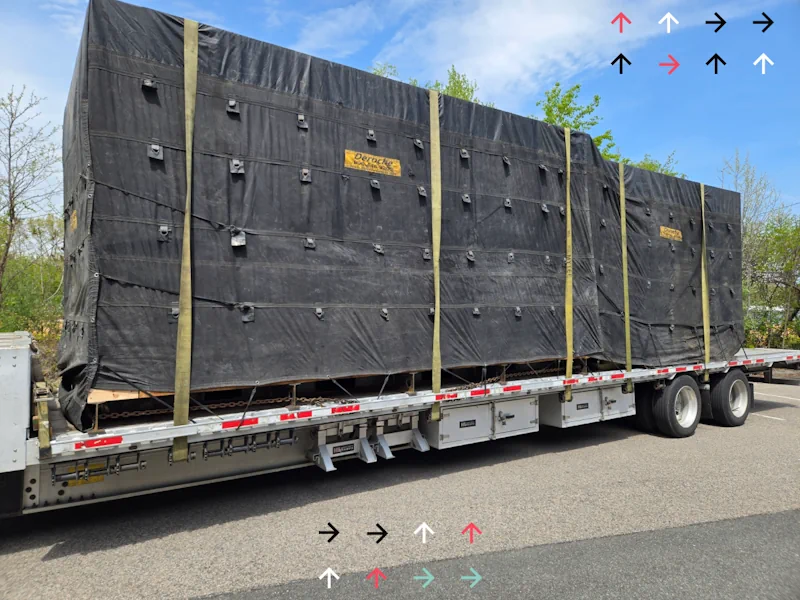
Transportation of Blow-Fill-Seal Machine
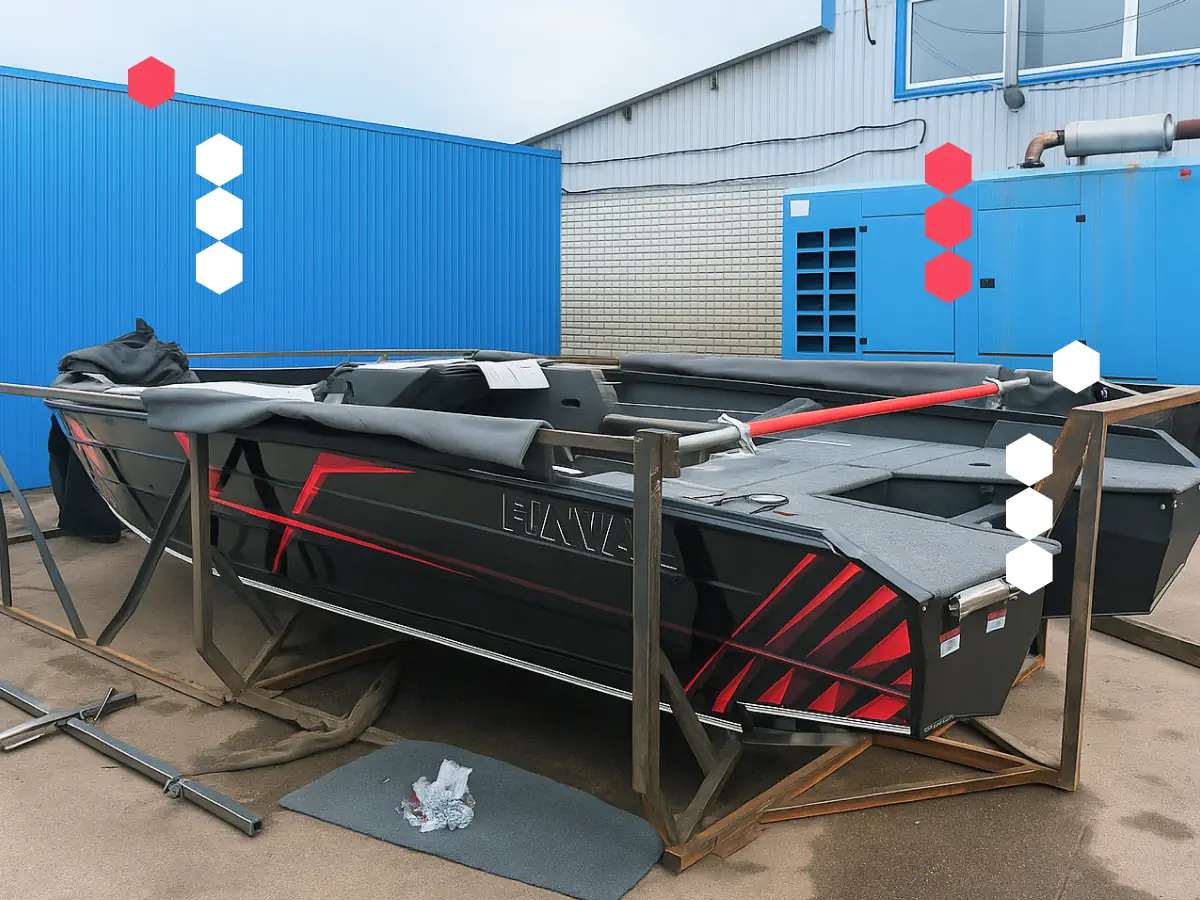
Transportation of Boats
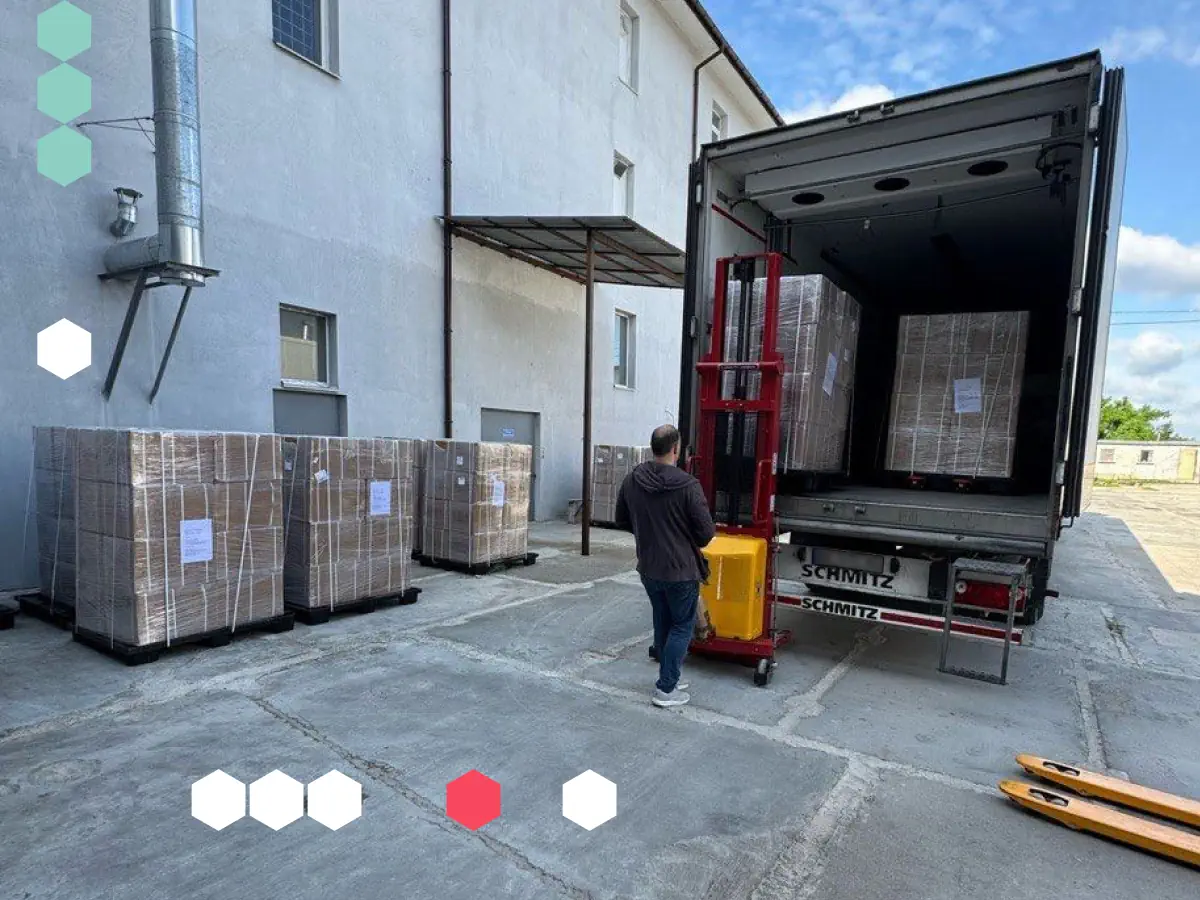
Transportation of Controlled Medications
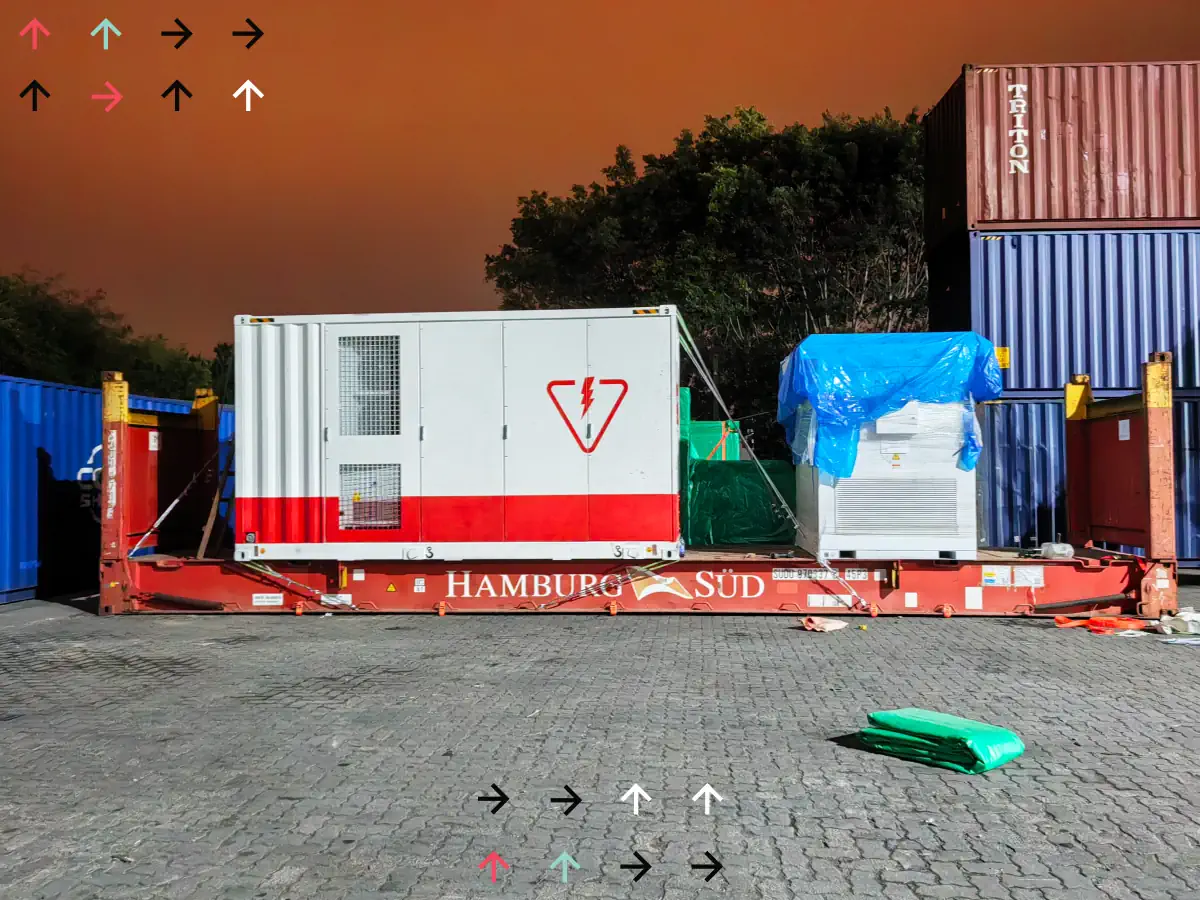
Generator with an inverter (ADR class 9)
The transportation was carried out in a flat rack container from China to Ukraine, with repacking at the port of Romania.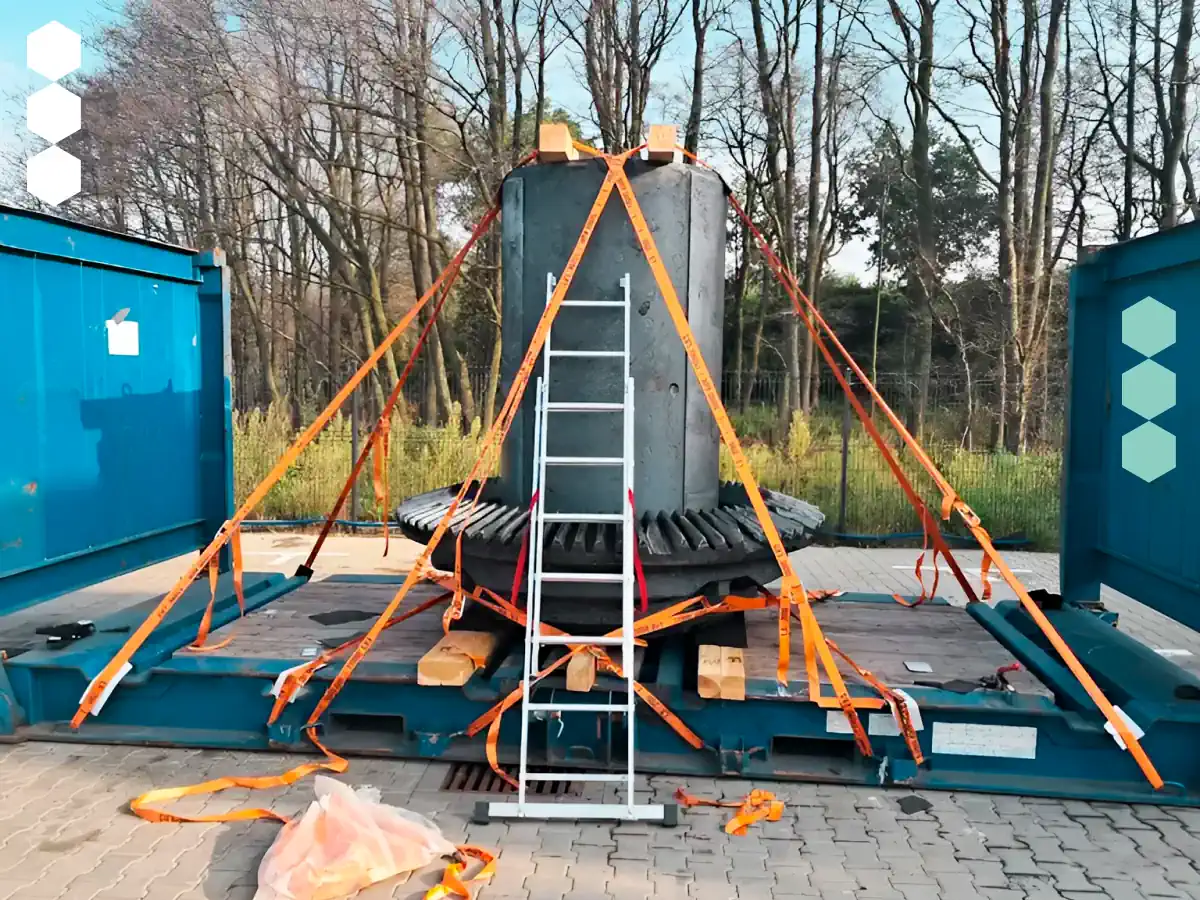
Export/import of part of an industrial machine
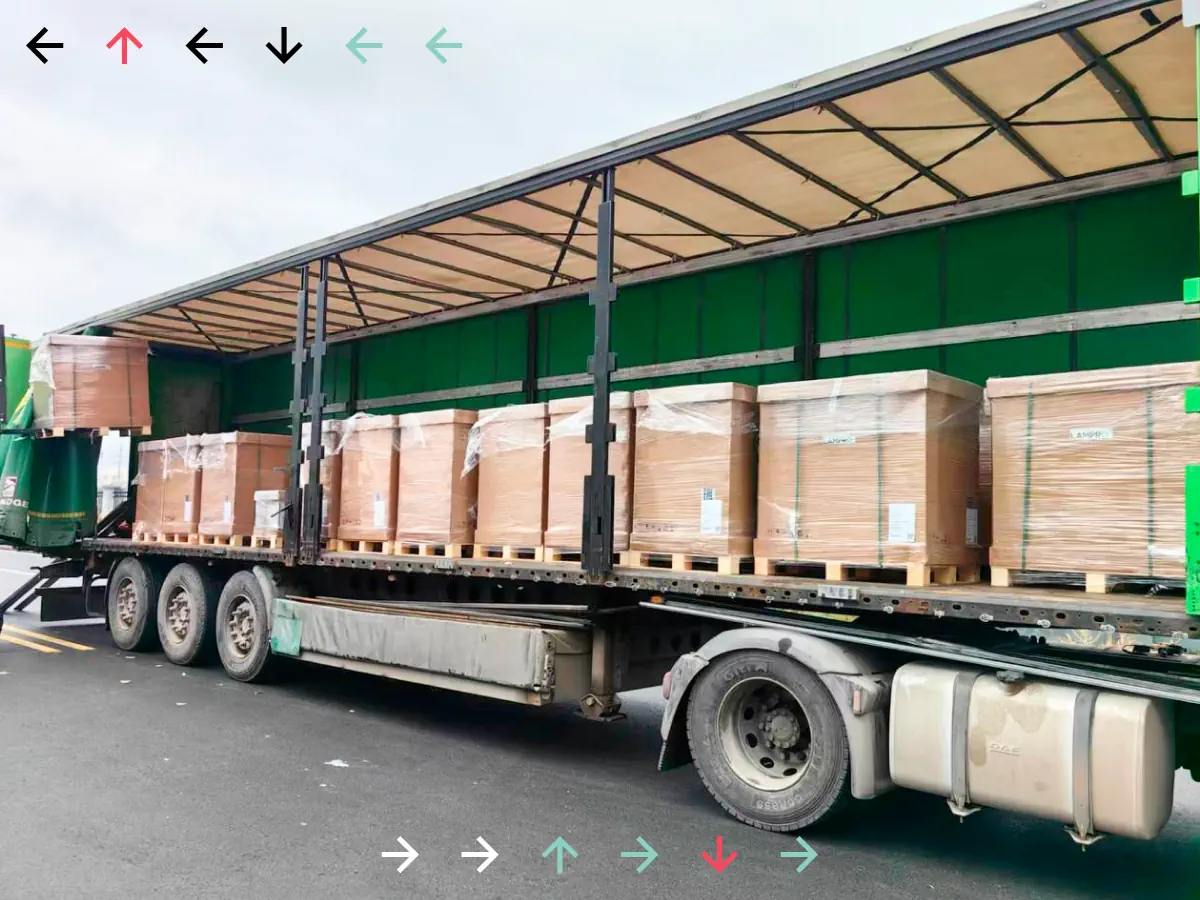
LED screens — Import in high season
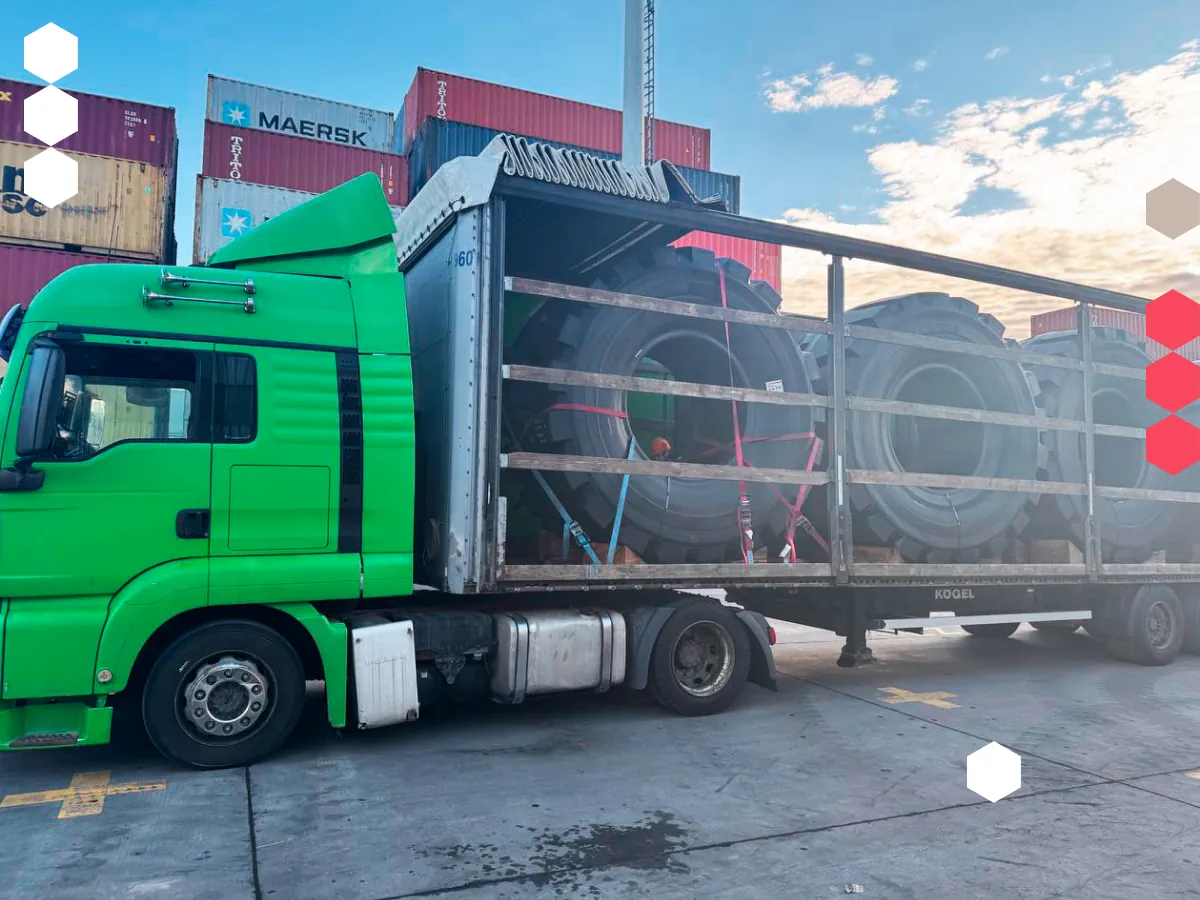
Tires for heavy equipment (OOG cargo)
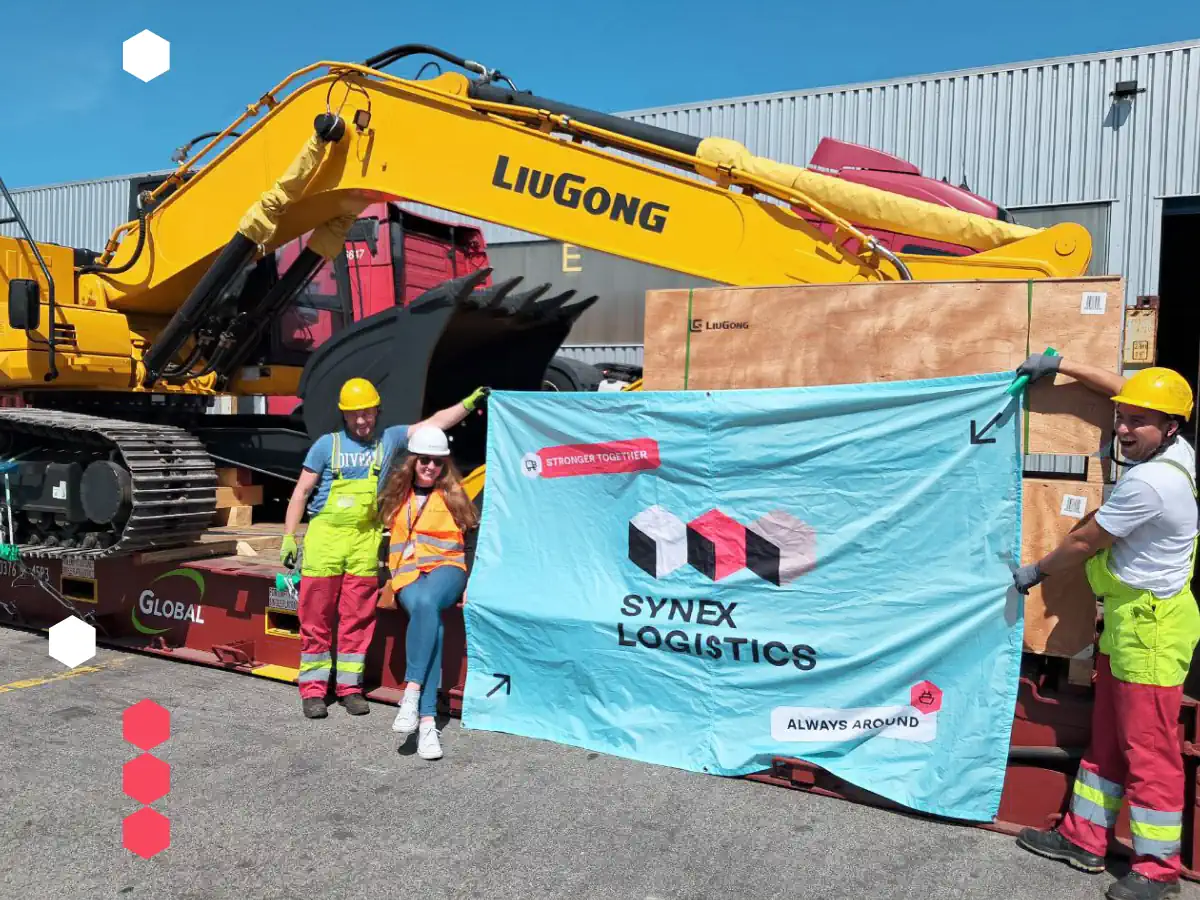
Transportation of construction equipment
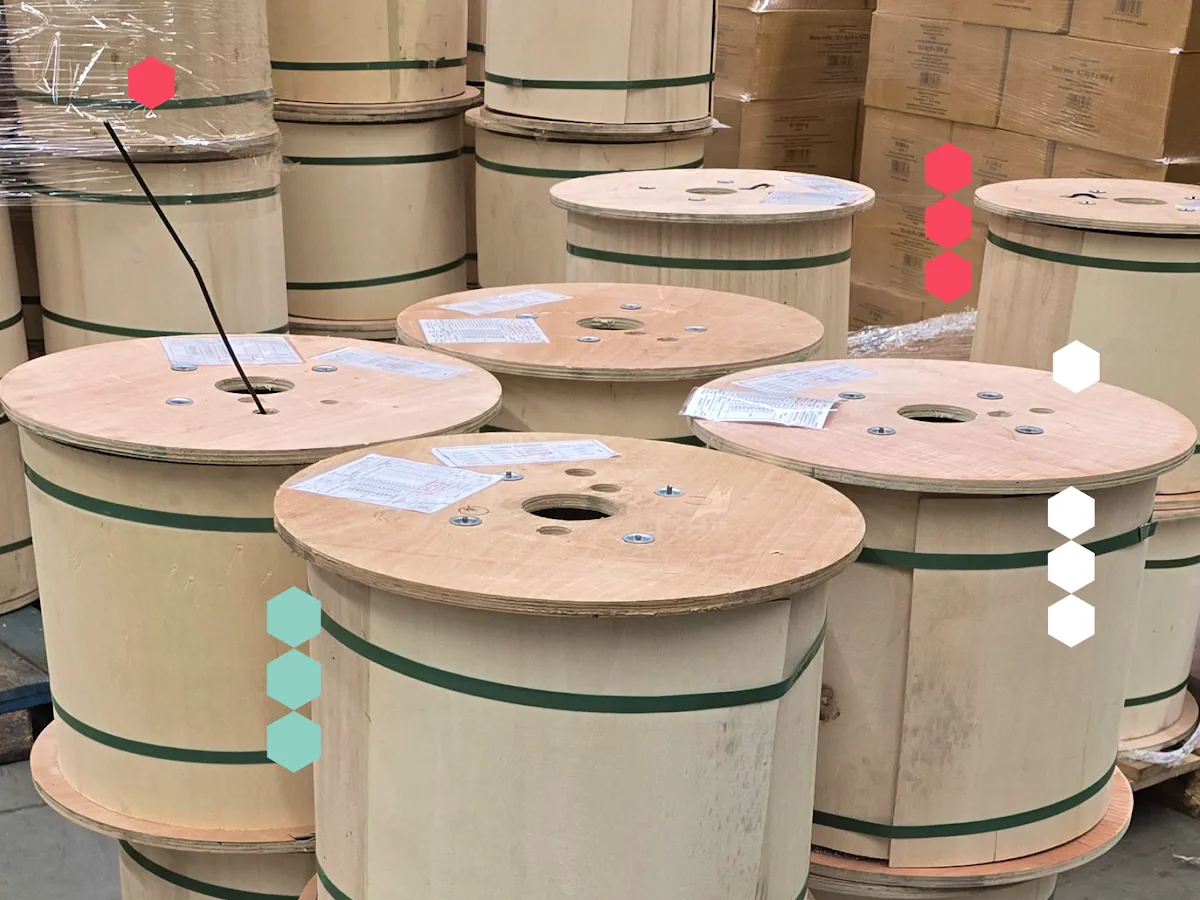
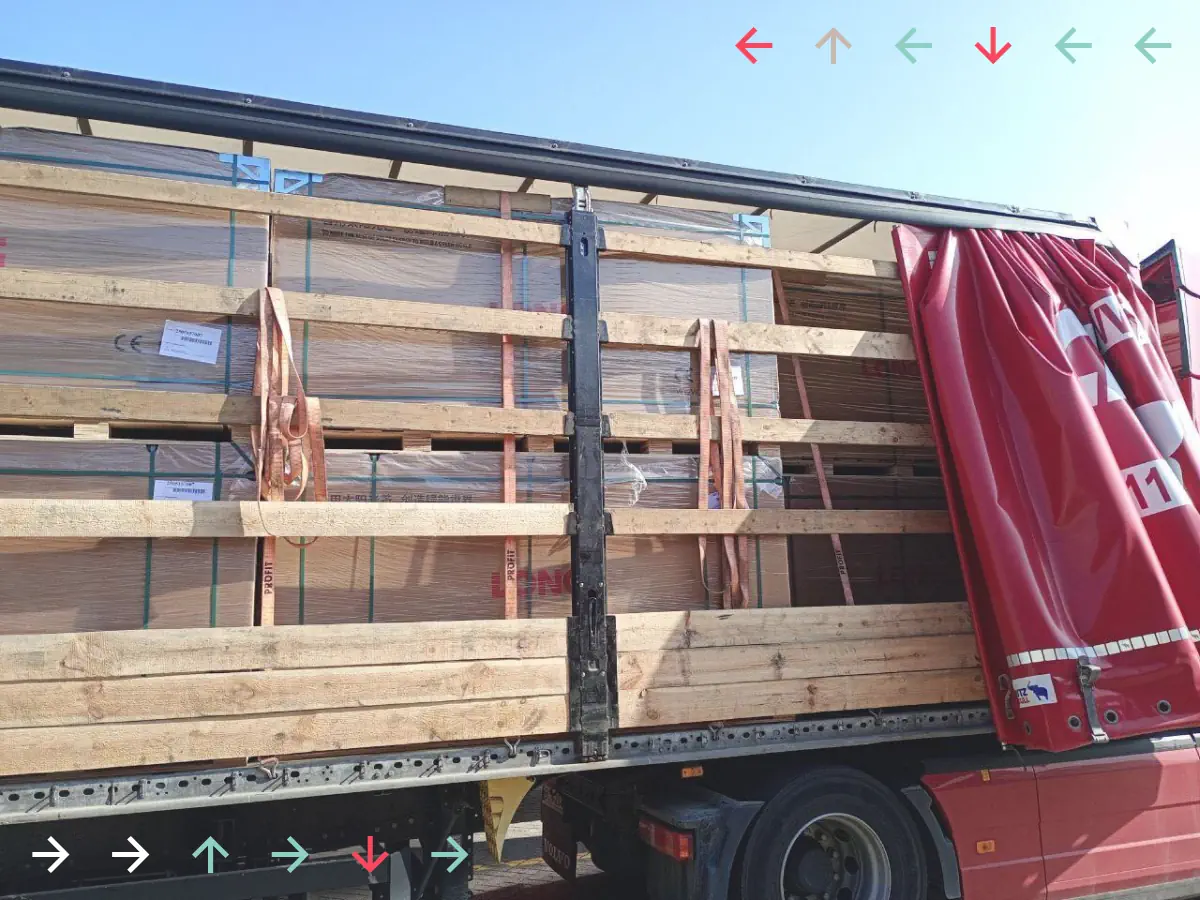
Do you want your products to reach your customers fresh and without losses? Contact SYNEX Logistics – the company’s specialists will select the optimal route and delivery technology for your cargo.
Conclusions
Perishable goods require a special approach and do not forgive attention to detail. There is no room for compromise here — the process must be built correctly, or losses are inevitable. Long-distance routes require careful planning, responsibility at every stage, and partners who can manage risks rather than reacting to them after the fact. When logistics operates as a unified system, distance ceases to be a limitation and becomes a growth point for the business. This approach allows companies to enter new markets without compromising quality and customer trust.