Top 5 Importing Countries from Ukraine
Ukrainian goods have long attracted the attention of foreign buyers and remain one of the key sources of agricultural products, raw materials, and industrial goods on global markets. Let us examine what makes Ukrainian products attractive for import and which countries lead in terms of purchase volumes. This article will be useful for businesses seeking to expand their sales geography and efficiently organize international shipments.
Contents:
- What makes goods from Ukraine attractive for import
- How the full-scale invasion changed exports from Ukraine
- Leading countries importing goods and raw materials from Ukraine
- Top importing countries from Ukraine: SYNEX Logistics experience
- SYNEX Logistics will help open new sales markets
- Conclusions
What Makes Goods from Ukraine Attractive for Import
The backbone of Ukraine’s exports is the agricultural sector. Global markets are consistently supplied with grains, oilseeds, sunflower oil, honey, and sugar. In the first half of 2025, agricultural exports exceeded USD 11 billion, accounting for more than 57% of total foreign sales. This guarantees importers reliable supplies and comprehensive shipments from a single supplier.
A significant share of exports is also provided by metals and metallurgy, particularly iron ore and steel. The share of mechanical engineering is growing as well, including equipment, cables, and electrical products. Finished and processed goods are also in demand — from food products and wine to furniture and sawn timber. Such diversification indicates an expanding product structure and a gradual entry into new markets.
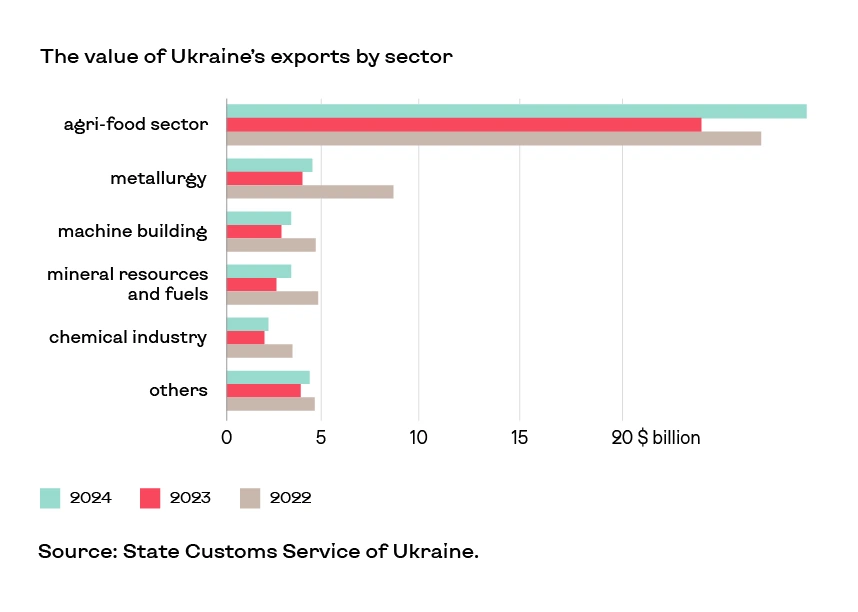
The resumption of port operations and the intensification of maritime freight transport also support international trade. Stable transport corridors and established infrastructure maintain high shipment volumes—over USD 41 billion in 2024. Broad geographic coverage — the EU, Asia, the Middle East, and North Africa — ensures flexibility and rapid adaptation to demand fluctuations.
Thanks to production scale, product diversity, competitive prices, and predictable logistics, Ukraine remains one of the most attractive suppliers on the global market.
How the Full-Scale Invasion Changed Exports from Ukraine
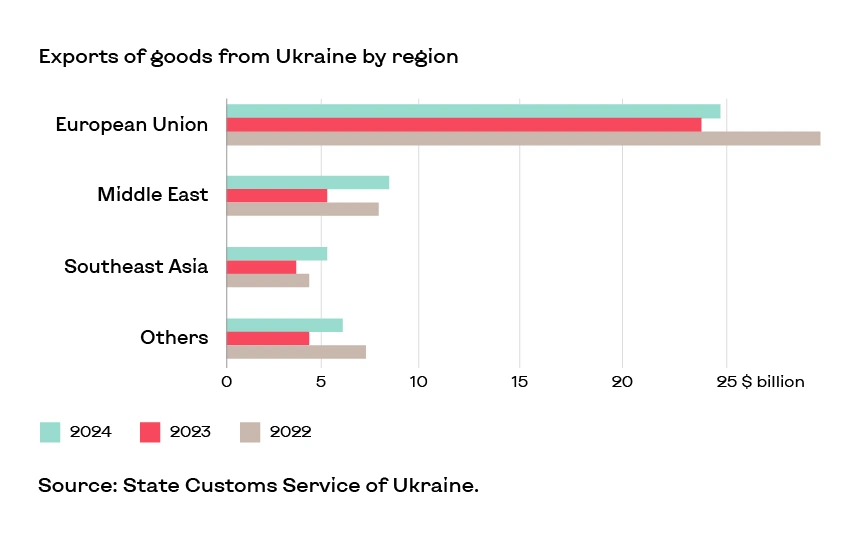
The full-scale invasion in 2022 became a powerful shock to Ukraine’s economy and trade. Overseas shipments were suddenly under threat. Seaports were blocked, logistics corridors disrupted, and many enterprises were forced to suspend operations. This situation compelled suppliers to quickly reorient toward rail and road freight via western borders, primarily to Poland, Romania, and Slovakia. As a result, the EU became the dominant consumer of Ukrainian products.
The export structure also changed. Agri-food products came to the forefront, while metallurgical and industrial goods moved to the background. At the same time, the introduction of “grain corridors” and the development of multimodal routes made it possible to gradually restore shipment volumes and ensure international transportation of large consignments even under challenging conditions. The invasion forced Ukrainian companies to act swiftly, seek new markets, and adapt routes.
Leading Countries Importing Goods and Raw Materials from Ukraine
In 2024–2025, Ukraine shipped 46.7 million tons of grains and oilseeds to foreign markets. In monetary terms, revenues increased to USD 11.2 billion compared to USD 10.76 billion in 2023–2024. These figures confirm that Ukrainian goods remain in demand, while the export structure demonstrates high diversity—from agricultural products to metallurgical and industrial goods.
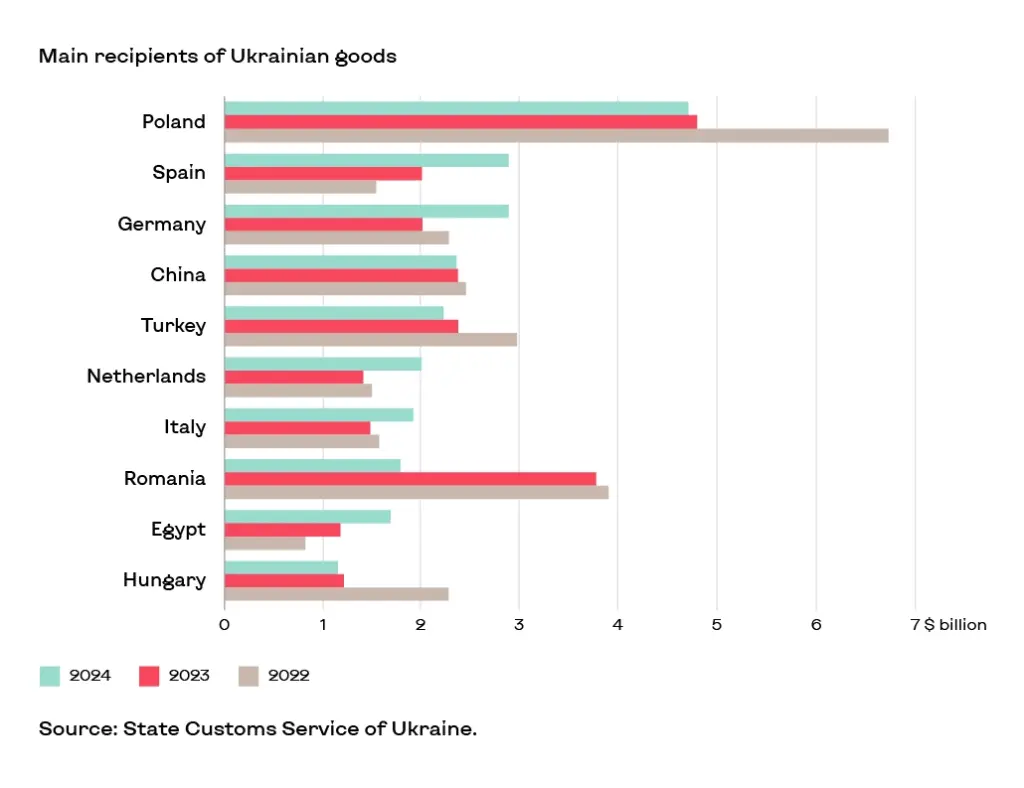
Poland
This western partner has led the list of the largest importers of Ukrainian goods for many years. In 2024, shipment volumes reached nearly USD 4.7–4.9 billion, accounting for over 11% of total exports. Poland mainly imports Ukrainian grains and oilseeds, metallurgical products, as well as timber and wood products. This product mix fits well into the country’s economy, where agriculture, processing industries, and construction are actively developing.
Spain
Spain ranked second in terms of growth in imports of Ukrainian goods in 2024, with volumes of approximately USD 2.86–2.9 billion. Corn remains the key import item, as the country has one of the largest livestock sectors in the EU. Sunflower oil and oilseed processing products, particularly meal, also account for a significant share. Steady demand for Ukrainian food products helps Spain maintain food security and optimize production costs.
Germany
Germany holds third place among importing countries of Ukrainian goods, with USD 2.8–2.84 billion in 2024. The German market is one of the most diversified. Rapeseed and other oilseeds are consistently purchased for biofuel and food production. Ukrainian-made components are also in high demand—a segment that has been actively developing in recent years. Another strong area is ferrous metals and ferroalloys used by German machinery and automotive industries. Well-established logistics with Germany ensure stable cooperation even during turbulent periods.
China
Among non-European markets, China remains a key partner. In 2024, exports to China amounted to USD 2.39 billion, representing 5.7% of total exports. The greatest interest traditionally lies in raw materials — iron ore, corn, and barley for the feed sector, as well as sunflower oil. The Chinese market values Ukrainian products for large shipment volumes, stability, and competitive cost, which is crucial for the country’s large-scale processing and food industries.
Turkey
This strategic destination generated USD 2.21 billion in revenues. Turkish companies traditionally purchase Ukrainian wheat, corn, and barley, which form the basis of the bakery and feed industries. Another major segment is sunflower oil and meal, as Turkey has strong demand for vegetable oils and processed products. Metallurgical products — pellets and semi-finished goods such as slabs, blooms, and pig iron billets—also account for a significant share. Convenient Black Sea logistics and the large Turkish domestic market make cooperation stable and strategically important for both sides.
Top Importing Countries from Ukraine: SYNEX Logistics Experience
SYNEX Logistics helps Ukrainian companies deliver products to international markets by organizing multimodal transportation. Below are examples of key export destinations that the company supports on a regular basis.
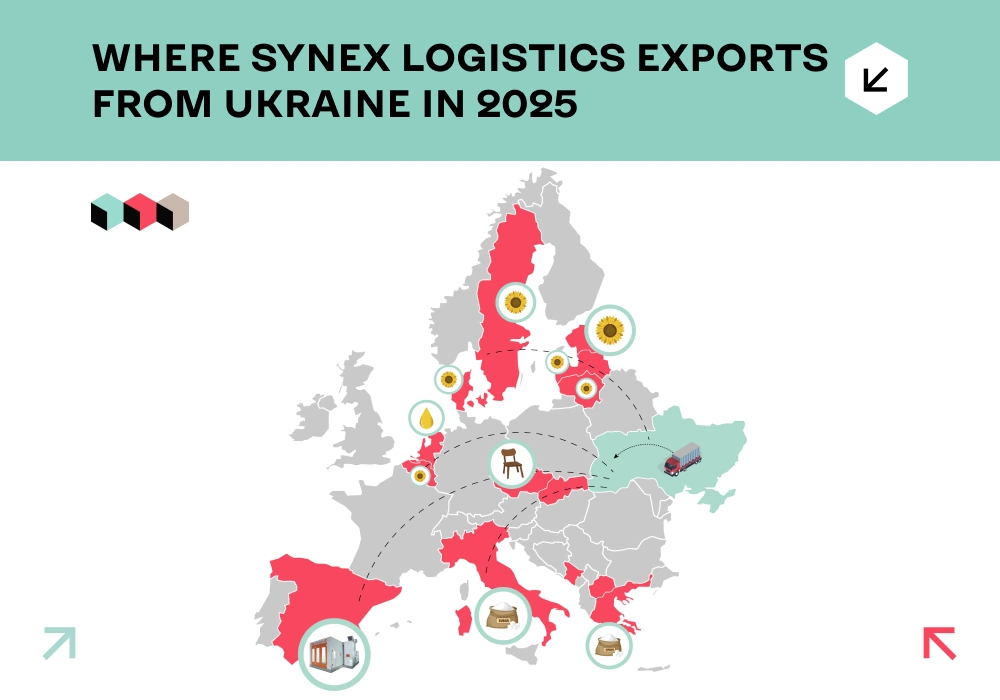
North Macedonia, Greece, Italy, Montenegro
Sugar from Ukrainian producers is shipped to these countries. SYNEX Logistics organizes deliveries of both bulk and packaged products. Sugar requires special care—it is sensitive to moisture and sudden temperature changes, so shipments are transported in sealed containers in compliance with storage standards. This ensures preservation of the crystalline structure and product quality for confectionery and food companies.
Lithuania, Latvia, Estonia, Denmark, Sweden, Belgium
Shipments of sunflower, soybean, and rapeseed oil to these countries are organized both in tankers and as packaged products. The key requirement for these cargoes is temperature control and protection from light to preserve taste and nutritional properties. In addition, harvest seasonality determines shipment schedules and batch volumes, making multimodal route planning critically important.
The Netherlands
Lecithin is delivered to the Netherlands in heated tankers. This specialized cargo is widely used in the food and pharmaceutical industries. High-temperature control during transportation prevents solidification and quality loss. SYNEX Logistics’ solutions include precise route and equipment selection, ensuring product integrity under any weather conditions.
Spain, Slovakia
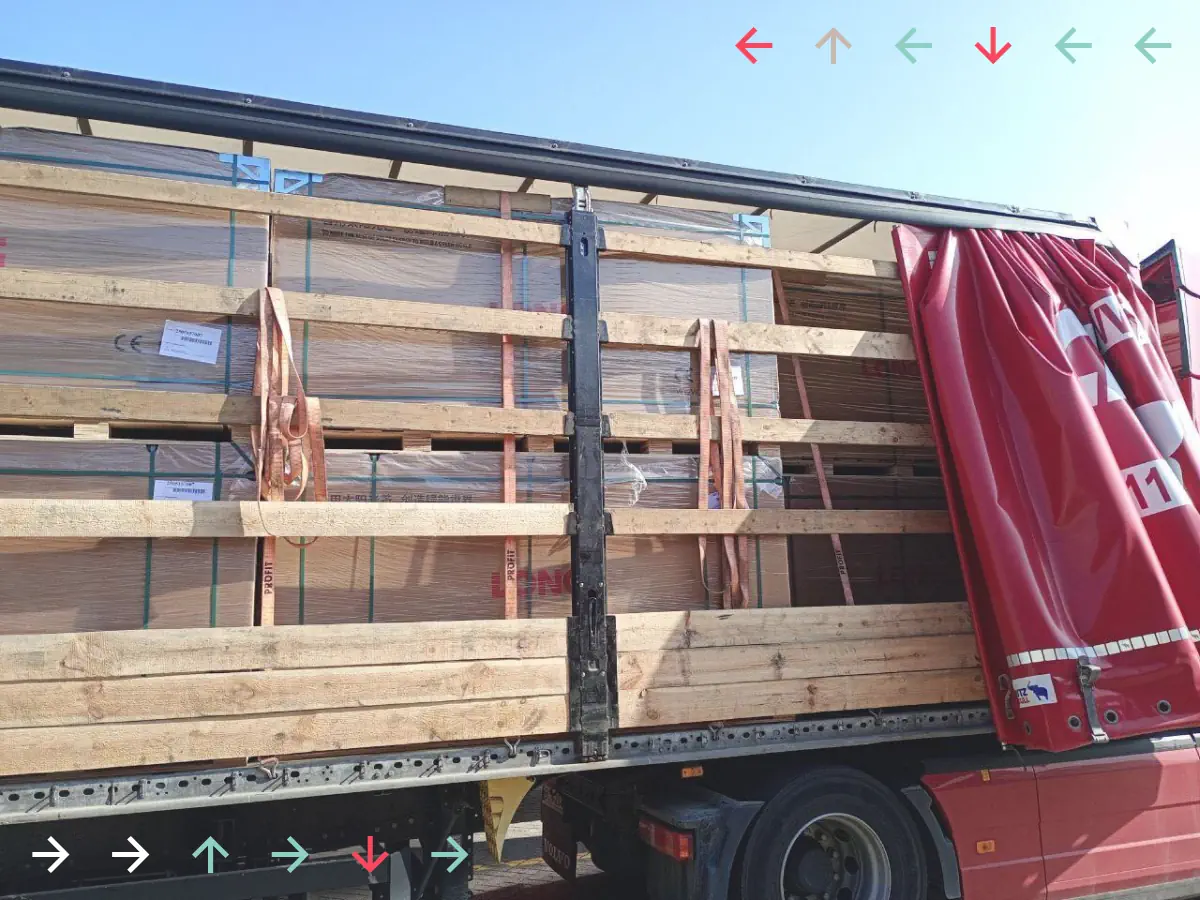
The company ships painting equipment, including spray booths, to these countries. These are bulky and delicate cargoes that require special fixation and cushioning during transport. Such logistics ensure safe delivery for construction and manufacturing companies, allowing them to receive modern equipment without damage.
Czech Republic
Painting equipment is also delivered to the Czech Republic, along with Ukrainian furniture products. Furniture requires special packaging and protection from moisture and mechanical damage. SYNEX Logistics organizes transportation taking into account dimensions, material types, and cargo composition, enabling manufacturers to strengthen their brands in the European market and open additional sales channels.
SYNEX Logistics Will Help Open New Sales Markets
SYNEX Logistics offers Ukrainian businesses comprehensive solutions that enable efficient entry into new foreign markets. The company develops optimal routes, organizes multimodal transportation, provides customs brokerage services, and manages inventories — significantly simplifying foreign trade processes for manufacturers. Thanks to an extensive network of ports and logistics corridors in Europe and beyond, SYNEX Logistics ensures timely and reliable delivery of products to various countries, including both bulk shipments and packaged goods.
This approach allows companies to focus on production development and marketing rather than logistical complexities, opening new sales opportunities without unnecessary risks or delays. With professional support and flexible solutions, SYNEX Logistics becomes a reliable partner for those seeking to expand their presence in international markets.

CASE STUDIES
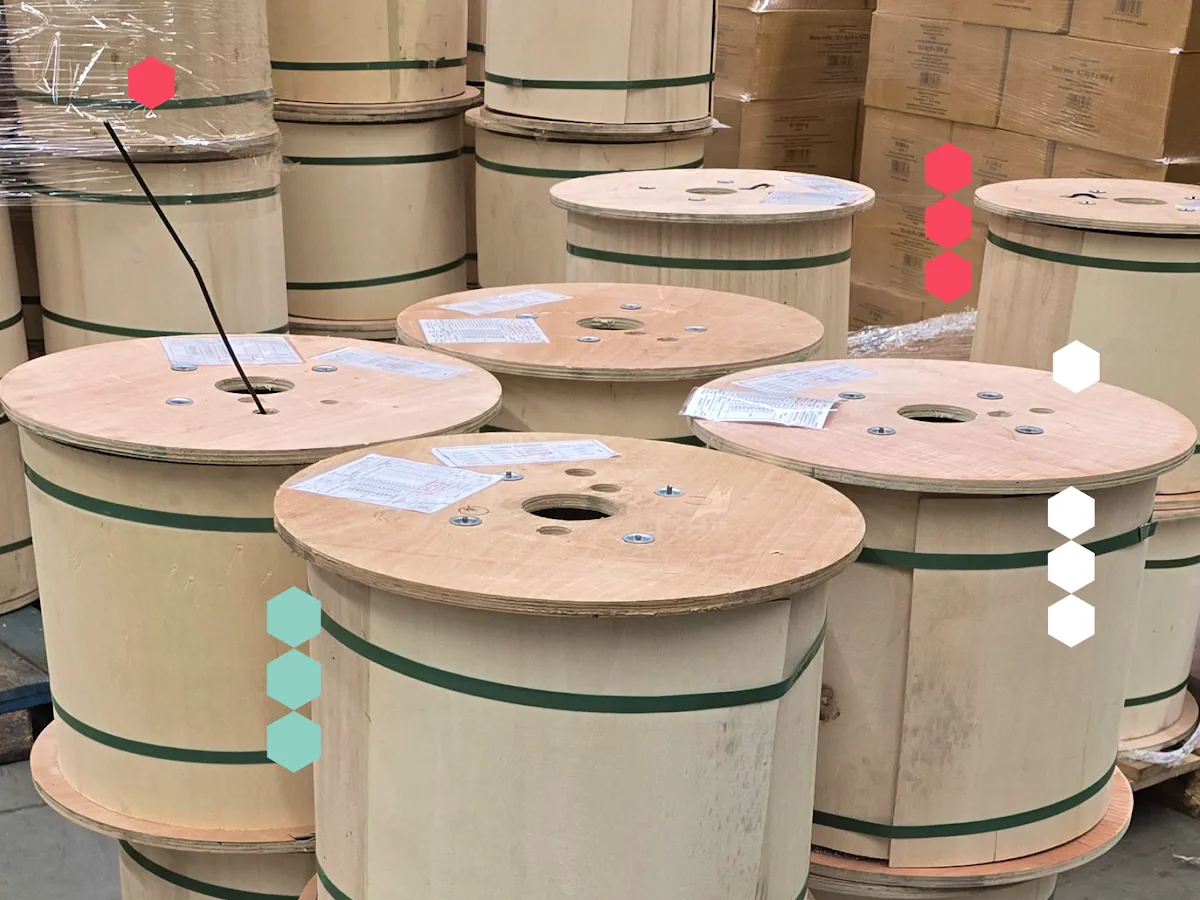
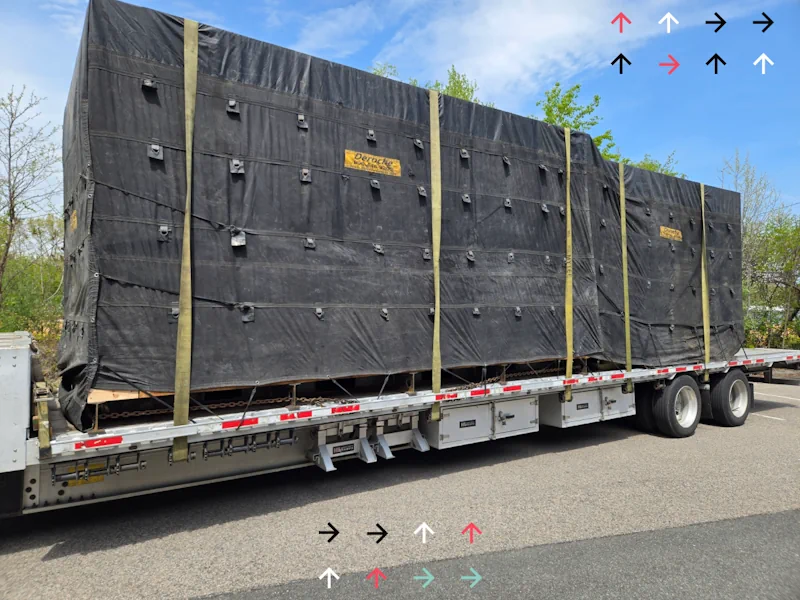
Transportation of Blow-Fill-Seal Machine
The Synex Logistics team handled full-cycle logistics for transporting an oversized BFS machine worth €2 million. The service included specialized transport, pickup, delivery to the Port of New York, sea freight to Poti, rail transport, and final delivery to Tashkent. The cargo was insured at every stage.
Transportation of Boats
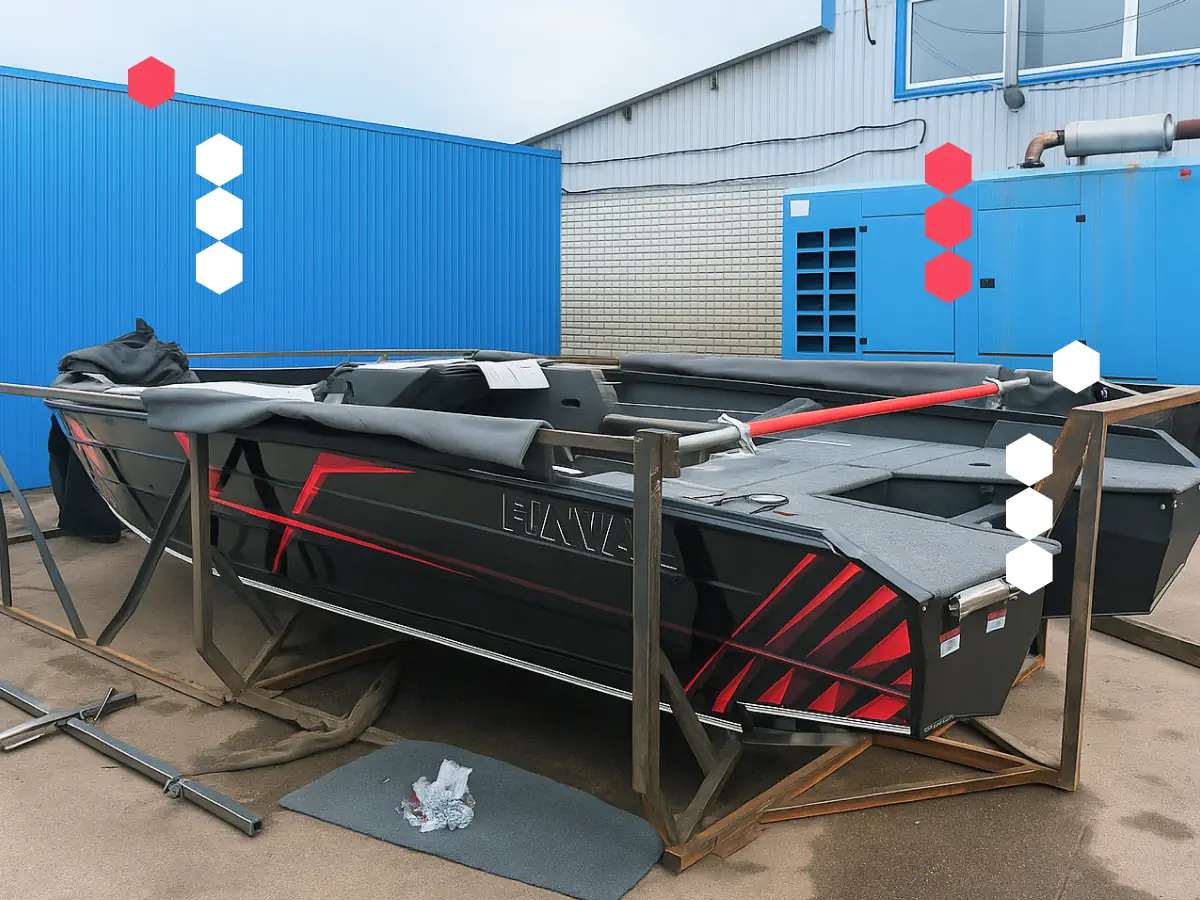
We arranged full-cycle logistics for transporting boats in a 45’ DRY containers. The service included pickup from the client’s warehouse, delivery to the Port of Gdańsk, sea freight to Chicago, customs clearance at arrival, and final delivery to the consignee in Jackson.
Transportation of Controlled Medications
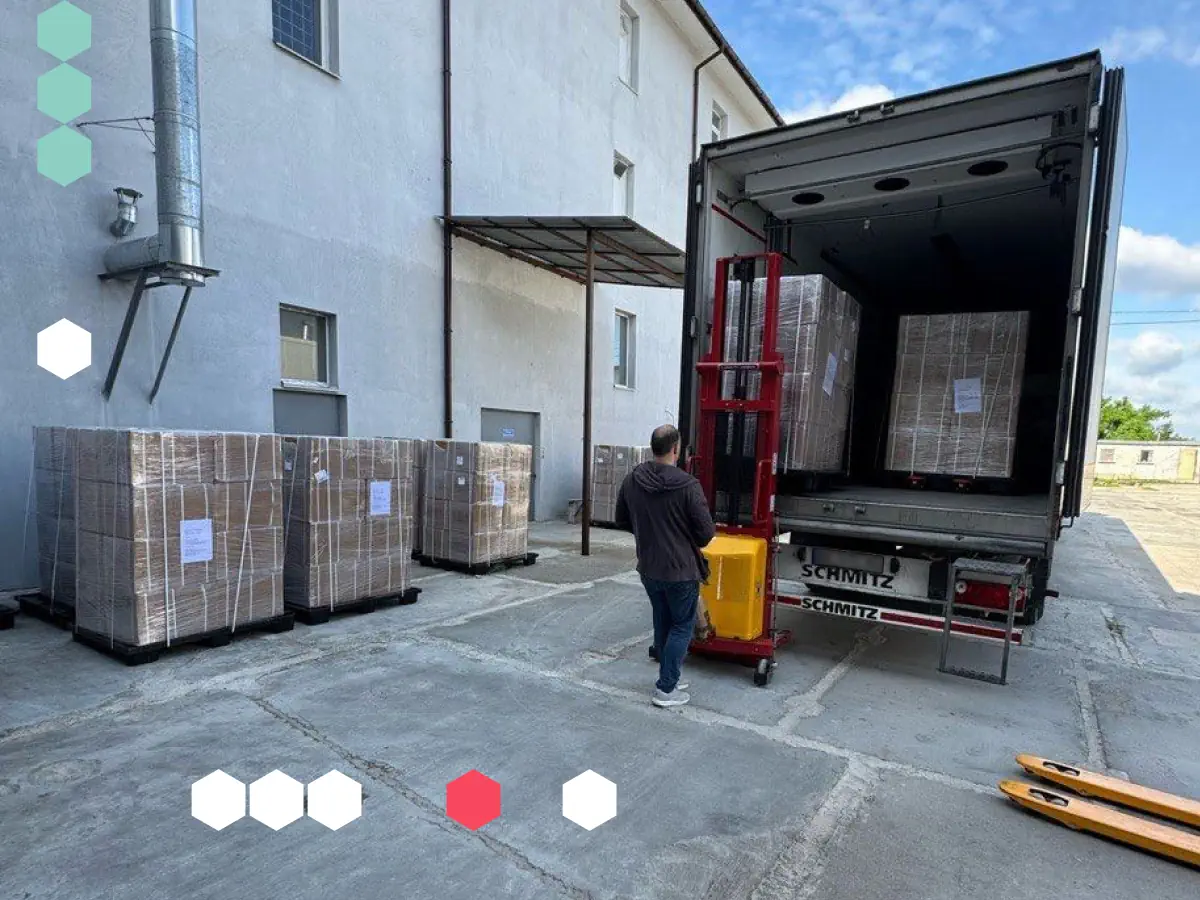
Synex Logistics ensured the safe and compliant delivery of nearly 5 tonnes of Class A controlled medical substances: tramadol, morphine, and diazepam. The multimodal route included air freight to Poland and road transport to Ukraine under official police escort.
Generator with an inverter (ADR class 9)
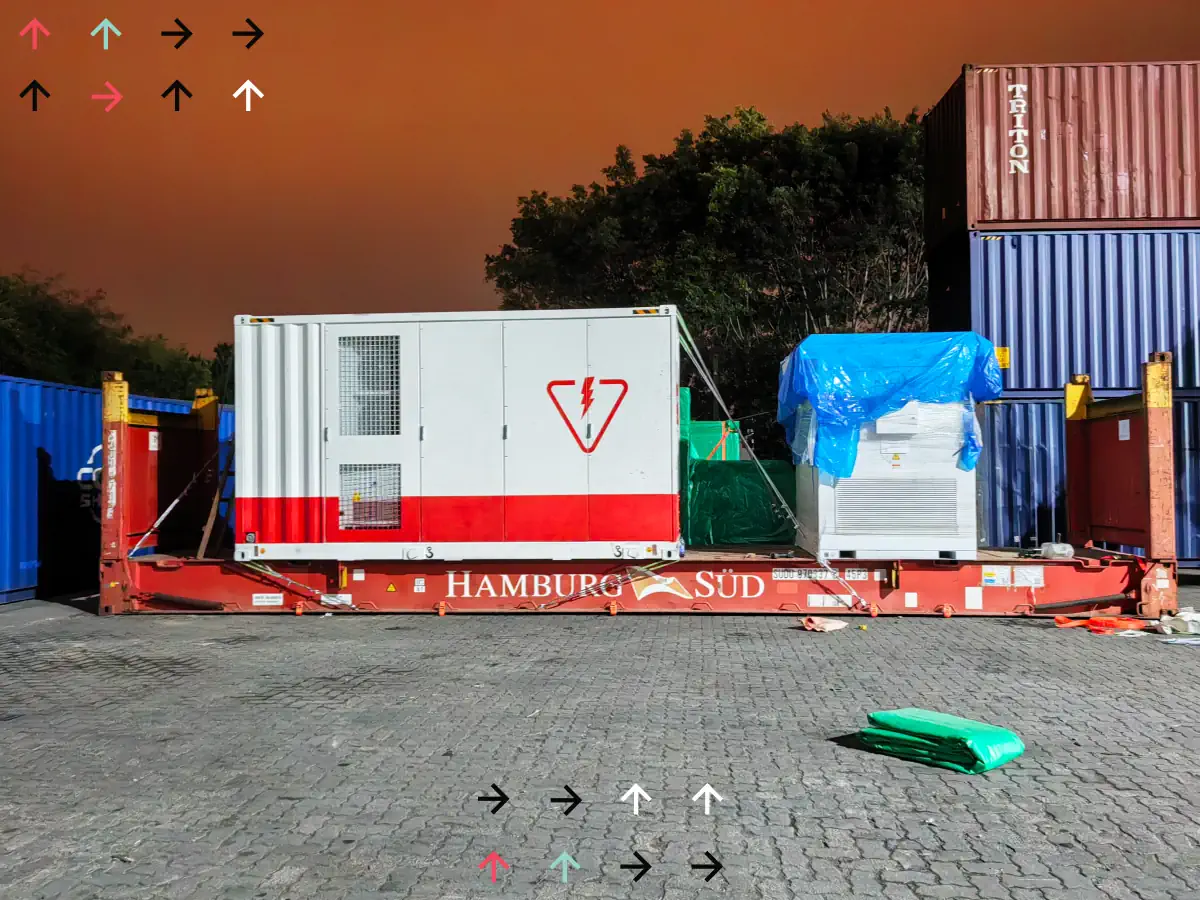
Organized the delivery of hazardous cargo — a generator weighing over 30 tons.
The transportation was carried out in a flat rack container from China to Ukraine, with repacking at the port of Romania.
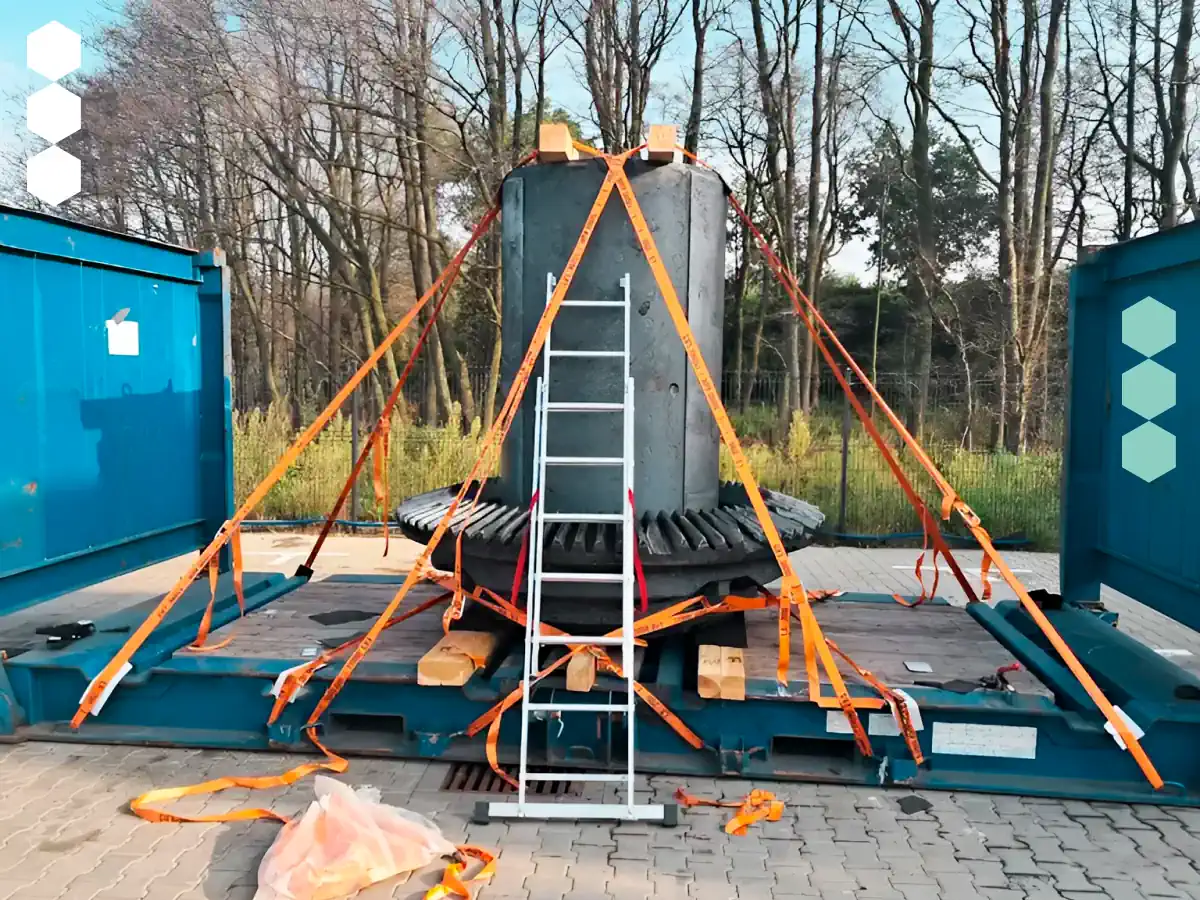
Export/import of part of an industrial machine
Arranged the transportation of an industrial machine component in need of repair. The part was sent from Ukraine to China, with subsequent delivery back to the customer in Ukraine.
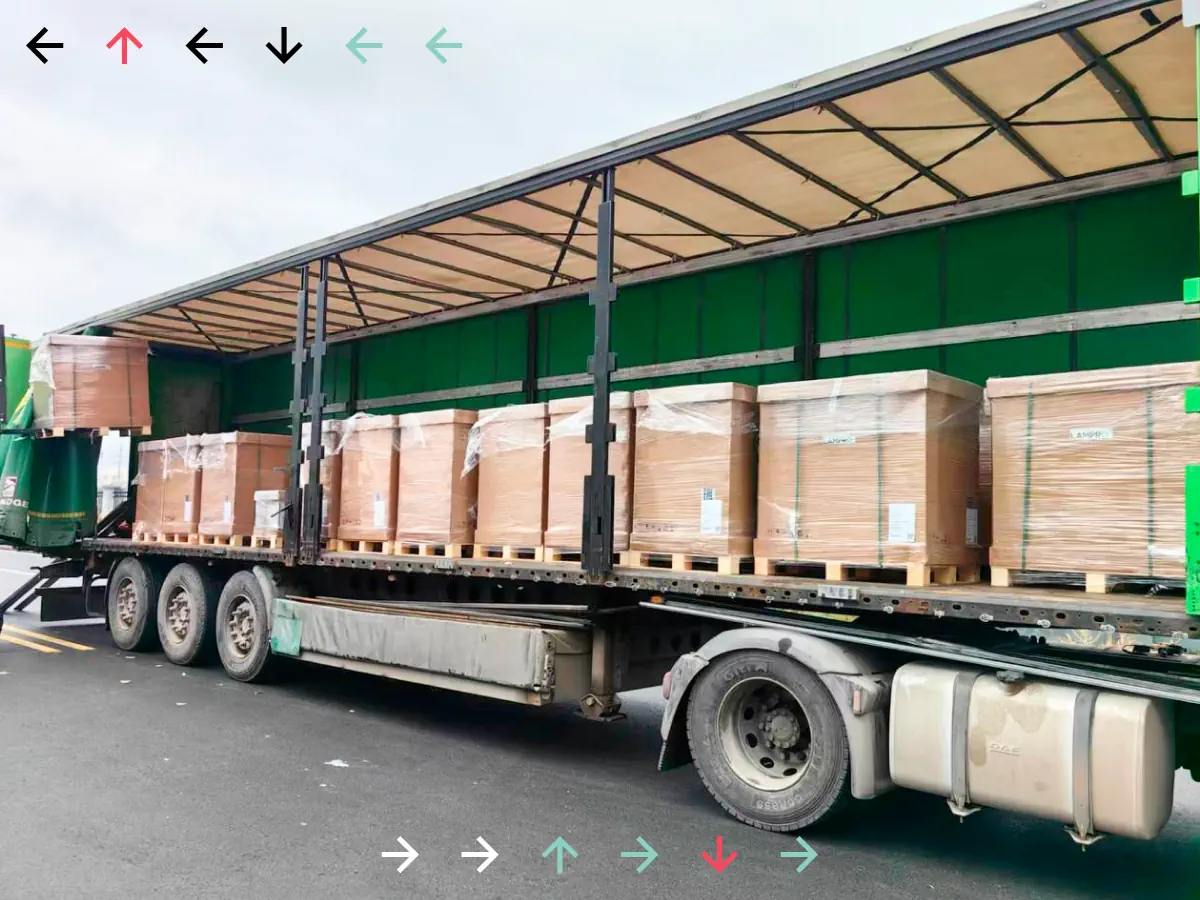
LED screens — Import in high season
Just a week before New Year’s, the SYNEX Logistics team organized the transportation of LED screens from Shenzhen (China) to Astana (Kazakhstan) in a record 10 days.
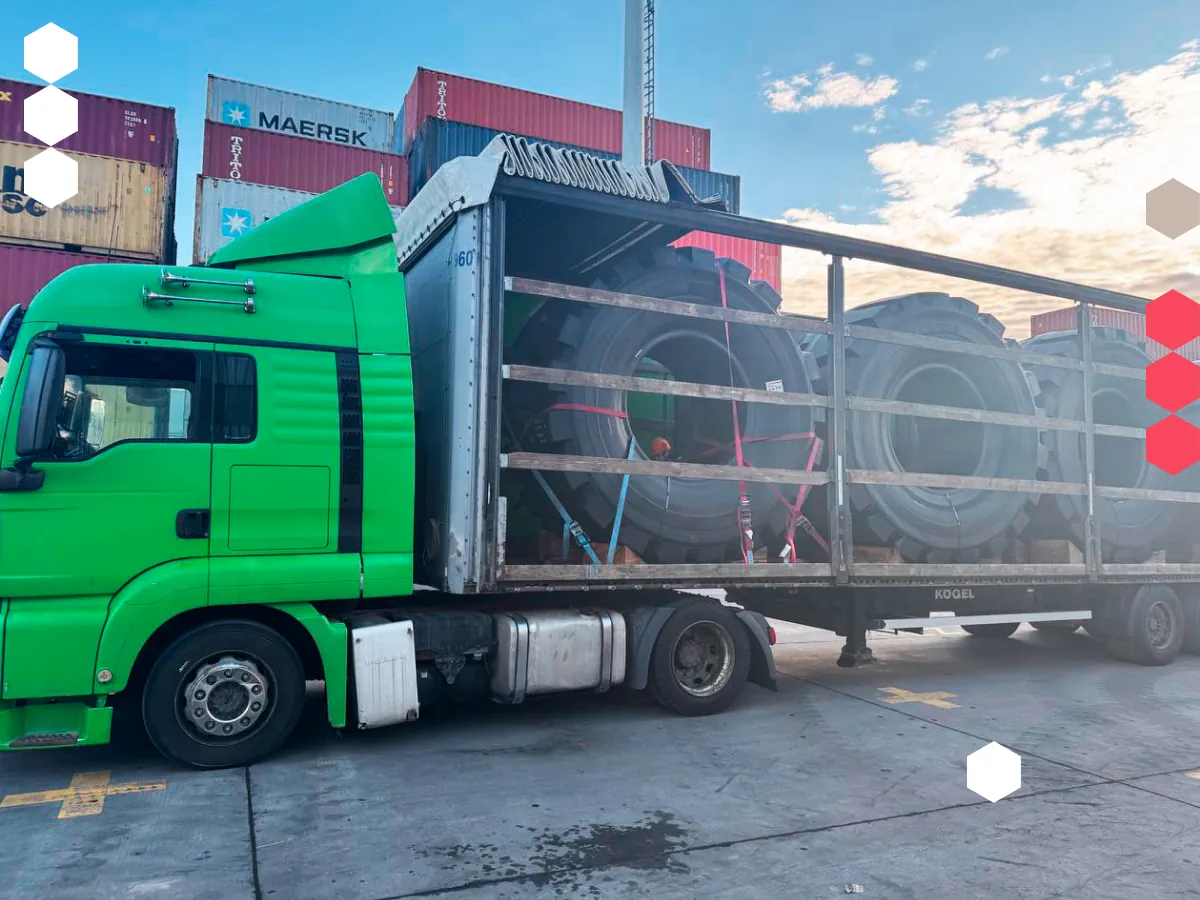
Tires for heavy equipment (OOG cargo)
Thanks to careful organization, the project of transporting tires for equipment used in stone quarries was executed efficiently and on time. The cargo was shipped from Japan in open-top containers, ensuring safe and efficient transportation. At the Port of Gdansk, the tires were transloaded onto specialized transport for final delivery to Ukraine.
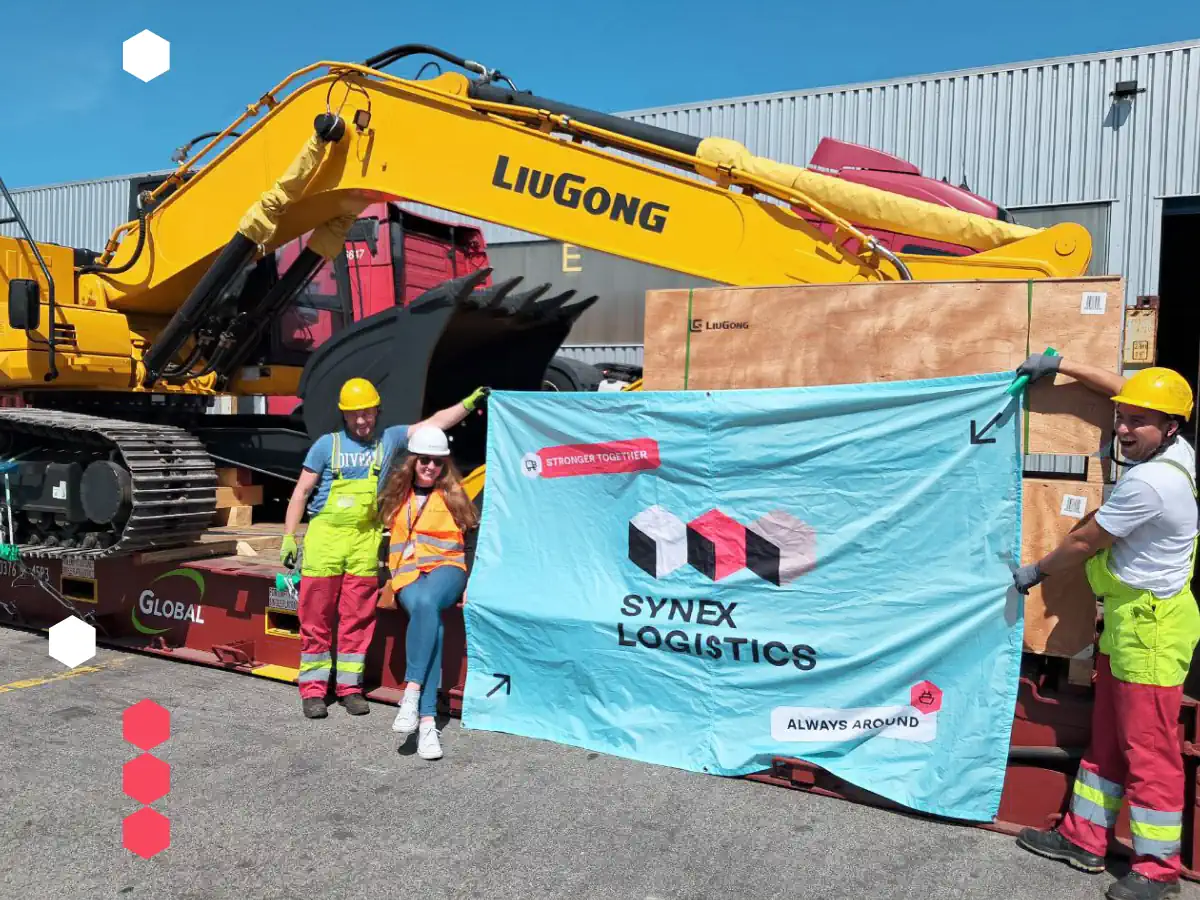
Transportation of construction equipment
We transported several batches of oversized cargo — cranes and excavators. The route included loading into flat rack containers in China, repacking at the Port of Gdynia (Poland), and subsequent transportation to Ukraine. All stages were carefully coordinated to ensure safe and timely delivery.
Contact SYNEX Logistics to organize safe and efficient export of your products and take full advantage of professional logistics.
Conclusions
Ukrainian products continue to be in demand on the global market thanks to the combination of production scale, competitive pricing, and the ability to quickly adapt to changing demand. The country demonstrates logistical flexibility, develops new routes, and diversifies product groups, creating additional opportunities for business. For companies aiming to expand exports or find stable sales channels, the experience of Ukrainian manufacturers and suppliers shows that efficient logistics organization and a strategic market approach can be the key to successful entry into the international arena.