How to deliver freight from China to Spain
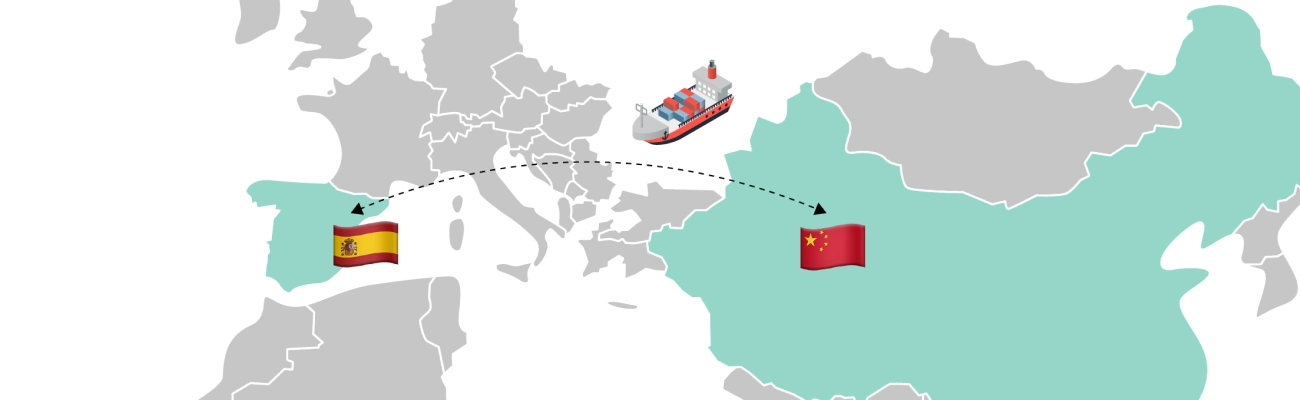
Trade between China and Spain is growing steadily, and more Spanish businesses are looking to China as a source for large-scale procurement. With global supply chains in flux, it is essential for importers to grasp how freight from China to Spain works in practice—covering the actual routes, transport options, and real-world decision points. This guide breaks down the current logistics landscape, examines all primary freight options from China to Spain, and explains how experienced providers structure the process from start to finish.
Logistics from China to Spain: current landscape
The logistics market linking China and Spain is driven by strong import demand and growing trade volumes, with Spain importing roughly €45 billion worth of goods from China in 2024, accounting for a significant share of its overall trade flows, while exports to China remain comparatively lower. This sustained demand fuels a diverse set of transportation solutions: maritime shipping remains the primary mode for bulk and containerised freight, supported by major Spanish ports handling large Asia-Europe volumes, and sea freight’s cost advantages for heavy, non-urgent cargo.
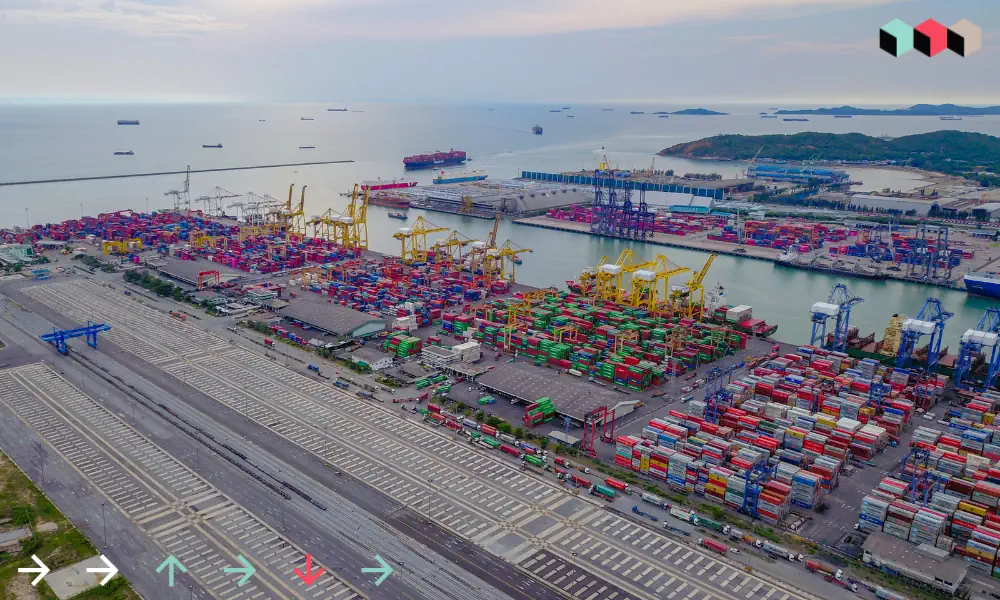
Main logistics hubs for container shipping from China to Europe
Strategic hubs are central to efficient container shipping from China to Europe. The most active Chinese ports for exports to Spain and the wider EU are:
Major Chinese exporting ports supporting container shipping from China to Europe include:
- Shanghai
- Shenzhen
- Ningbo-Zhoushan
- Qingdao
- Guangzhou
Each of these hubs plays a strategic role in facilitating efficient freight flows and providing a range of options for different shipping needs.
On the European side, goods destined for Spain often enter via:
- Port of Valencia (Spain’s largest container port)
- Port of Barcelona
- Port of Algeciras (gateway for southern Spain)
Freight may also transit through major northern European hubs, such as Rotterdam or Antwerp, before reaching Spain via feeder vessels or rail, using multimodal logistics solutions.
Freight options from China to Spain
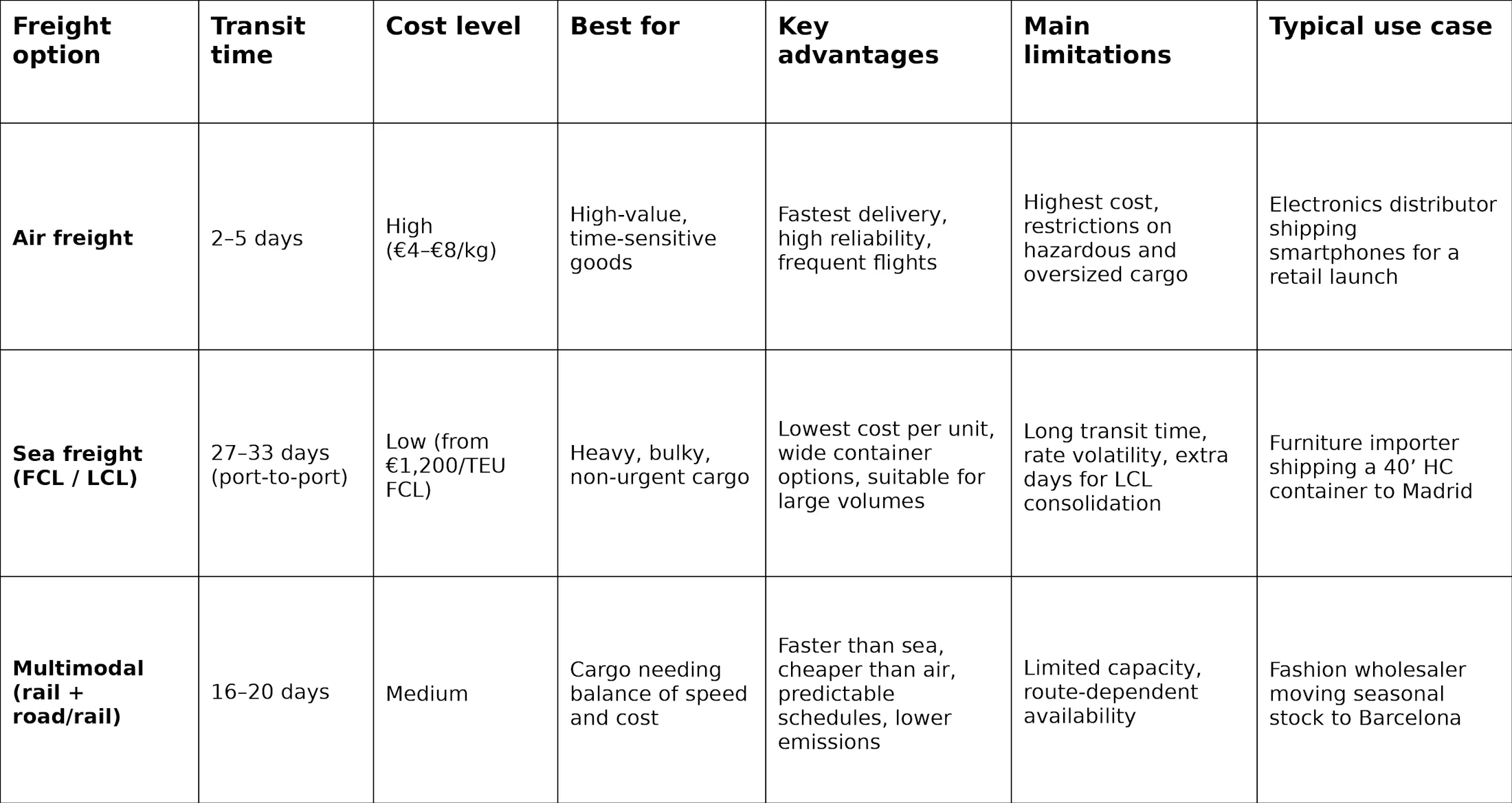
Selecting the best freight options from China to Spain depends on your shipment’s size, timelines, and cost targets. Here is a concise breakdown of the main logistics modes in use today:
Freight forward from China to Spain — step-by-step guide
Freight forwarding from China to Spain involves several clearly defined stages, each managed by logistics professionals with specialized expertise.
Cargo details and shipment planning
The process of organising freight from China to Spain begins with a logistics coordinator or account manager at the 3PL gathering comprehensive details about your shipment—type, dimensions, weight, and specific handling needs such as temperature control or hazardous materials. Simultaneously, documentation specialists prepare and review all necessary shipping documents, including commercial invoices, packing lists, and HS codes, to ensure compliance with international regulations. A logistics advisor then guides you through selecting Incoterms, such as FOB or CIF, clarifying which responsibilities fall to the shipper and which to the logistics provider. Every detail is managed professionally, eliminating uncertainty and paving the way for an efficient shipping process.

Transportation mode selection
Once the shipment profile is established, a transport planner assesses your cargo’s urgency, value, and volume, and then compares all available freight options from China to Spain. This includes air freight forwarding from China to Spain, maritime solutions, and multimodal container shipping from China. The planner provides a side-by-side comparison of estimated transit times, costs and risk considerations.
Pickup and export handling in China
On the ground in China, a local operations team coordinates directly with your supplier to arrange a timely pickup from the factory or export warehouse. Familiarity with local practices and the ability to bridge language and time zone barriers streamlines the initial stages of shipping a container from China. Licensed customs brokers or export agents manage export declarations, inspections, and compliance, ensuring your cargo meets all regulatory requirements and is ready for international shipment. When cargo is prepared, warehouse staff at consolidation centres sort LCL shipments and load FCL containers, under the supervision of experienced logistics managers.
International freight transportation
During international freight transportation, a dedicated global operations team closely monitors your shipment’s journey, using advanced tracking platforms and direct communication with carriers. Regular status updates are provided, so you remain informed about your cargo’s location and condition without having to coordinate with numerous international partners yourself.
Import customs clearance in Spain
When your shipment reaches Spain, experienced customs brokers at the 3PL handle all aspects of import customs clearance, preparing and submitting import declarations (DUA) in strict accordance with Spanish and EU regulations. They accurately calculate duties, VAT, and other applicable charges, providing transparent container costs from China and helping you plan your budget effectively. Meanwhile, compliance specialists review your goods for adherence to critical standards, such as CE marking and REACH, which helps ensure smooth entry and reduces the risk of your container shipping from China facing unexpected delays at customs.
Cargo unloading and terminal handling
Upon arrival at the port or airport in Spain, ground handling teams supervise the unloading of each shipping container from China, meticulously checking for damage or discrepancies to ensure every item is accounted for. Any issues are promptly documented and reported, so they can be resolved quickly, even if you are not present. For LCL shipments, warehouse teams efficiently deconsolidate the cargo, sorting and preparing goods for last-mile delivery.
Inland delivery within Spain
After customs clearance, a domestic transport team coordinates the final delivery phase, carefully selecting the most efficient mix of road, rail, or multimodal routes to match your needs. They work closely with local carriers and provide real-time tracking and status updates, allowing you to monitor container shipping from China to Europe right up to its arrival. This approach ensures that freight from China to Spain is not only delivered on time but also managed in a way that supports your inventory planning and minimizes potential delays.
Documentation closure and shipment confirmation
At the conclusion of the shipping process, the administrative staff handle documentation closure and shipment confirmation. They collect and distribute proof of delivery (POD), customs clearance records, and final invoices, ensuring all paperwork is accurate and securely archived. This thorough approach, standard in air freight forwarding from China to Spain as well as container shipping, supports compliance and audit requirements, freeing you from document management and letting you focus on your core business.
How SYNEX Logistics set up logistics from China to Spain
SYNEX Logistics works with the China–Spain supply chain in a practical, hands-on way. The focus is on solving real operational issues, keeping direct contact with the people responsible for each shipment, and using technology to reduce uncertainty—without hiding behind broad promises or abstract claims. Instead of standard dashboards or one-size-fits-all portals, clients receive information shaped around their cargo, industry, and delivery priorities, so Spanish importers are not overwhelmed with data that has no real value for their business.
Teams on the ground in China and Spain are closely involved in daily operations and have the authority to adjust processes when conditions change. Their decisions are based on experience with ports, customs procedures, and transport constraints, not assumptions. This setup makes it easier to handle shifts in container shipping rates from China to Europe or necessary route changes without disrupting the client’s plans. Clear, straightforward communication remains a priority, giving clients a realistic understanding of how their freight from China to Spain is progressing—without vague updates or empty reassurances. Contact SYNEX Logistics for effective outsourcing of logistics tasks of any complexity.

CASE STUDIES
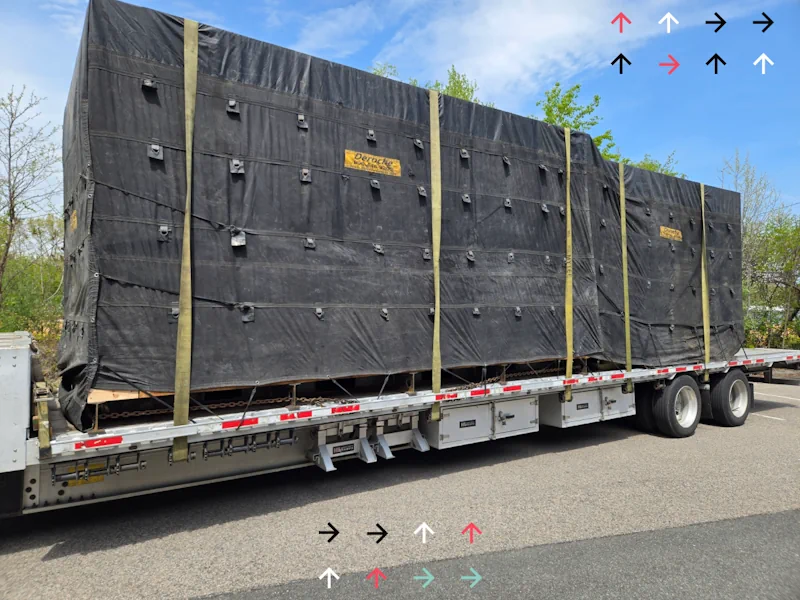
Transportation of Blow-Fill-Seal Machine
The Synex Logistics team handled full-cycle logistics for transporting an oversized BFS machine worth €2 million. The service included specialized transport, pickup, delivery to the Port of New York, sea freight to Poti, rail transport, and final delivery to Tashkent. The cargo was insured at every stage.
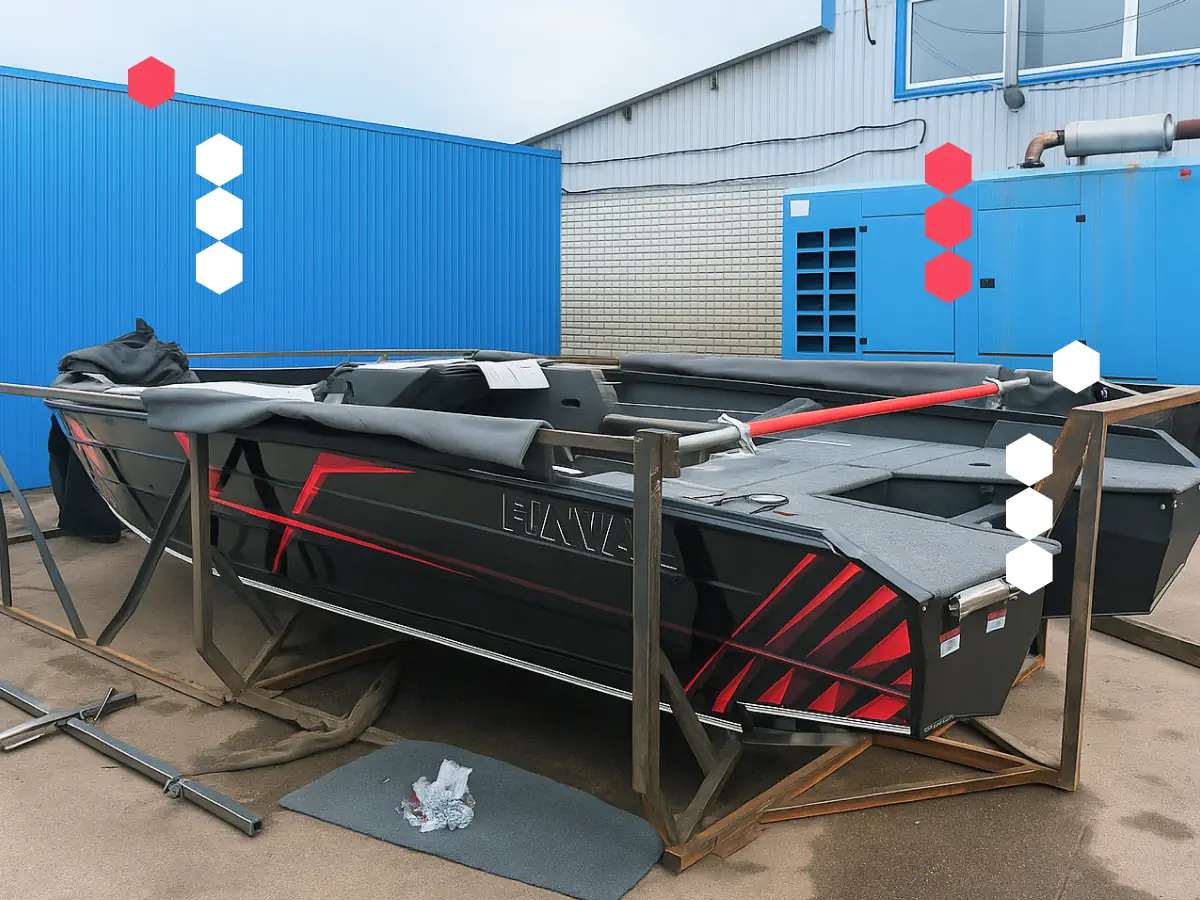
Transportation of Boats
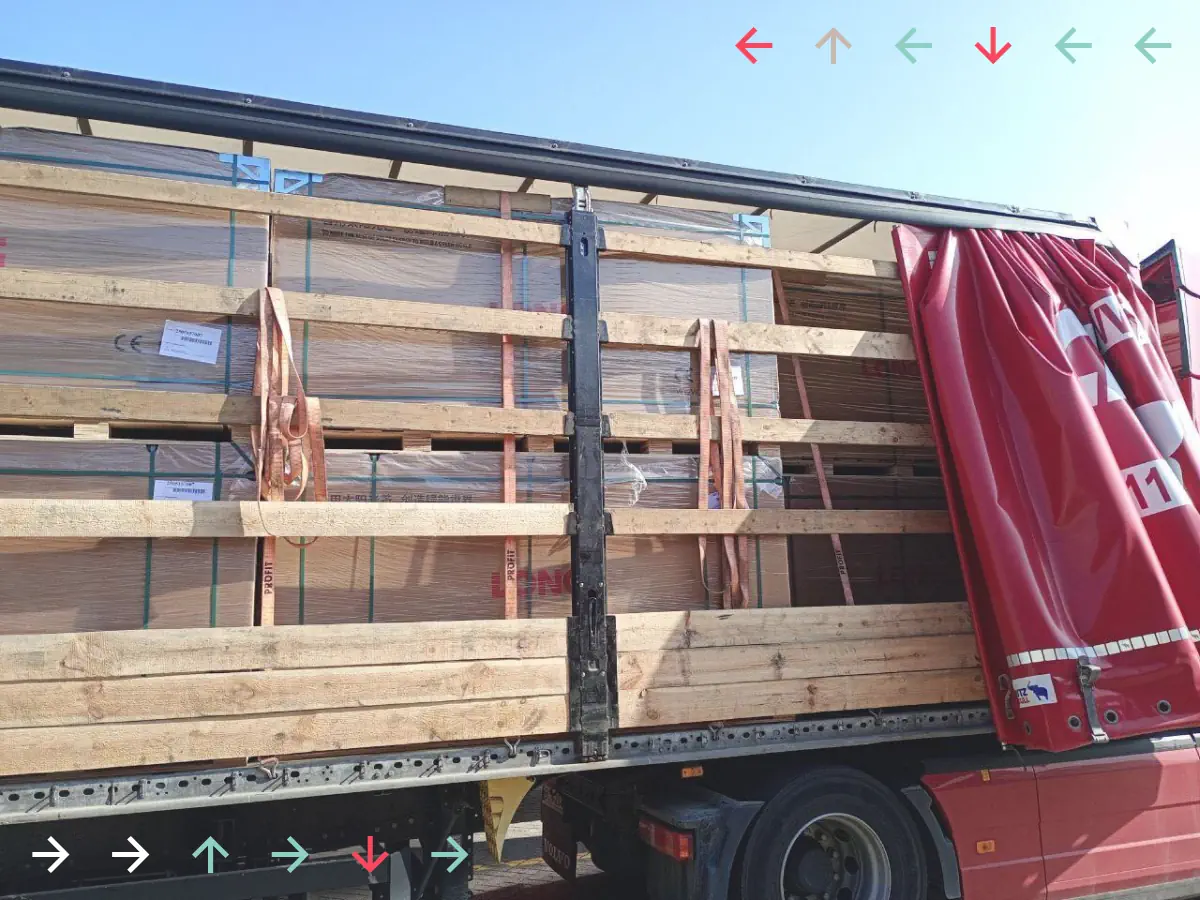
We arranged full-cycle logistics for transporting boats in a 45’ DRY containers. The service included pickup from the client’s warehouse, delivery to the Port of Gdańsk, sea freight to Chicago, customs clearance at arrival, and final delivery to the consignee in Jackson.
Transportation of Controlled Medications
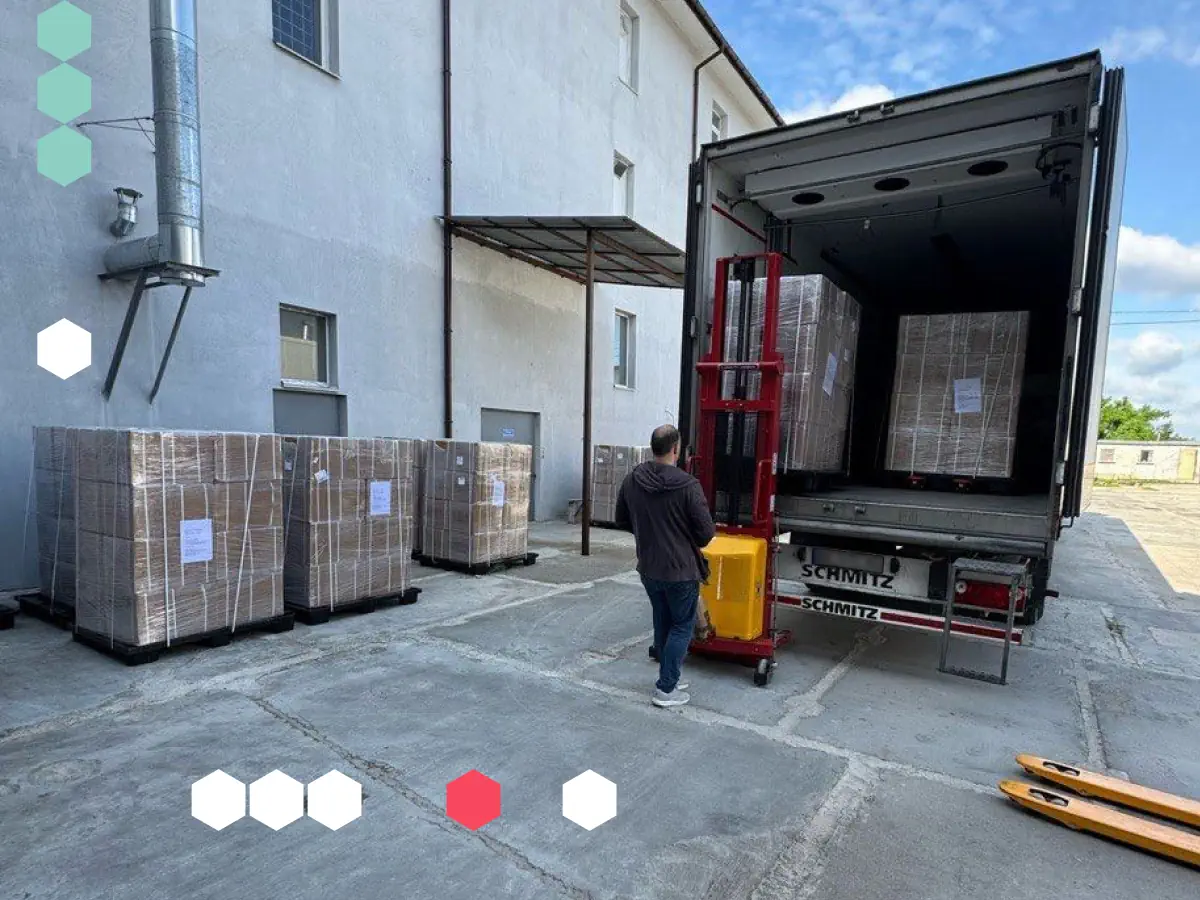
Synex Logistics ensured the safe and compliant delivery of nearly 5 tonnes of Class A controlled medical substances: tramadol, morphine, and diazepam. The multimodal route included air freight to Poland and road transport to Ukraine under official police escort.
Generator with an inverter (ADR class 9)
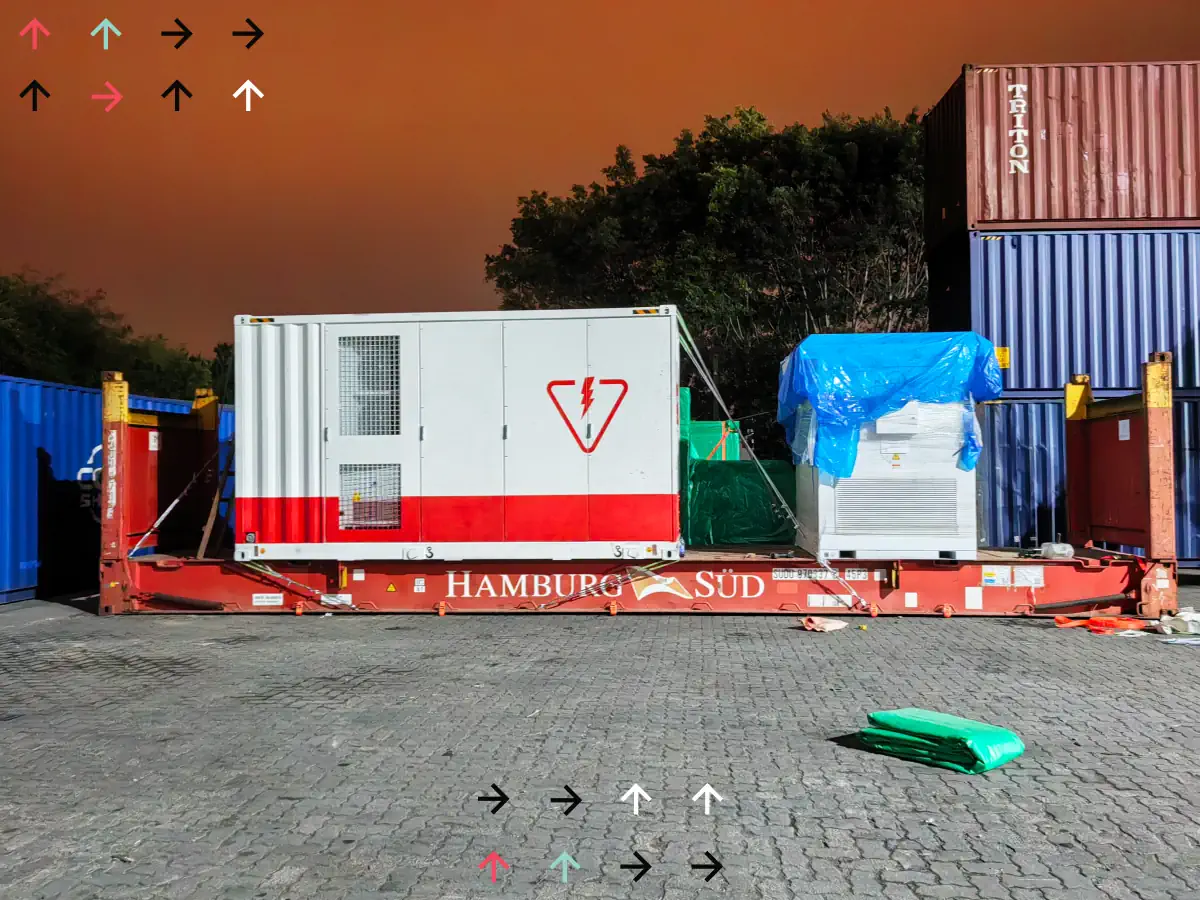
Organized the delivery of hazardous cargo — a generator weighing over 30 tons.
The transportation was carried out in a flat rack container from China to Ukraine, with repacking at the port of Romania.
Export/import of part of an industrial machine
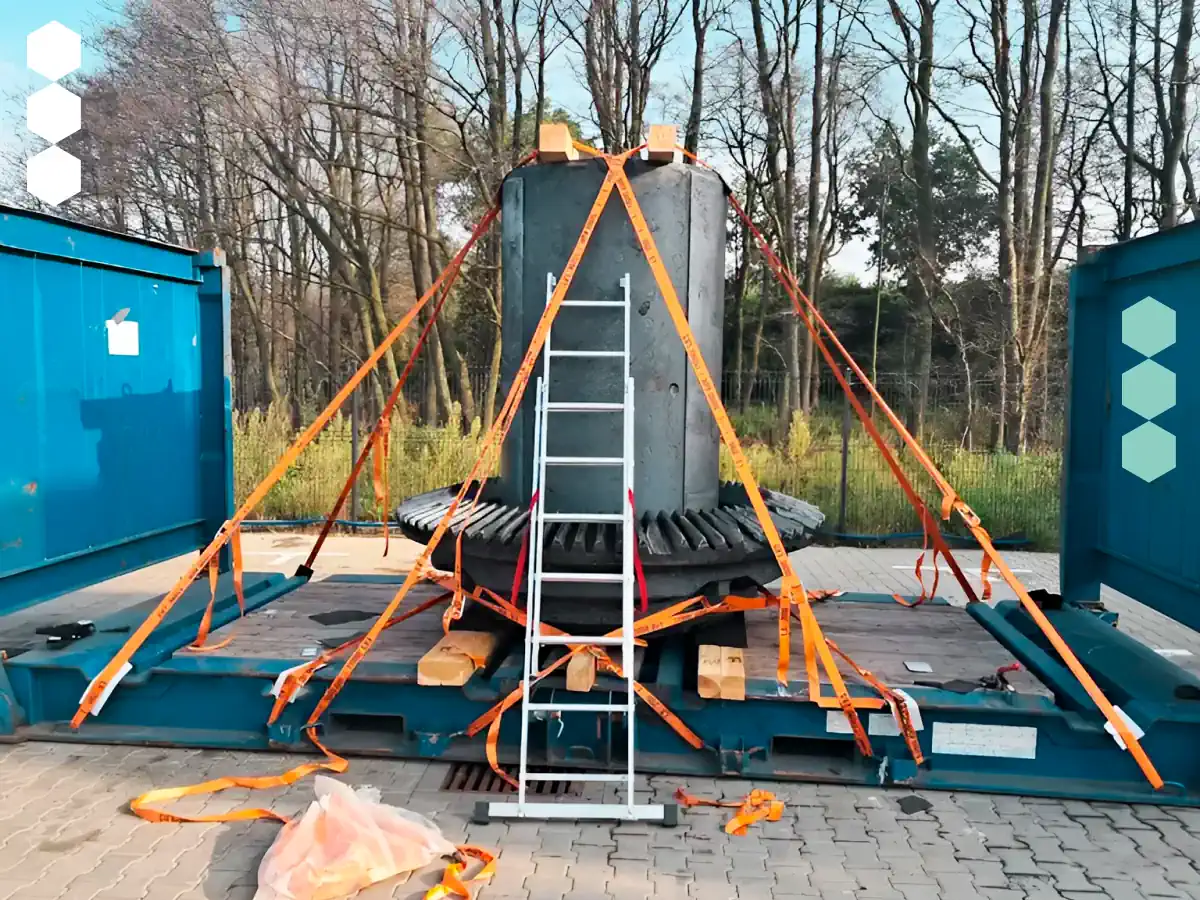
Arranged the transportation of an industrial machine component in need of repair. The part was sent from Ukraine to China, with subsequent delivery back to the customer in Ukraine.
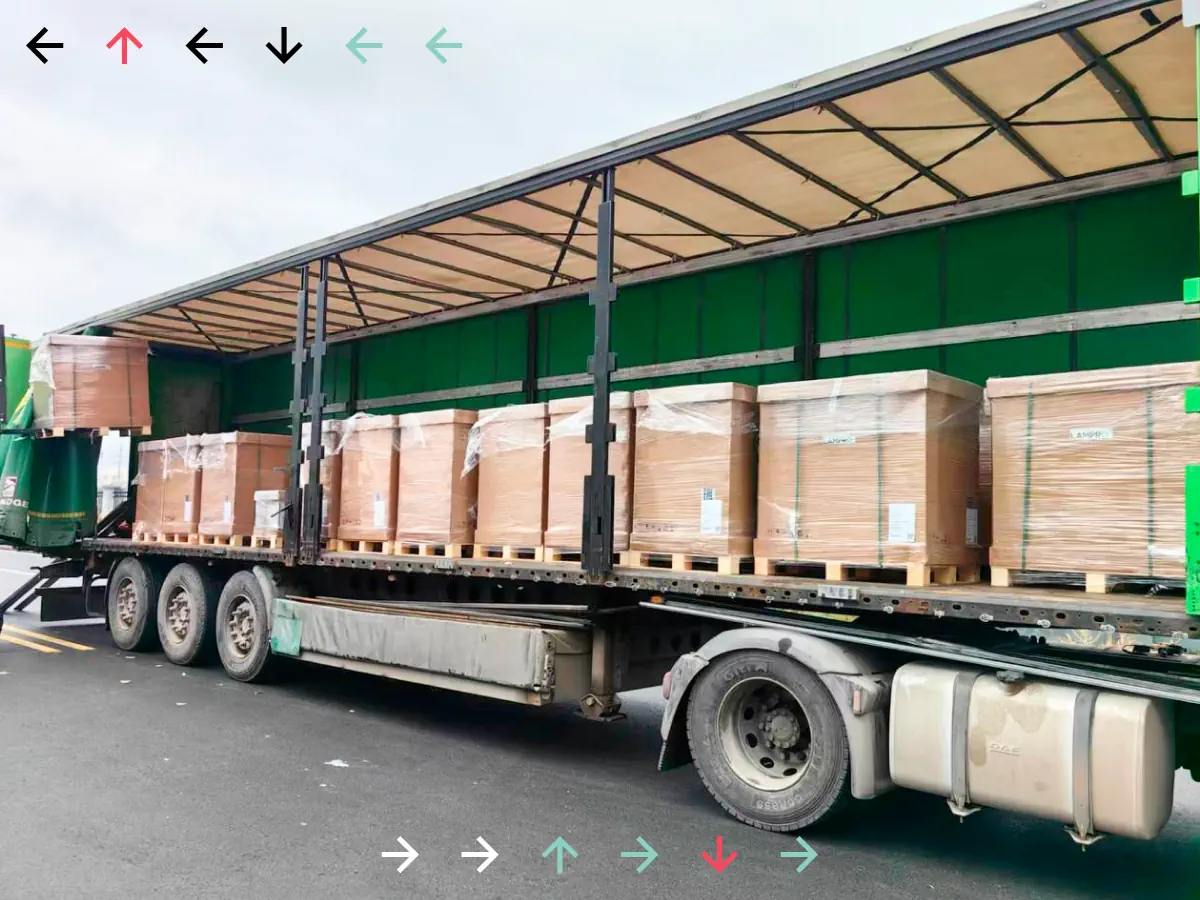
LED screens — Import in high season
Just a week before New Year’s, the SYNEX Logistics team organized the transportation of LED screens from Shenzhen (China) to Astana (Kazakhstan) in a record 10 days.
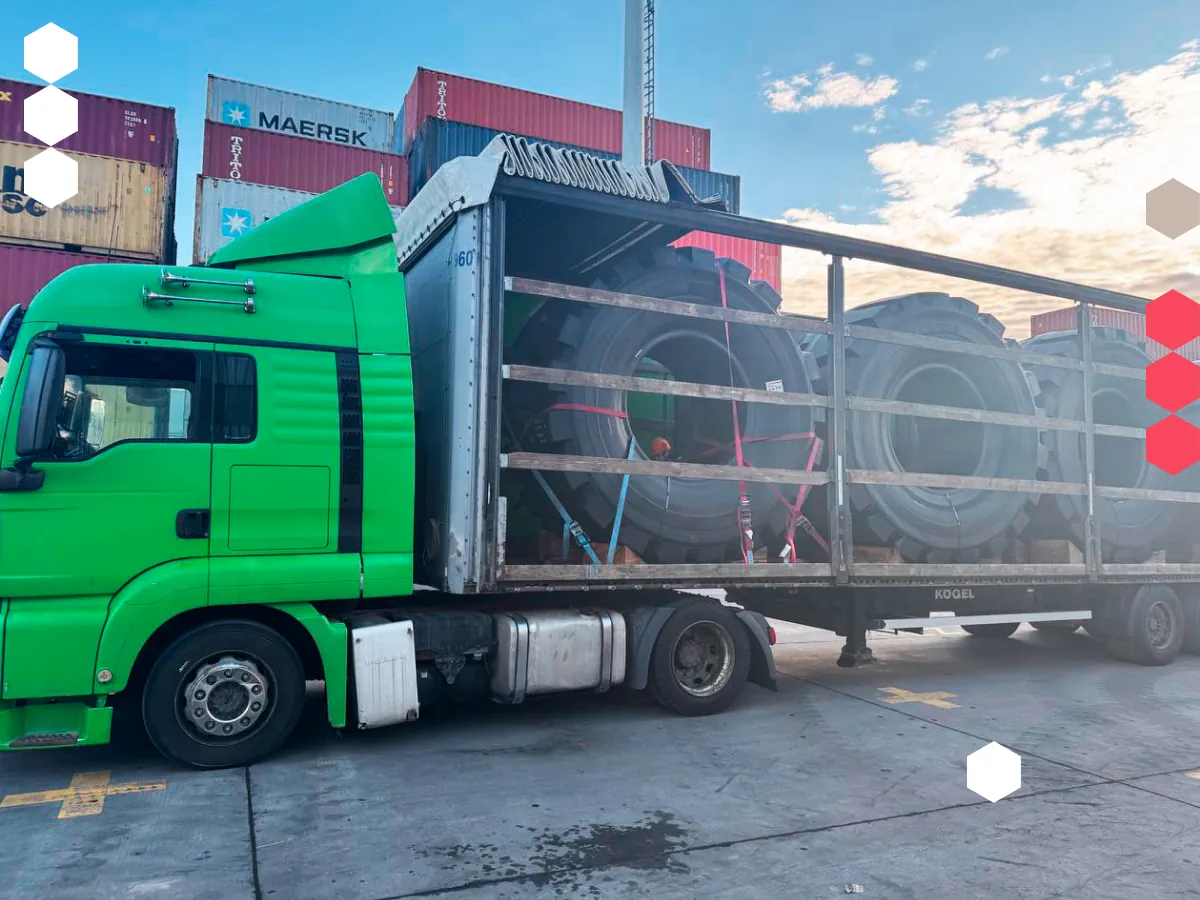
Tires for heavy equipment (OOG cargo)
Thanks to careful organization, the project of transporting tires for equipment used in stone quarries was executed efficiently and on time. The cargo was shipped from Japan in open-top containers, ensuring safe and efficient transportation. At the Port of Gdansk, the tires were transloaded onto specialized transport for final delivery to Ukraine.
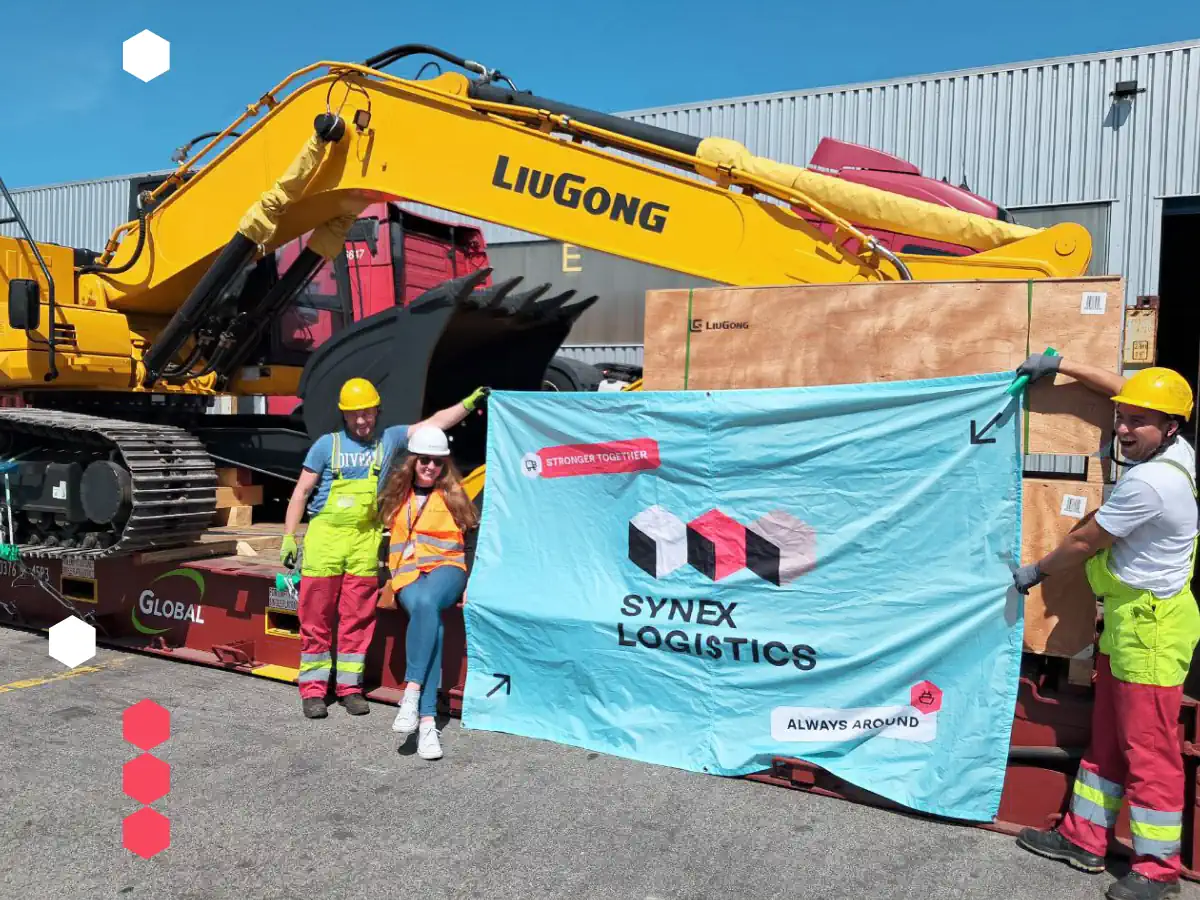
Transportation of construction equipment
We transported several batches of oversized cargo — cranes and excavators. The route included loading into flat rack containers in China, repacking at the Port of Gdynia (Poland), and subsequent transportation to Ukraine. All stages were carefully coordinated to ensure safe and timely delivery.
Conclusions
The organization of freight forwarding from China to Spain demands a clear grasp of every decision point, from transport mode and rates to customs and final delivery. Spanish importers who understand the current logistics environment are better positioned to choose partners, compare container shipping rates from China, and avoid costly mistakes. Relying on an experienced logistics provider ensures that each stage—from initial export to last-mile delivery—is handled with care, transparency, and expertise. The result is a supply chain that adapts to your needs and supports your business growth.